Tripura exports its first one-tonne shipment of mustard honey to Dubai
India’s Tripura has exported its first shipment of mustard honey to Dubai, with the consignment weighing 1 metric tonne. The Ministry of Commerce and Industry said the shipment could open new international market opportunities for local beekeepers.
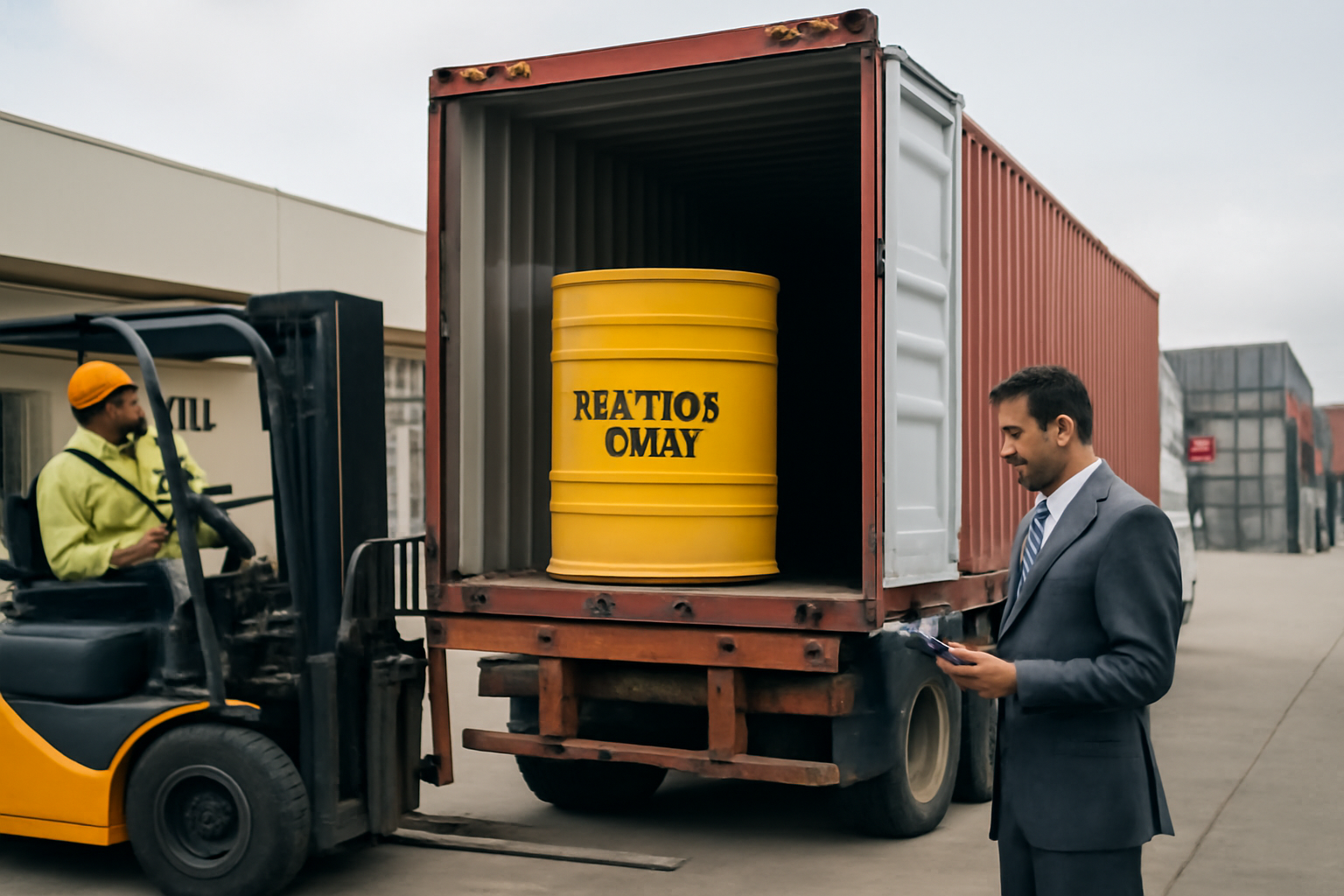
First consignment reaches an overseas market
India’s northeastern state of Tripura has dispatched its first export shipment of mustard honey to Dubai. The consignment weighed 1 metric tonne, marking the state’s initial overseas shipment of this product to the United Arab Emirates market.
The Ministry of Commerce and Industry said the transaction would create new international market opportunities for local beekeepers. The shipment gives Tripura’s honey producers a commercial reference in Dubai, although no information was provided about the buyer, contract value, selling price or arrangements for subsequent deliveries.
A market test for Tripura’s beekeepers
At 1 metric tonne, the first consignment is limited in scale. Its significance lies primarily in establishing a route to an international buyer and demonstrating that mustard honey produced in Tripura can enter a foreign market. Whether the shipment develops into recurring business will depend on additional orders and the ability of suppliers to deliver consistent volumes and product specifications.
For local beekeepers, access to an overseas customer can broaden the potential sales base beyond the domestic market. It may also encourage aggregation, since individual producers may need to combine output to fulfil export consignments. The available source material does not identify the beekeeper groups, processor, packer or exporter involved, and it gives no production figures for Tripura’s honey sector.
Commercial execution will determine the next stage
The first shipment does not by itself establish a sustained export flow. Producers and traders will be watching for evidence of repeat demand, larger consignments and participation by additional buyers. Pricing will also matter, but neither the export price nor comparable domestic prices were disclosed.
Product consistency is particularly relevant when a small producing region enters a distant market. Exporters need repeatable supply if an initial order is to become a stable commercial programme. In this case, the 1-metric-tonne shipment provides an opening, while the volume and timing of any follow-up trade remain unknown.
The destination also gives Tripura’s suppliers a foothold outside India. Dubai can now be counted as a tested destination for the state’s mustard honey, but the source material does not indicate whether the product will be sold directly to consumers, used by food businesses or distributed onward through wholesale channels.
New opportunity, with results still to be measured
The Ministry of Commerce and Industry presented the shipment as an opportunity for local beekeepers to reach new international markets. The immediate measurable result is one completed export consignment of 1 metric tonne. Broader effects on beekeeper income, honey production or processing capacity cannot yet be assessed from the information released.
The next commercial indicators will be repeat orders, shipment size and the number of producers able to participate. Until those emerge, the delivery should be viewed as an initial market entry rather than an established trade corridor. For Tripura’s honey industry, however, it provides the first practical test of demand for its mustard honey in Dubai.