Transavia to invest €150 million in major Romanian pet-food plant
Romanian poultry producer Transavia is investing 763 million lei, or about €150 million, in a pet-food factory in Ciugud, Alba county. The plant will make dry and wet food for dogs and cats, with enough capacity to feed more than 11 million animals annually.
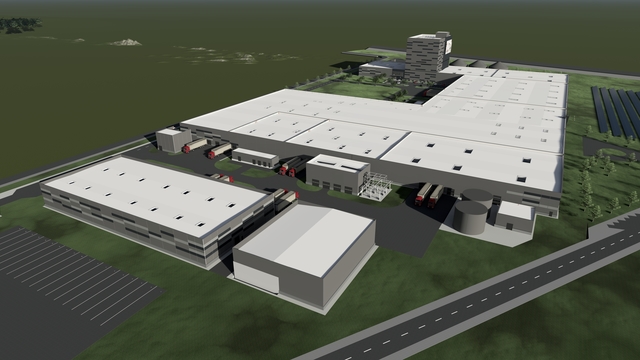
Transavia enters pet-food manufacturing
Transavia, Romania’s largest poultry producer, has allocated 763 million lei, equivalent to about €150 million, to build a pet-food factory from the ground up in Ciugud, Alba county. Profit.ro reported that the project will become Romania’s largest pet-food production unit and one of the most modern facilities of its kind in Europe.
The company said the investment is a record both for Transavia and for Romania’s food industry. It will be financed entirely from Transavia’s own funds through the reinvestment of company profits, without disclosed external financing.
The factory will produce a complete range of dry and wet food for dogs and cats. Transavia said the products will use scientific formulations and fresh ingredients, while the new operation will create synergies with its established poultry business. Its planned capacity will be sufficient to feed more than 11 million dogs and cats each year, although the company has not disclosed output in tonnes or an opening date.
Local market remains heavily supplied from abroad
The investment gives Transavia a domestic growth opportunity in a Romanian pet-food market valued at approximately €1 billion in 2024, according to Euromonitor data cited by the company and Profit.ro. The market expanded by 9.7% from 2023. Dog food accounted for 63% of its value, while cat food represented the remaining 37%.
Domestic manufacturing has a limited position on modern retail shelves. Transavia said products originating in Romania represent less than 3% of the pet food sold through that channel. The disparity between a €1 billion market and the small share held by locally made products indicates substantial room for import substitution, provided Romanian manufacturers can meet retailers’ requirements for quality, volume and consistency.
Transavia had signalled its move into the sector before announcing the plant. Profit.ro reported in February 2024 that the company had registered five trademarks with Romania’s State Office for Inventions and Trademarks. The registrations indicated plans to sell pet food, dietary supplements, toys and accessories including collars, leashes, cushions and bedding.
European ambitions backed by poultry operations
The company is already active in almost 30 foreign markets and aims to become a leading European pet-food supplier and enter the top 10 international producers. Its existing industrial base includes annual poultry-meat production of about 120,000 tonnes, more than 30 poultry farms, four crop farms, three slaughterhouses, a compound-feed factory and a meat-processing plant. That footprint can provide operational experience and raw-material links for the new division.
Transavia reported 2024 revenue of 1.12 billion lei, up 10% from 2023, while net profit increased by 33% to 277.3 million lei. The company expects investments in its poultry and pet-food divisions to raise EBITA from more than €100 million currently to approximately €250 million within two to three years after the new factory becomes operational and sales begin. The scale of the Ciugud project therefore makes pet food a major second business line rather than a limited extension of Transavia’s poultry portfolio.