Traders Test Mongolia-Russia-India Route With 11,000–12,000 Tonnes of Coking Coal
Eurasia Energies is preparing a trial shipment of 11,000–12,000 tonnes of Mongolian coking coal to India through Russia’s Far East. The route could diversify supply, but congested rail infrastructure and high transit costs constrain its potential to scale.
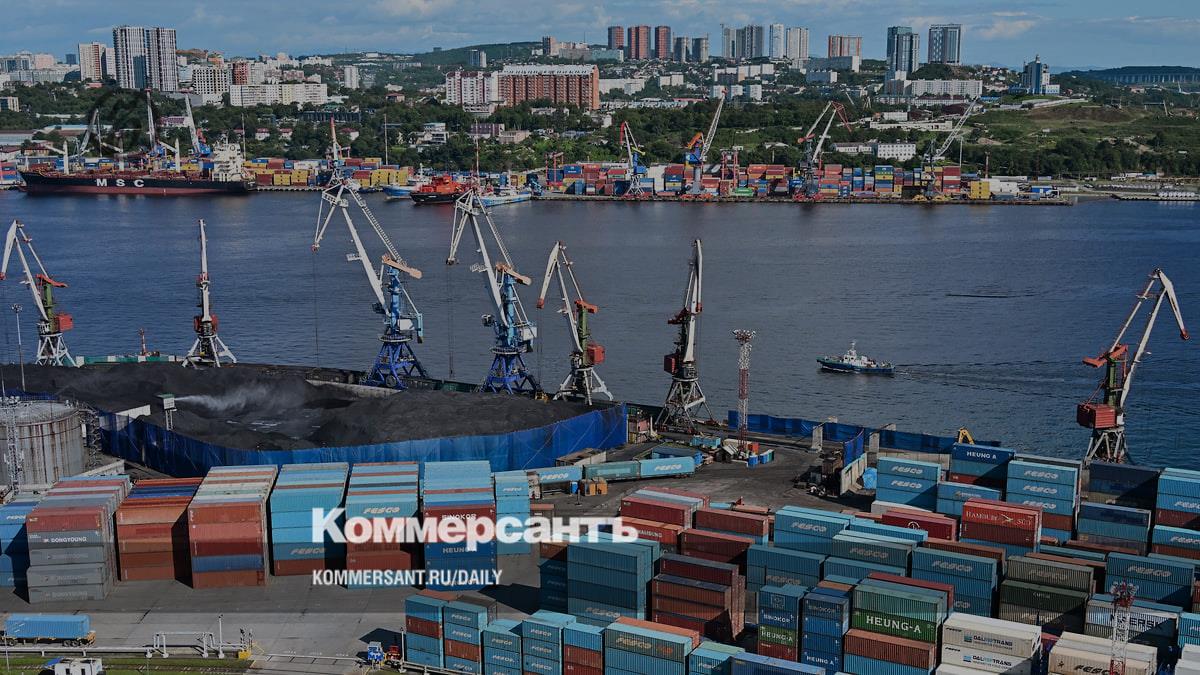
A trial corridor through Russia
Eurasia Energies Pvt Ltd is preparing a trial shipment of 11,000–12,000 tonnes of Mongolian coking coal to India through Russia’s Far Eastern ports, Kommersant reported, citing materials from commodity market information provider BigMint. The shipment is intended to test whether a Mongolia–Russia–India logistics corridor can provide a workable alternative route for supplying Indian steelmakers.
The coal is already undergoing a technical assessment at an Indian steel plant. On 2 September, Eurasia Energies formally asked the Mongolian embassy in New Delhi to help coordinate the pilot shipment with the relevant railway and transport authorities in Mongolia and Russia, according to the BigMint materials cited by Kommersant.
Under the proposed plan, the cargo would travel by rail across Russia and be loaded at either Vladivostok or Vostochny Port in Nakhodka before continuing to India by sea. Kommersant said coal terminals at the two ports either did not respond or reported that they had not been approached about the shipment.
Rail congestion limits prospects for scale
The route may be theoretically viable because coking coal’s relatively high underlying value could absorb expensive transit costs, Oleg Emelchenkov, junior director for corporate ratings at Expert RA, told Kommersant. The central obstacle is capacity on Russia’s Eastern railway network, comprising the Baikal-Amur Mainline and the Trans-Siberian Railway. This system is already operating near its freight limit as Russian cargo flows have shifted toward Asia.
Russian Railways said the proposal requires further study because of the Eastern network’s heavy utilization. Alexander Kotov, consulting partner at NEFT Research, viewed the pilot primarily as an attempt to diversify supply and reduce logistics risks rather than a route offering immediate commercial gains. He said large-scale volumes were unlikely in the next few years because of tight capacity on the two main lines.
Any allocation of scarce eastbound railway capacity to Mongolian transit cargo would also affect Russian miners. Producers in Kuzbass must move coal over long inland distances to reach Pacific ports. If Mongolian volumes eventually rise into the millions of tonnes, the new supplier could compete with Russian coal for both infrastructure access and Indian customers.
Small cargo enters a growing Indian market
The test lot represents less than 0.02% of India’s coking coal imports, which reached a record 66.3 million tonnes in the 2025/26 financial year, according to India’s coal ministry figures cited by Kommersant. Russia held an estimated share of about 15% of Indian imports at the end of 2025.
BigMint calculated that Russian coal exports to India reached 3.62 million tonnes in July 2026, including 1.8 million tonnes of coking coal. The total was almost 2.9 times the level recorded a year earlier. Freedom Global analyst Vladimir Chernov said the Mongolian shipment currently represents an expansion of India’s supplier base rather than a replacement for Russian material. Competitive pressure would become more significant only if the corridor proved profitable and volumes grew to millions of tonnes.
Price spreads shape cargo decisions
The experiment comes as coking coal markets strengthen. NEFT Research put premium coal in China at $283.5 per tonne on a CFR basis amid tight domestic supply. Indian buying increased after the monsoon season, although customers remained price-sensitive. Some spot cargoes originally contracted by Indian buyers were being resold into China, where margins were higher.
Russian metallurgical coal prices also rose. NEFT Research assessed grade Zh coking coal at $171 per tonne FOB Vostochny, up 7.5% in a week; $146.4 FOB from the Azov-Black Sea basin, up 7.6%; and $140.9 FOB from the Gulf of Finland, up 8.7%. These price differences support interest in alternative flows, but the trial’s decisive test will be whether rail access, port handling and sea freight can produce a delivered cost acceptable to India’s price-sensitive steel sector.