Top Five Manufacturers Lose Ground in South Korea’s Cooking-Oil Retail Market
South Korea’s five largest cooking-oil manufacturers have all recorded declines in retail sales and market share over the past five years. Financial News reports that newer and smaller suppliers are gaining ground, making the market more fragmented and competitive.
Established manufacturers lose retail share
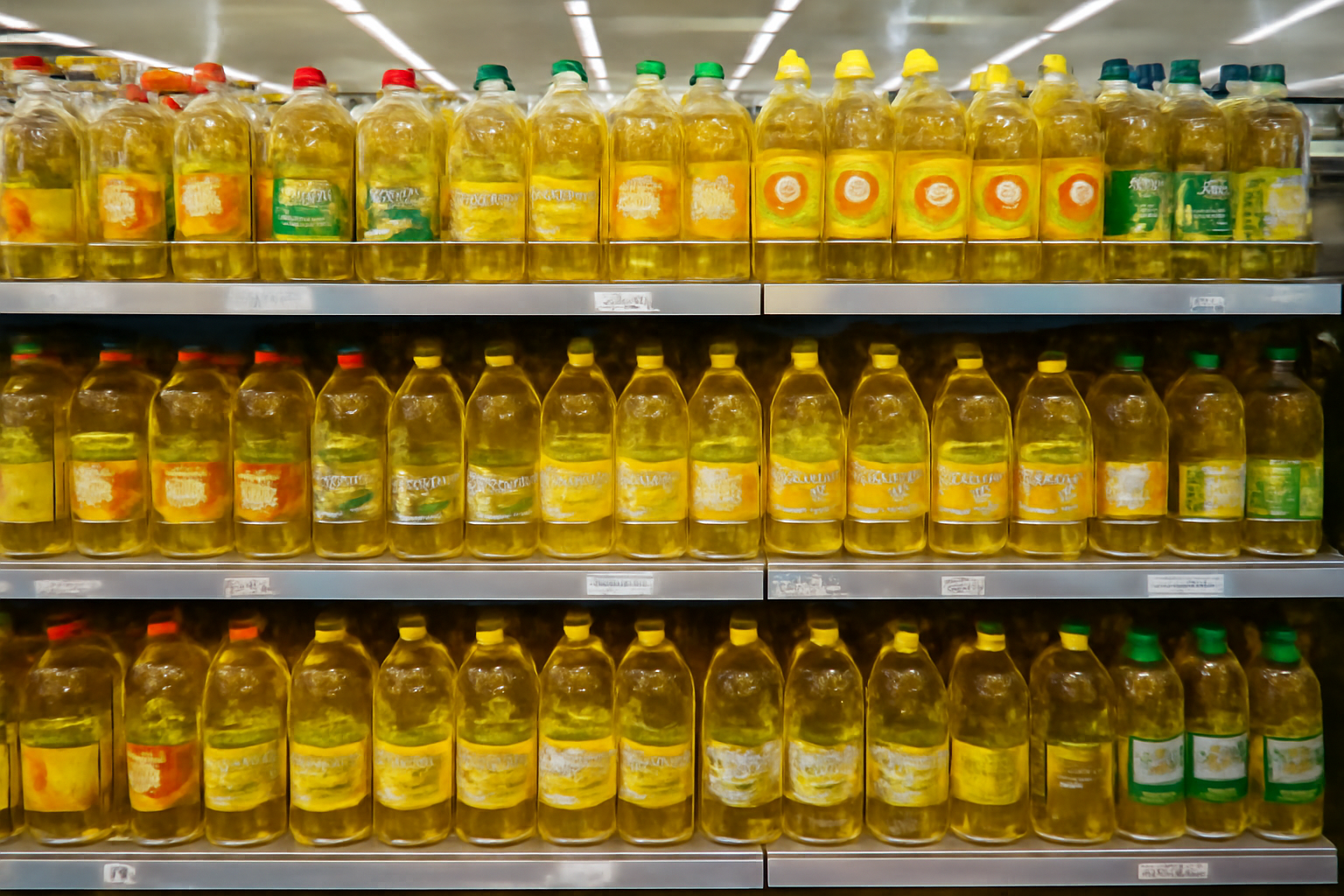
South Korea’s cooking-oil retail market is becoming less concentrated as smaller manufacturers and newer suppliers challenge the companies that traditionally led the category. Financial News reports that each of the country’s five largest cooking-oil manufacturers has experienced a decline in both sales value and market share during the past five years.
The parallel decline across all five leaders points to a market-wide redistribution of retail spending rather than an isolated setback at one company. The report does not identify the manufacturers or provide their individual sales and market-share figures. It nevertheless describes a clear competitive shift: companies outside the established top tier are capturing a larger portion of consumer purchases.
Cooking oil has historically been a category in which established food companies could draw on brand recognition and broad retail distribution. The latest pattern suggests those advantages are no longer sufficient to preserve previous sales levels and market positions. Smaller and later-entering manufacturers are now competing more effectively for shelf space and household demand.
A broader field changes retail competition
Financial News characterizes the market as entering a period of intense competition, with the previous structure led by a limited group of food companies giving way to a more diverse supplier base. For incumbent manufacturers, falling sales alongside declining share creates two separate pressures: the leaders are receiving less retail revenue while competitors are taking a larger part of the market.
The change matters beyond brand rankings. Cooking-oil producers and processors must decide how to defend retail listings, while distributors and retailers gain a wider choice of suppliers. A less concentrated market can increase competition over product positioning, pricing, promotions and access to sales channels, although the available source material does not specify which of these factors has driven the five-year movement.
For investors and market analysts, the next question is whether the challengers can convert recent gains into durable positions. The reported declines among all five leading manufacturers show that the shift is broad, but the absence of company-level data makes it impossible to determine whether the losses were evenly distributed. Future sales and market-share disclosures will be needed to establish which suppliers are growing fastest and whether South Korea’s cooking-oil retail market continues to fragment.