Toddler milk sales keep climbing as health experts question the need for the category
Toddler milk has become one of the fastest-growing parts of the formula business, with just over a third of Australian toddlers drinking it and parents worldwide spending hundreds of millions of dollars on it. Health experts say most children do not need the product and that its marketing misleads parents. The category's main vulnerability is regulatory rather than competitive.
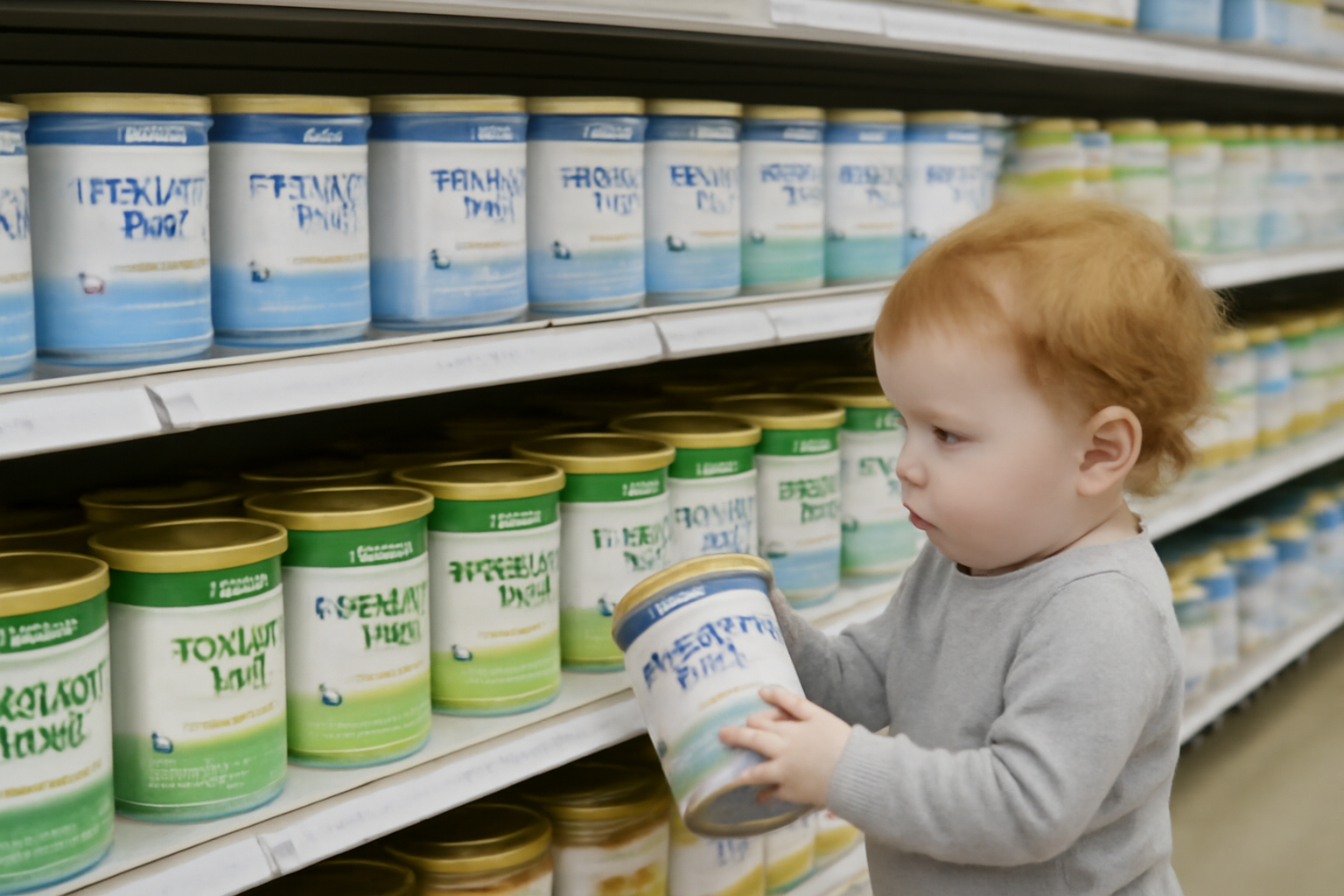
Toddler milk, the powdered milk-based drink marketed for children aged roughly one to three years, has become one of the fastest-growing corners of the formula business. Just over a third of Australian toddlers drink it, and parents around the world spend hundreds of millions of dollars on the category. Health experts say most of those children do not need the product, and that the marketing driving the growth misleads parents.
A category built as a brand extension
Toddler milk exists as a continuation of infant formula. It is sold under the same brand names, in similar packaging, with stage numbering that follows on from the products fed in the first twelve months. A parent reaching the end of formula feeding is presented with a next step rather than an exit from the category.
The commercial logic is straightforward. Infant formula demand is capped by the age window it serves and by the number of babies born. Toddler milk extends the purchase window past the first birthday and lifts revenue per customer without requiring a new customer base. Consumption is rising: the product is popular and becoming more so, with uptake in Australia already above a third of toddlers.
Where the regulatory line sits
The expert objection is less about safety than about necessity and promotion. The criticism rests on three points:
- Marketing rules that restrict infant formula advertising in many countries do not cover drinks aimed at children over twelve months, leaving advertising, discounting and in-store promotion open to manufacturers.
- Shared branding across stages allows a permitted advertisement to carry the recognition of a restricted product.
- Packaging claims, typically framed around growth, immunity or brain development, encourage parents to treat the drink as a nutritional requirement rather than a discretionary purchase.
The expert position is that most children past their first birthday get what they need from family foods together with plain cow's milk or a suitable alternative, which makes much of the spending avoidable.
Why processors like the margin
For dairy manufacturers the category converts commodity inputs into a premium branded product. Toddler milk is a dried blend of skim milk powder, whey derivatives, vegetable oils, lactose and added vitamins and minerals, sold at price points well above plain cow's milk. Value added per litre of raw milk processed is higher than in butter, cheese or standard milk powders.
That margin structure explains the marketing intensity experts criticise. It also explains why growth beyond the infant window matters so much to manufacturers: demand tied to births is finite, while demand for toddler drinks is created at the shelf. Retailers benefit as well, since repeat purchase is predictable across a roughly two-year window per child.
What to watch
The main risk to the category is regulatory rather than competitive. Where authorities decide that toddler milks fall under the same promotional restrictions as infant formula, the mechanism generating demand is removed directly, because that demand rests on advertising and shelf presence rather than clinical need. Public health campaigning of the kind reflected in the current expert criticism usually precedes such a step.
The second variable is household budgets. A premium discretionary drink competing against fresh milk is exposed when grocery spending tightens, and retailer private label has an obvious entry point at a lower price. For producers and investors, the figures to track are penetration rates of the kind reported in Australia, the pace at which national marketing codes are updated, and the price gap between toddler milk and plain milk in each market.