Tight Australian Sheep Supply Sends Winter Lamb and Mutton Prices to Records
Australian lamb and mutton indicators reached record levels during winter 2026 as restockers and processors competed for limited livestock. New-season lambs are beginning to reach saleyards, but Meat & Livestock Australia expects supply to remain tight through spring.
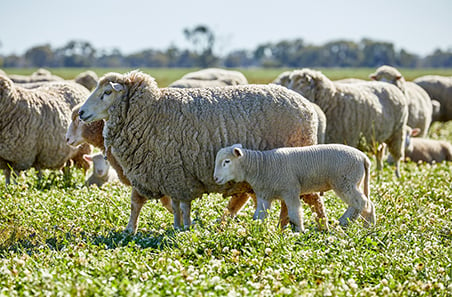
Competition for limited livestock lifts prices
Australian lamb and mutton prices reached record levels during winter 2026 as restricted sheep availability intensified competition between processors and producers rebuilding their flocks. Meat & Livestock Australia said widespread rainfall across much of southern Australia, including drought-breaking falls in some areas, restored producer confidence after several years of scarce feed and water.
Improved seasonal conditions encouraged restockers to retain breeding animals and compete for available sheep. At the same time, historically low meat protein supply sustained processor demand for both lamb and mutton. According to MLA Market Information Analyst Alex Fry, the overlap blurred traditional buying patterns because restockers and processors increasingly targeted similar categories of livestock.
Market indicators have eased from their winter records, but the underlying shortage has not disappeared. MLA said a national flock rebuild will take time despite improved expectations for the 2026 lambing season. That limits the prospect of a rapid increase in slaughter-ready supply and keeps processors exposed to firm livestock procurement costs.
Winter yardings contract across major producing states
New South Wales lamb yardings totalled 827,600 head between June and August, 29% below the previous winter and 31% below the five-year average. Sheep yardings in the state fell 45% year on year to 270,278 head, illustrating the scale of the supply contraction in Australia’s largest saleyard market.
Victoria recorded lamb yardings of 239,073 head, down 37% from 2025 and 36% below the five-year average. Sheep yardings also declined 37% year on year to 77,762 head. MLA said this was the smallest winter sheep yarding at Victorian saleyards since records began in 2000.
South Australian lamb yardings fell 44% year on year to 55,479 head, a level 42% below the five-year average and the second-lowest winter result on record. Only 2022 was lower, at 40,373 head. The state’s sheep yardings dropped 51% to 11,894 head, the lowest winter total in its records. Queensland also recorded reduced availability, with lamb yardings down 18% to 4,885 head and sheep yardings down 39% to 3,597 head.
New-season lambs offer only gradual relief
The latest weekly figures provide the first sign of seasonal supply growth. National lamb yardings increased 9% week on week to 128,513 head, with reports of more new-season lambs appearing in saleyards. National sheep yardings moved in the opposite direction, falling 16%, indicating that the shortage of mature animals remains pronounced.
MLA expects supply to remain tight through spring. Rain has improved the outlook across many important sheep-producing regions, but conditions are less favourable in south-west Western Australia, eastern Victoria and parts of Tasmania. Stronger lambing and rising new-season throughput may gradually ease pressure, although flock rebuilding and producer retention are likely to prevent an immediate return to normal volumes. For processors, traders and meat buyers, the pace at which weekly lamb yardings recover will be a key test of whether winter’s record prices can moderate sustainably.