Thailand Weighs Three-Month Extension of B7-B20 Biodiesel Support
Thailand’s Energy Ministry is considering extending biodiesel price support in three-month increments after the current measure expires on September 24, 2026. The proposal seeks to sustain demand for domestic palm oil while limiting pressure on fuel prices, transport costs and consumers.
Short-term extension under consideration
Thailand’s Energy Ministry is considering extending price support for B7 and B20 biodiesel in three-month increments after the existing measure expires on September 24, 2026. The proposal would preserve a policy tool used to support domestic palm-oil demand while giving authorities room to respond to changes in feedstock and energy prices.
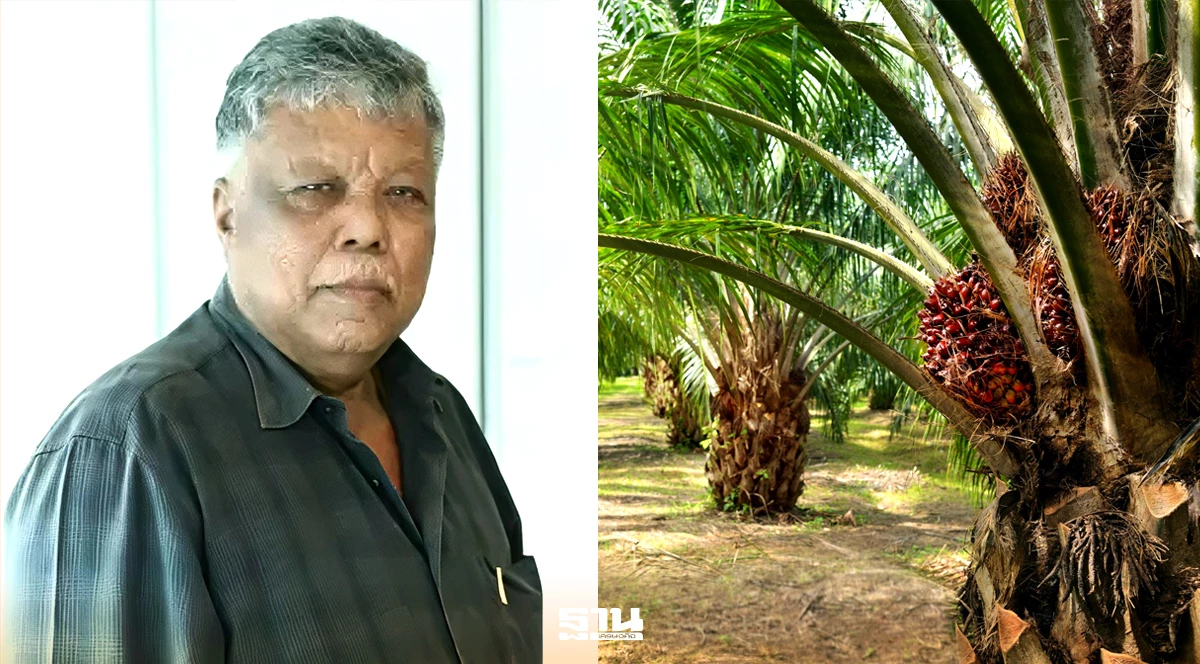
Manat Phuttharat, president of the Thai Oil Palm Farmers Federation and a member of the subcommittee responsible for balancing the palm-oil market, told Thansettakij that officials had discussed the ministry’s plans after the support authorized under the transitional provision of Section 55 comes to an end. According to Manat, a senior Energy Ministry official indicated that successive three-month extensions were the most likely option.
The proposed approach would not require a legal amendment because it could be implemented as an internal policy decision by the Energy Ministry, Thansettakij reported. Each extension would still be submitted to the Energy Policy Administration Committee for consideration and approval.
B7 and B20 remain outlets for palm oil
Manat said there was currently no proposal to discontinue production of either B7 or B20, despite the scheduled expiration of the support measure. The two biodiesel blends continue to play an important role in absorbing palm oil produced in Thailand and in balancing the wider domestic oil-palm industry.
B7 contains a lower biodiesel component than B20, but both grades connect the fuel market with demand for palm-based feedstock. Maintaining their production therefore matters to oil-palm growers and processors as well as fuel suppliers. A continuation of support could help prevent an abrupt reduction in this source of domestic palm-oil consumption.
However, Manat stressed that an extension was not yet certain. A formal decision remains pending, and rising palm-oil prices could increase the cost of producing biodiesel. That creates a direct policy trade-off: stronger feedstock prices may benefit growers, but they can also raise the amount of support needed to prevent higher fuel costs from reaching consumers and transport operators.
Officials seek flexibility as prices change
Three-month reviews would allow the government to adjust the measure as market conditions develop rather than committing to a longer support period. According to Manat, this structure could reduce shocks to the palm-oil industry when raw-material prices fluctuate while helping contain increases in energy costs.
The decision must balance several groups with different exposures. Oil-palm farmers depend on sufficient demand and remunerative crop prices, while biodiesel producers face higher input costs when palm oil becomes more expensive. Fuel consumers and the transport sector, meanwhile, are sensitive to any increase in diesel-related expenses and the resulting pressure on living costs.
The Energy Policy Administration Committee will ultimately determine whether support continues in each three-month period. Until that review is completed, B7 and B20 production remains in place, but the financial framework after September 24, 2026 is not guaranteed. For growers, processors and fuel-market participants, the timing of the committee’s decision will be central to planning purchases, production and pricing.