Thailand weighs induction-furnace restrictions for construction rebar
Thailand is reviewing whether induction-furnace steel should remain barred from producing deformed rebar for structural construction. Producers warn that tighter technology-based rules could concentrate supply and raise costs, while standards officials cite quality, pollution and enforcement risks.
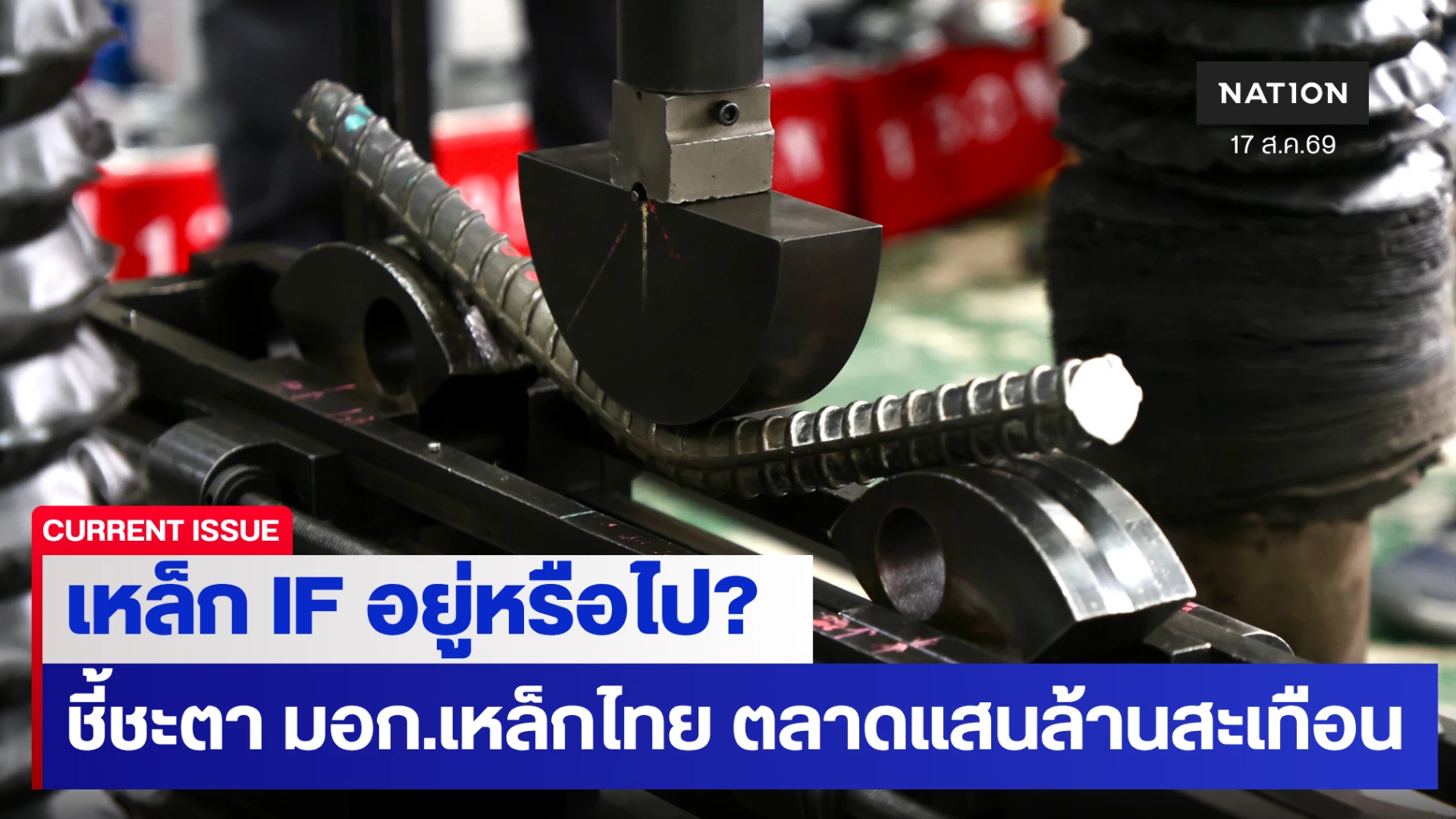
Thailand reviews rebar production rules
Thailand’s Industrial Standards Institute held a stakeholder consultation on 17 August 2026 over proposed revisions to standards for reinforcing steel. The central issue is whether the country should prohibit or restrict the use of induction furnaces, known as IF furnaces, to produce deformed rebar for structural applications and recognize only electric arc furnaces, or EAF, and basic oxygen furnaces, or BOF, for that product.
Nation TV reported that the Industrial Product Standards Council’s existing position already prevents steel from IF furnaces from being used to make deformed rebar for building structures. IF operators may still produce round bars. The final direction will depend on whether regulators prioritize control of the production process from the melting stage or rely primarily on testing finished products.
Producers warn of concentration and higher costs
Sakchai Thanabodijirapong, president of the trade association representing induction-furnace metal smelters, argued that certification should depend on whether the finished steel complies with TIS 24. He said compliant products should not be excluded solely because of the technology used to manufacture them. In his view, stricter factory supervision and inspections could address weaknesses in raw-material handling and melting processes.
The association warned that restricting IF production could force a significant part of the sector to suspend operations, leaving the market more dependent on a smaller group of EAF producers. It said this could increase domestic construction-material prices in a market worth hundreds of billions of baht. Naewna separately cited an earlier statement by Sakchai describing the market at stake as worth 50 billion baht. The two figures refer to the market differently and were not reconciled in the source material.
Officials focus on consistency and enforcement
Standards officials argue that IF furnaces are open systems that have difficulty removing impurities such as sulfur and phosphorus from molten steel. Irregular or substandard feedstock may also introduce elements including boron, increasing the risk of inconsistent steel quality. Officials further contend that IF facilities are harder to regulate for dust, pollution and toxic gases than EAF plants. They are also concerned that Thailand could become a destination for IF capacity displaced by tighter controls abroad, particularly from China.
Atthawit Suwanphakdee said structural work and high-rise buildings require steel with high ductility and tensile strength, making upstream process control necessary rather than relying only on final-product sampling. He said previous inspections found IF steel more likely to fail standards than steel made in other furnaces, while the Industry Ministry has only five officials in its steel-standards inspection unit. Naewna argued that any proposed IF process supplemented by argon oxygen decarburization or ladle-furnace treatment must first demonstrate repeatable performance across multiple heats, grades, factories and operating conditions, supported by independent testing. The standards council must now balance those safety and enforcement concerns against warnings about reduced competition and higher costs.