Thailand Cuts Potato Import Volume to 78,000 Tonnes and Orders Smuggled Produce Destroyed
Thailand's Ministry of Agriculture and Cooperatives has reduced the 2026 import volume of fresh potatoes for processing to 78,000 tonnes and confirmed that smuggled fresh produce without phytosanitary certificates will be destroyed immediately rather than auctioned. Four further measures covering onion import timing, tariffs and priority purchasing from Thai farmers go to the farmer assistance committee on 3 September 2026.
Thailand’s Ministry of Agriculture and Cooperatives is rebalancing import volumes for bulb and root crops and escalating enforcement against smuggled farm goods, according to Bangkokbiznews. The measures are presented as part of a policy to move the country beyond its long-standing label as the “kitchen of the world” towards what the ministry calls the “provisioner of the world” — a food-security positioning aimed at raising farm incomes on a sustained basis.
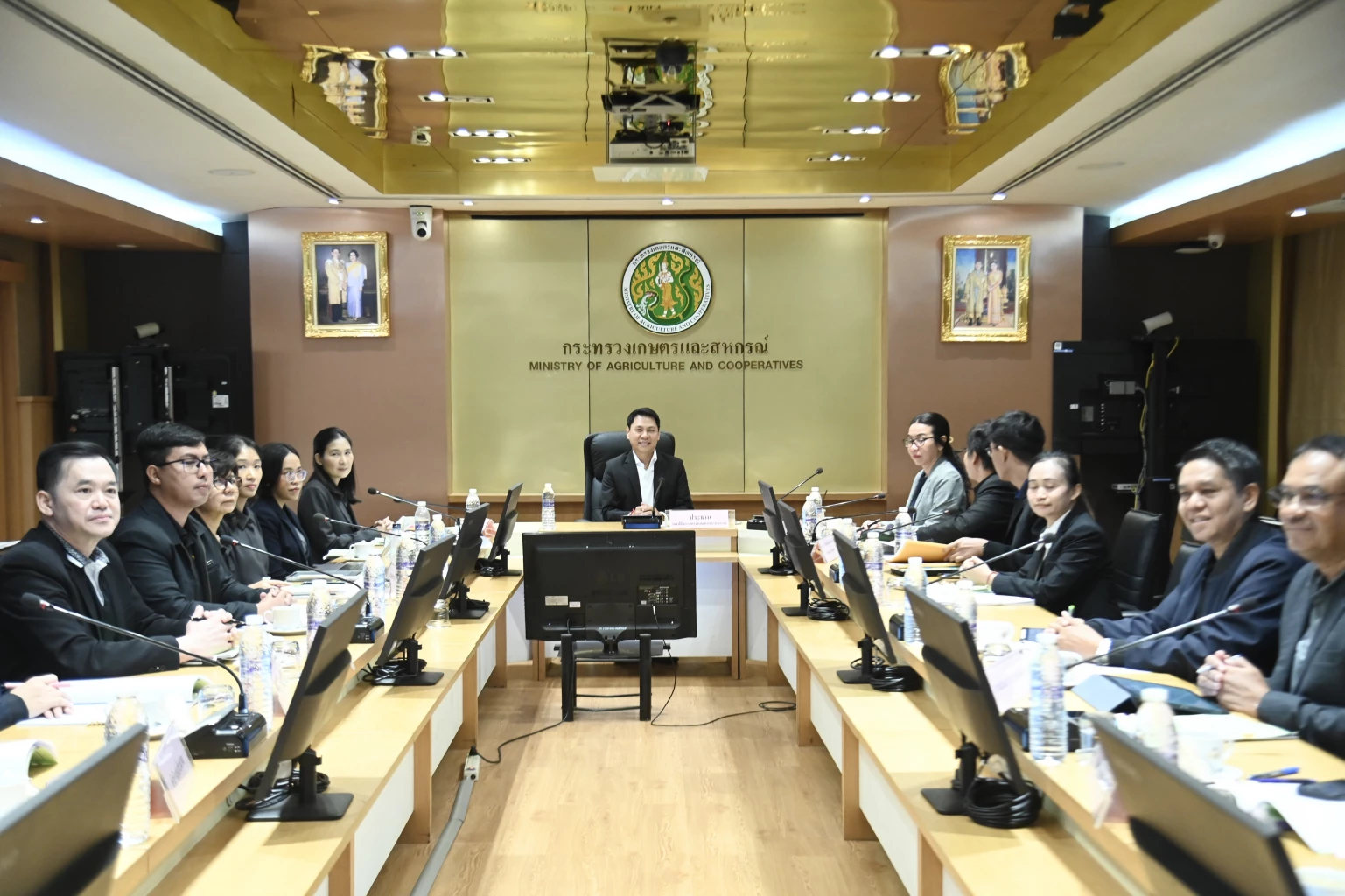
Krit Uttamawethin, Deputy Permanent Secretary of the Ministry of Agriculture and Cooperatives, set out the decisions after chairing the second 2026 meeting of the subcommittee responsible for production and marketing management of garlic, shallots, onions and potatoes. The subcommittee reviewed the framework for market-opening commitments under the World Trade Organization and under the Thailand–Bhutan free trade agreement, with the stated aim of applying those commitments in a balanced and fair manner.
Potato import volume cut to 78,000 tonnes
The meeting agreed to reduce the volume of fresh potatoes admitted for processing in 2026 to 78,000 tonnes. Potatoes for the processing industry are one of the sensitive lines managed under Thailand’s market-access commitments, and the annual figure is the main instrument the ministry uses to balance processor demand against domestic grower interests.
Alongside the volume decision, the subcommittee approved an approach to supply chain management intended to link farmer groups directly with commercial buyers. The stated objectives are lower production costs and stronger competitiveness. The ministry also wants domestic consumption figures to serve as the reference point for production planning, so that Thai output is expanded specifically to displace imported volumes rather than to chase export markets.
Seized produce destroyed, not auctioned
Enforcement has been stepped up in parallel. Bangkokbiznews reports that seizures linked to smuggled onions and shallots rose continuously through the first half of 2026, the result of joint operations between the ministry and other agencies. The subcommittee emphasised that this enforcement work sits alongside the price and output protection measures rather than being separate from them.
The ministry confirmed it will apply the Plant Quarantine Act without exception. Fresh agricultural products brought into the country without a phytosanitary certificate are to be destroyed immediately, and their sale at auction is prohibited outright. The stated rationale is phytosanitary — preventing the entry of emerging plant diseases and insect pests capable of damaging Thai fields — alongside the defence of domestic growers’ livelihoods.
Four measures go to the farmer assistance committee on 3 September
The subcommittee endorsed in principle a set of proposals put forward by the farming sector, to be forwarded as four measures to the Committee on Policy and Measures to Assist Farmers on 3 September 2026. Three of them are described in the report:
- Managing the timing of fresh onion imports so they do not coincide with the period when Thai output reaches the market, from November to June.
- Applying tariff measures at levels the ministry considers appropriate.
- Asking commercial operators to give priority to purchasing from Thai farmers before sourcing abroad.
The committee is the body responsible for approving price protection and income stabilisation measures for Thai farmers, so its 3 September session will determine whether the proposals move from principle to implementation.
From “kitchen of the world” to “provisioner of the world”
The ministry frames the package as a combination of firm legal action against smuggled goods and a management structure that aligns crop imports with domestic requirements. Protecting Thai harvests from disease and from dumping conditions is described as a way to defend incomes at the base of the farm economy and to underpin national food security. For importers, processors and traders, the practical effect is a narrower and more tightly scheduled window for bringing in bulb and root crops, with sourcing pressure shifting towards domestic contracts.