Thailand Targets China’s Fresh-Snack Market as Value Could Reach 50 Billion Yuan
Thailand is encouraging food companies to turn domestic agricultural materials into branded, higher-value snacks for China. Post Today reports that China’s fresh-snack market could reach 40–50 billion yuan in 2026 after growing by more than 40% in 2025.
China’s fresh-snack market accelerates
Thailand’s Ministry of Commerce is encouraging domestic food companies to pursue China’s fast-growing fresh-snack market by converting Thai agricultural materials into processed, branded products with higher margins. The initiative covers tropical fruit, nuts, grains, dairy products, beverages, bakery goods and health-oriented snacks.
Post Today, citing Thailand’s Department of International Trade Promotion, reported that the Chinese market for fresh snacks was valued at about 18 billion yuan in 2025 and grew by more than 40%. It could expand to 40–50 billion yuan in 2026, equivalent to approximately 200–250 billion baht.
The category is being driven by younger Chinese consumers seeking freshness, quality, health benefits and convenience. Unlike conventional packaged snacks designed for long storage, fresh snacks generally have shorter shelf lives, are produced or prepared more recently and use relatively simple ingredients. The format combines elements of food retail and ready-to-eat service while aligning with clean-label and healthy-lifestyle trends.
Thai suppliers are urged to move beyond raw materials
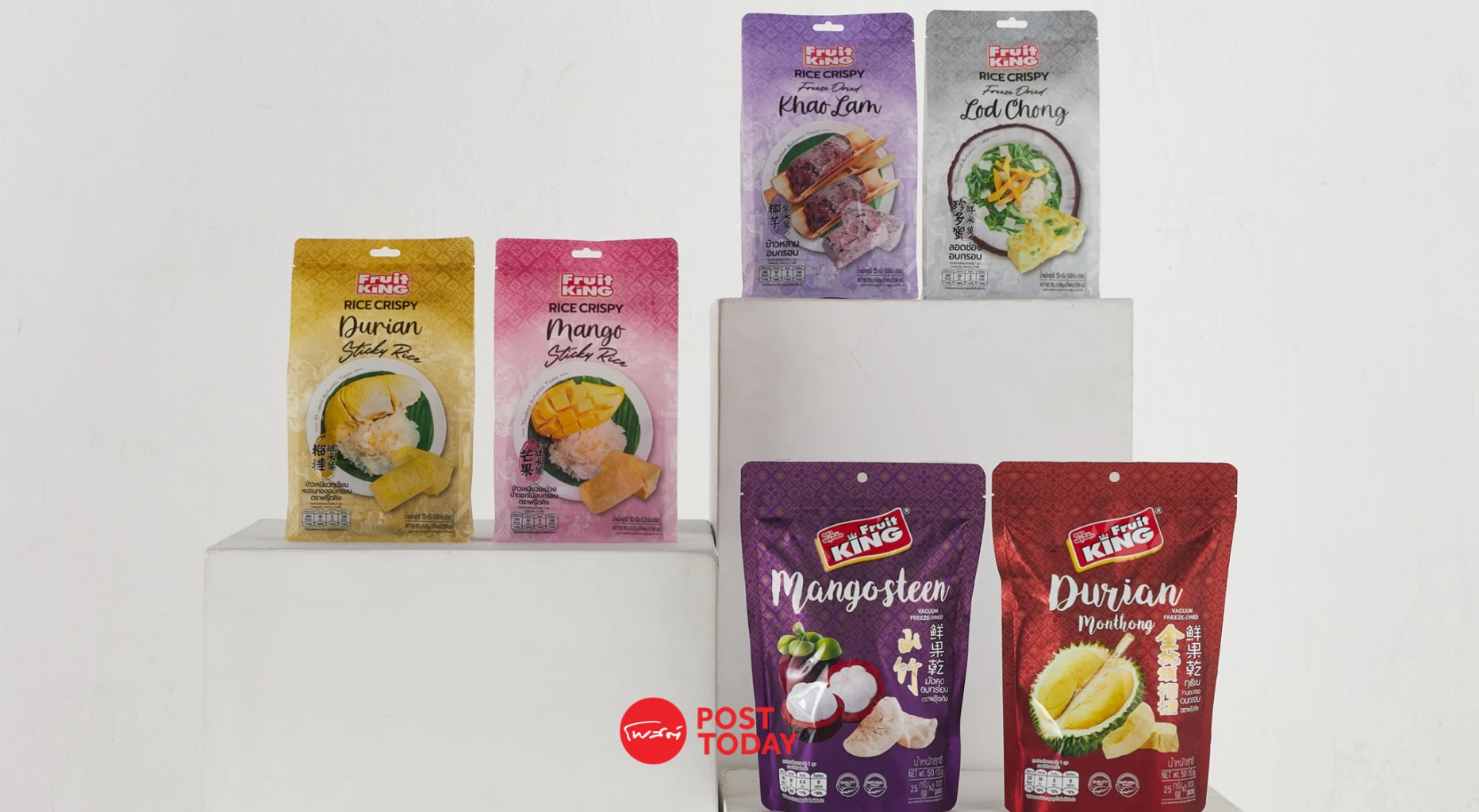
Popular products include dried and freeze-dried fruit, ready-to-eat fresh fruit, fresh bakery products, nuts, grains, dairy goods, beverages and healthier snack options. Thailand’s potential offer includes durian, mango, coconut, banana and other tropical-fruit products that already have a clear association with the country’s agricultural sector.
Sunanta Kangvalkulkij, director-general of the Department of International Trade Promotion, said Thai companies should improve raw materials and create distinctive products through innovation, value-added processing and packaging suited to modern lifestyles. Brand development and product storytelling are also intended to help suppliers progress from exports of primary agricultural goods to higher-value consumer products.
The policy follows the ministry’s broader effort to identify new commercial opportunities and strengthen the competitiveness of Thai goods and services. The department has instructed Thailand’s overseas trade promotion offices to accelerate market development under the policy of Deputy Prime Minister and Commerce Minister Suphajee Suthumpun. The Nanning office identified fresh snacks as an emerging segment of China’s food industry.
Retail competition broadens access to consumers
Competition is increasing as large retailers enter a market previously associated more closely with specialist stores. On July 22, 2026, 7-Eleven in Jiangsu province introduced “7 Fresh Snacks,” offering categories ranging from grains, dried fruit and nuts to meat products. The launch indicates that fresh snacks are moving into broader retail networks with the capacity to reach more consumers.
Thai suppliers are therefore being advised to combine Chinese digital platforms and e-commerce with physical distribution through convenience stores, supermarkets, modern-trade outlets and dedicated fresh-snack shops. A wider channel mix would reduce reliance on traditional distribution and place Thai products at more stages of the Chinese consumer’s purchasing journey.
Success will depend on more than access to Thai fruit and other ingredients. Short shelf lives raise demands on processing, packaging, inventory management and delivery, while greater participation by major retailers is likely to intensify competition over quality, safety, convenience and brand recognition. For Thai producers and exporters, the commercial opportunity lies in retaining more of the final product’s value rather than remaining principally a supplier of agricultural inputs.