Thailand targets 200-billion-baht halal food economy with southern ASEAN hub
Thailand plans to develop its southern region into an ASEAN halal hub and expand the halal food economy to 200 billion baht. The initiative aims to connect 50 southern SMEs with hospitality, tourism and other buyers, although the available announcement gives no timetable or investment figure.
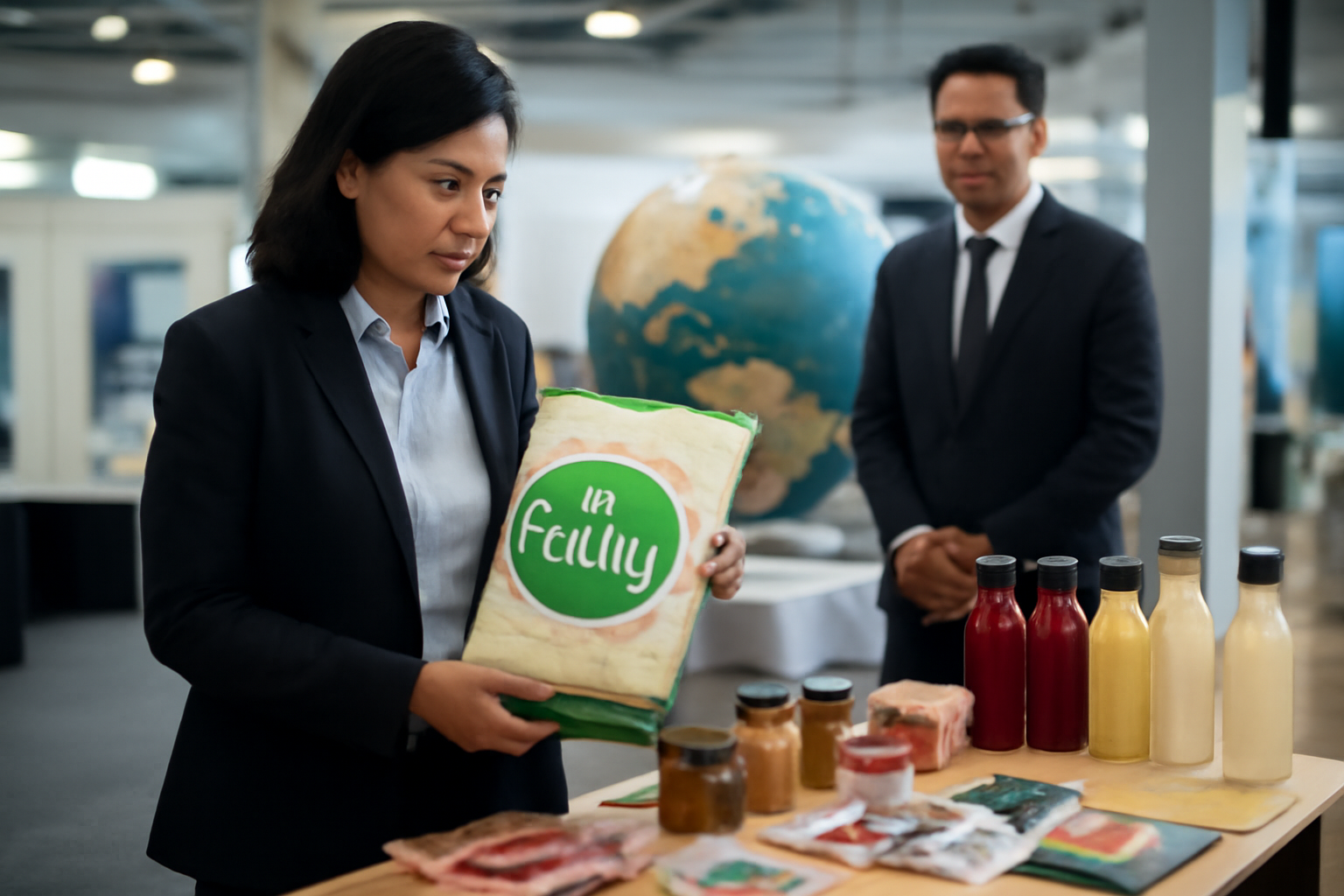
Southern Thailand positioned as a halal hub
Thailand is seeking to build a halal food economy worth 200 billion baht and position the country’s southern region as a halal hub for ASEAN. The plan focuses on turning the south’s existing food businesses and proximity to regional markets into a broader commercial platform for halal products.
The initiative is aimed particularly at small and medium-sized enterprises in southern Thailand. Its immediate commercial focus includes the HoReCa market—the hotel, restaurant and catering sector—as well as demand generated by tourism. These channels can give smaller food producers access to institutional buyers without requiring them to enter export markets independently.
The announcement also refers to connecting 50 operators with the market. It does not identify the participating companies or specify whether all are food manufacturers, processors or service providers. No implementation timetable, funding level or responsible government agency was included in the supplied material.
Hospitality and tourism offer an initial sales channel
Linking halal SMEs to hotels, restaurants and tourism businesses could create a domestic route to scale before companies pursue wider ASEAN distribution. For buyers, a larger pool of qualified suppliers could broaden sourcing options for prepared food, ingredients and other products intended for Muslim consumers.
The strategy combines regional development with food-sector expansion. Southern enterprises stand to gain access to larger buyers, while hospitality companies may be able to source more halal products from within Thailand. The plan may also encourage processors to formalize production and strengthen quality controls where commercial customers require consistent specifications.
However, the 200-billion-baht figure is presented as a target for the halal food economy, and the available information does not explain how it was calculated. It also gives no current market baseline, production capacity, projected sales growth or split between domestic consumption, tourism demand and exports.
Execution details will determine regional reach
Developing an ASEAN hub requires more than matching 50 businesses with buyers. Producers typically need recognized certification, reliable raw-material sourcing, traceability, suitable packaging and enough capacity to meet repeat orders. The supplied announcement does not state which certification arrangements, logistics services or financing mechanisms will support the participating SMEs.
The export dimension also remains undefined. No priority destination countries, product categories, shipment targets or trade values were named. Thailand’s southern location supports the plan’s regional orientation, but the commercial outcome will depend on whether participating companies can convert introductions to hospitality and tourism buyers into sustained contracts.
For processors, investors and distributors, the next relevant indicators will be the selection of the 50 operators, the products they offer and the purchasing commitments secured from buyers. Details on certification, finance, capacity expansion and market access will also show whether the 200-billion-baht objective represents a measurable program or a broader policy ambition.