Thailand plans wider school milk program as dairy agency debt tops 4.5 billion baht
Thailand is preparing to expand its school milk program to additional age groups to absorb excess raw milk from dairy farmers. The government is also accelerating the distribution of more than 1.9 million cases held by the Dairy Farming Promotion Organization and planning a recovery program for its accumulated losses of over 4.5 billion baht.
Government seeks immediate outlet for surplus milk
Thailand is preparing to widen its school milk program as part of a government effort to absorb excess raw milk, support dairy farmers and address financial problems at the state dairy organization. Siam Rath reported on July 22, 2026, that the measures will cover production bottlenecks, unsold inventories, milk prices and the effects of free trade agreements on the domestic industry.
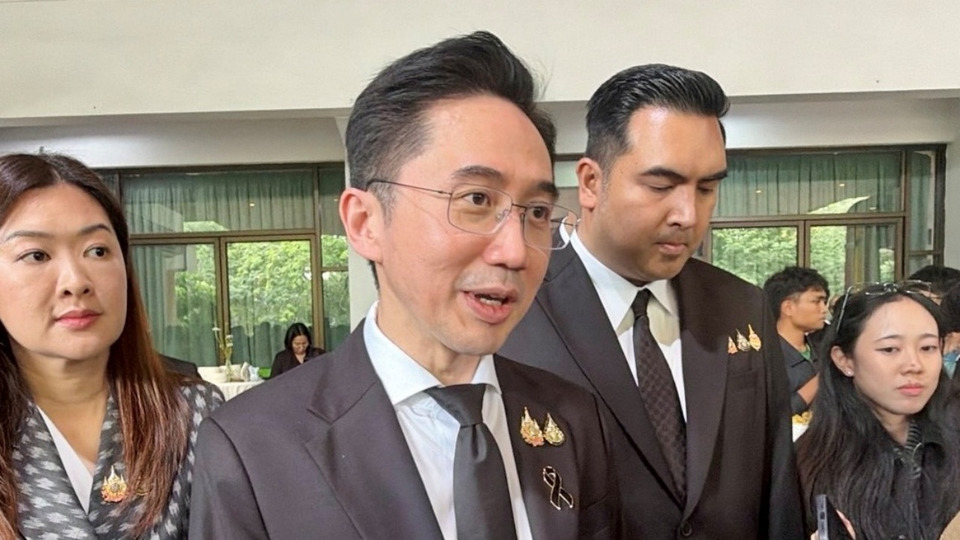
Yodchanan Wongsawat, deputy prime minister and minister of higher education, science, research and innovation, said the government was working across the dairy supply chain. In his capacity overseeing the Ministry of Agriculture and Cooperatives, he said officials were examining obstacles in production while trying to move accumulated stocks. The immediate objective is to reduce pressure on farmers during a period when milk supply exceeds demand.
School program and public agencies to absorb stocks
The government has coordinated with the Ministry of Education on expanding the age range of students eligible for subsidized milk under the school supplementary food program. A broader group of recipients would increase purchases of raw milk from farmers. Officials are also considering loans and resources from government funds to provide initial assistance and limit the impact of the surplus on producers.
Inventory held by the Dairy Farming Promotion Organization of Thailand, known as the DPO, presents the most urgent operational issue. More than 1.9 million cases of milk remain in stock and are approaching the end of their consumption period, according to Siam Rath. The government and the DPO are trying to distribute the products through public agencies before the deadline.
Discussions have taken place with the Ministry of Social Development and Human Security, which has agreed to help channel the batch into its activities. The plan could provide a near-term outlet for packaged milk, although the report did not specify a distribution timetable, the volume each agency would take or the financing required. These details will determine how quickly the existing inventory can be cleared and whether processors can resume taking more raw milk.
Processing plans accompany debt restructuring
For the longer term, the government intends to create additional uses for raw milk. It is studying South Korea's experience in processing milk into products such as cosmeceuticals and food-industry ingredients. Officials are also considering dairy-farm tourism as another source of consumption and income, reducing reliance on milk sold solely as a beverage. Community processing plants could form part of the program, alongside the use of milk in activities run by different ministries.
The initiative is tied to the financial condition of the DPO, which has accumulated losses of more than 4.5 billion baht. Yodchanan said the organization requires a comprehensive business recovery plan. The government plans to bring in specialists with experience restructuring large organizations and to coordinate spending among several ministries. For farmers, processors and buyers, the central question is whether emergency stock clearance can be converted into stable demand. Wider school coverage may provide immediate volume, but processing investment and a credible DPO recovery plan will be necessary to prevent another buildup of milk and debt.