Thailand Targets 7 Million Tonnes of Rice Exports as China Talks and El Niño Risks Intensify
Thailand is pursuing additional government-to-government rice sales to China as it seeks to meet a 2026 export target of 7 million tonnes. Shipments fell 10.75% year on year in January-May, while El Niño concerns, rising prices and stronger demand elsewhere are reshaping the outlook.
China negotiations support export campaign
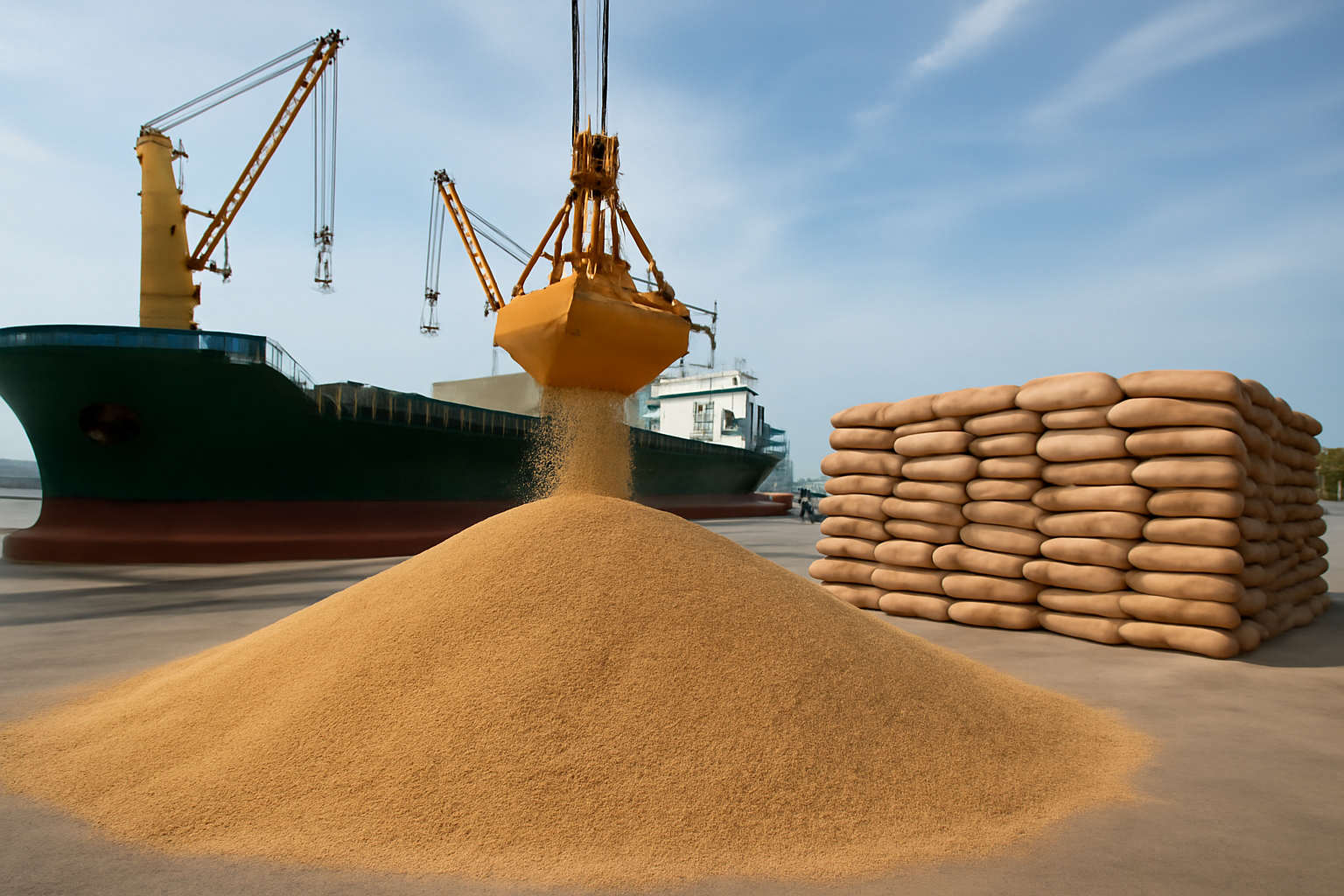
Thailand is accelerating efforts to sell rice to China and other priority markets as the government seeks to reach its 2026 export target of 7 million tonnes amid intense global competition and an uncertain supply outlook.
The Department of Foreign Trade plans to advance negotiations with Chinese state-owned food group COFCO for a further 460,000 tonnes under a government-to-government arrangement, according to Prachachat. The department is also preparing to take Thai jasmine rice suppliers and smaller producers of premium rice to Guangzhou for talks with Chinese importers in July.
The China initiative forms part of a wider market-diversification campaign. Thai officials visited South Korean rice-importing authorities on June 7-10 and plan missions to the Philippines and Malaysia in early August. The government is also targeting Africa, Latin America and the Middle East while seeking greater use of Thailand’s free-trade agreements with Peru and Chile.
Commerce Minister Suphajee Suthumpun said the ministry would work closely with exporters to generate orders for domestic production and support rice-farming income. Government agencies and Thailand’s overseas commercial representatives have been instructed to focus on markets with growth potential and to reduce dependence on individual destinations.
Shipments trail last year despite regional gains
Thailand exported 2.74 million tonnes of rice from January through May 2026, down 10.75% from the same period a year earlier, Prachachat reported. Nevertheless, shipments to Asia and Africa—Thailand’s two leading regional export markets—expanded during the period.
Iraq, described by Prachachat as Thailand’s largest rice export market, has been a source of weakness. Deliveries slowed from March because of conflict in the Middle East. Chookiat Ophaswongse, honorary president of the Thai Rice Exporters Association, said exports could return to normal after the regional situation eases.
Demand has strengthened in other markets. Concerns about El Niño and food security have prompted some countries to accelerate purchases and build inventories, with the Philippines and Malaysia placing substantial orders, according to the association. Rising domestic demand for broken rice in animal feed has provided additional support because Thailand is experiencing a shortage of feed corn.
Exporters are also asking the government to negotiate changes to Thailand’s European rice quota. The private sector wants a larger share assigned to whole-grain rice because Thailand sends more whole-grain than broken rice to Europe. The Commerce Ministry plans to raise the issue with European counterparts.
El Niño changes the price and supply balance
Global rice prices have risen sharply as buyers assess the risk that El Niño could reduce future output. Chookiat said international prices had increased from about $320-$340 per tonne late last year to approximately $480 per tonne. The increase reflects precautionary buying as well as concern about future availability.
For Thailand, this creates a mixed commercial picture. Higher prices can support exporter and farmer returns, but they do not remove the pressure created by aggressive competition in white rice. The government is therefore pairing immediate sales efforts with longer-term work on rice varieties, production security and alignment with changing overseas demand.
The outlook depends partly on whether weather fears translate into actual crop losses. A stronger El Niño could tighten regional availability and encourage importers to secure supplies earlier, supporting Thai sales. If production remains ample, however, competition for price-sensitive contracts could remain severe, leaving the China negotiations and expansion into Africa and Latin America increasingly important to the 7-million-tonne target.