Thailand’s palm oil sector faces 2 million-tonne surplus risk as biodiesel support changes
Thailand’s palm oil industry could face a surplus exceeding 2 million tonnes if changes to the Oil Fuel Fund’s biodiesel support reduce energy-sector demand for crude palm oil after September 24, 2026. Producers are examining oleochemicals, biotechnology and waste processing as alternative outlets.
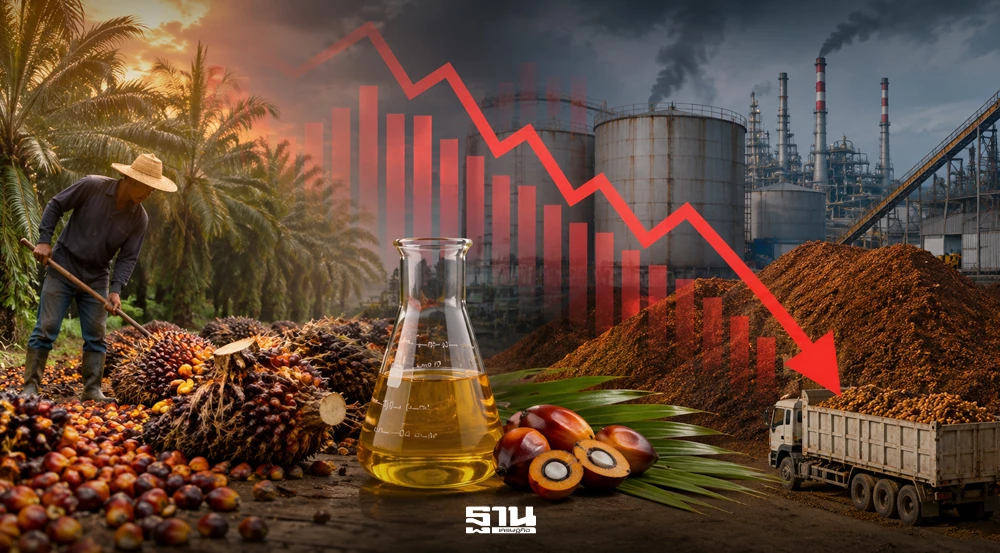
Biodiesel support approaches a policy deadline
Thailand’s palm oil industry is preparing for a possible decline in domestic biodiesel demand as rising production coincides with changes to national fuel policy. Thansettakij reports that September 24, 2026, is a key date under the Oil Fuel Fund Act of 2019, after which the existing mechanism for subsidising biodiesel may no longer operate in the same form.
Dr Burin Sukpisan, a bioeconomy specialist and former expert member of the National Palm Oil Policy Committee, told Thansettakij that biodiesel could become more expensive than conventional diesel without support, particularly when global crude oil prices fluctuate. If blending biodiesel raises the retail fuel price, consumers may become less willing to buy it, reducing demand for the crude palm oil used as biodiesel feedstock. The report describes this as a risk rather than a confirmed end to biodiesel use or subsidies.
Up to 1 million tonnes could return to the wider market
Thailand’s energy sector currently absorbs about 1 million tonnes of crude palm oil for biodiesel production, according to Thansettakij. If that demand weakens, the volume could return to the edible-oil and industrial markets. Combined with an existing palm oil surplus, the country could then face more than 2 million tonnes of excess supply.
Higher inventories would put pressure on the entire domestic chain, including oil-palm growers, crushing mills, refiners, biodiesel producers and downstream manufacturers. If alternative users cannot absorb the additional material, lower crude palm oil and fresh fruit bunch prices could ultimately reduce farmers’ income. The exposure is particularly significant because the possible policy change would arrive while palm fruit production is expected to increase.
Industry searches for alternative demand
The Ministry of Industry’s Office of Industrial Economics is bringing Thai and international specialists together at the Palm Oil × Oleochemical Executive Forum 2026 in Bangkok on August 10. The programme covers the global market, energy use, oleochemical development, biotechnology and methods for creating value from palm-processing residues. The central question is how quickly new markets can be developed if the energy sector no longer consumes crude palm oil at its previous level.
Oleochemicals are one possible outlet. They convert oils and fats into higher-value ingredients and intermediate products for multiple industries. Other proposals include using oil-palm DNA data to improve yields and processing palm oil mill effluent, or POME, into valuable products. Specialists from Thailand and other countries, including Dr Ravigadevi Sambanthamurthi, Nathan Lakey and Yu-Leng Khor, are due to discuss genetics, synthetic biology, waste use, climate risk and palm oil pricing.
These technologies may diversify demand, but the timing remains critical. Dr Burin said Thailand needs a plan for any crude palm oil that returns from the energy market after September 24. If established outlets contract before oleochemical and biotechnology markets reach sufficient scale, a surplus exceeding 2 million tonnes could weigh on prices across the chain and transmit the largest losses to oil-palm growers.