Thailand’s fruit sector looks beyond seasonal offloading to long-term market development
Thailand’s tropical fruit supply rises sharply around mid-year as produce from several regions reaches the market at the same time. The sector is being urged to replace reactive seasonal offloading with sustained market development for longan, mangosteen, durian, pomelo and mango.
Simultaneous harvests test the market
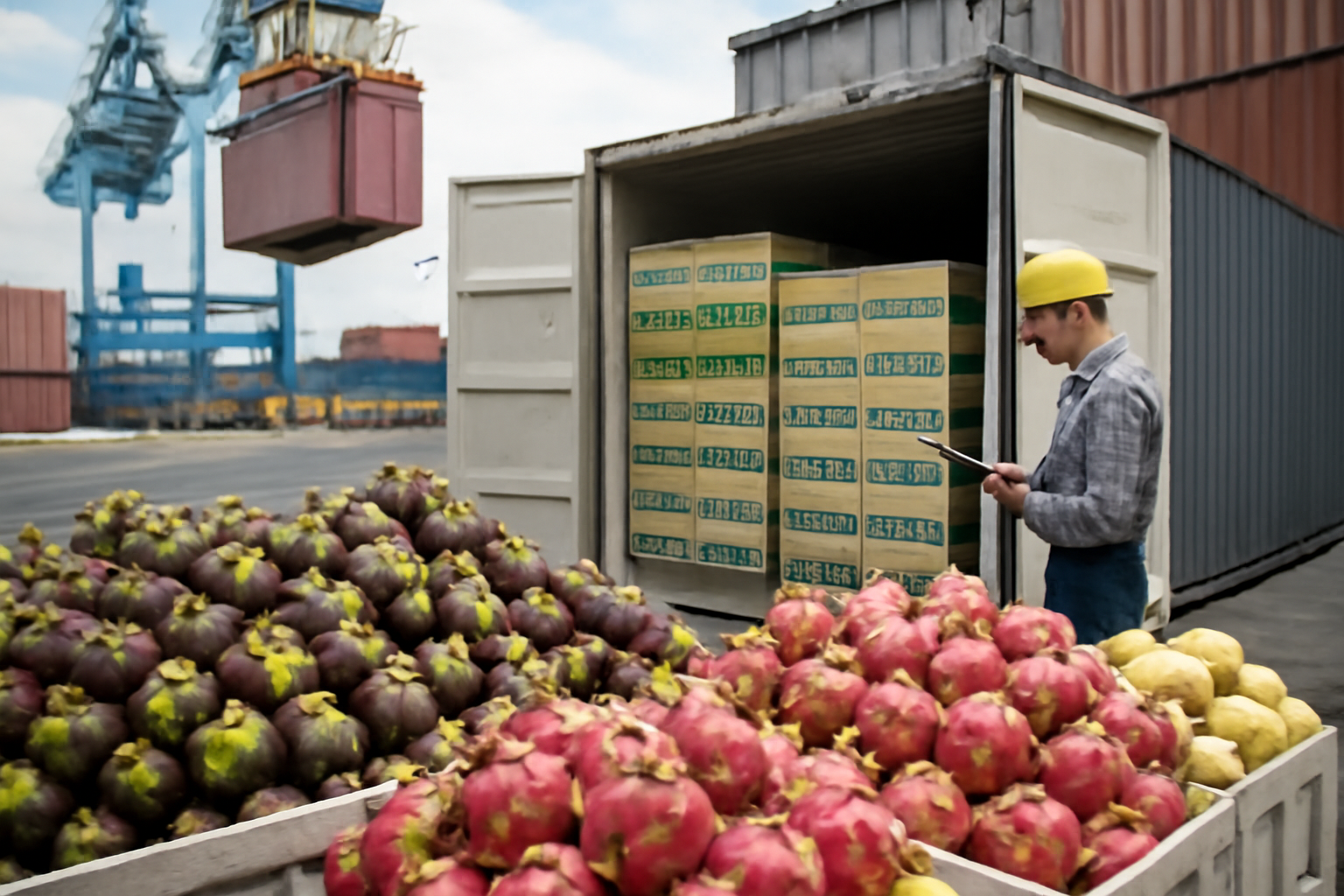
Thailand’s tropical fruit industry faces a recurring challenge around the middle of each year, when produce from several growing regions enters the market at the same time. Prachachat reports that the seasonal flow includes longan, mangosteen, durian, pomelo and mango. This concentration of supply increases the need to move substantial volumes through domestic and export channels within a limited marketing period.
The issue is broader than handling a temporary surplus. When several fruits arrive together, growers, traders, packers and exporters compete for buyers, transport capacity and access to sales channels. Importers also have to judge how much fruit their markets can absorb while maintaining product quality. The simultaneous availability of different products can create opportunities for broader sourcing, but it also raises the risk that commercial decisions will be driven by the urgency to clear seasonal supply.
From clearing fruit to creating demand
The emerging industry argument is that Thailand should move beyond treating each harvest as a seasonal offloading exercise. Market development requires buyers to be cultivated before volumes peak, with demand built for individual fruits rather than relying on short-term campaigns after produce has already reached the market. That distinction matters for highly seasonal supply chains, where delays between harvesting, packing, transport and sale can quickly weaken commercial options.
For exporters, deliberate market building means understanding which destinations and customer groups can take durian, longan, mangosteen, pomelo or mango, instead of treating tropical fruit as a single category. Each product has different handling requirements and consumer demand. A market that accepts one Thai fruit will not automatically absorb another in the same period. Developing separate channels can therefore reduce competition among Thai products when their seasons overlap.
Trade planning becomes central
The mid-year concentration also makes coordination across the supply chain more important. Export programs need to connect expected availability with orders, packing operations and transport arrangements. Domestic sales remain part of the equation, but seasonal pressure cannot be resolved sustainably if the sector begins searching for outlets only after fruit has accumulated.
For overseas importers, earlier planning can provide a clearer view of the range of Thai fruit available during the seasonal peak. It can also help buyers organize promotions and distribution around specific products. Exporters, meanwhile, gain more visibility over demand and can avoid presenting several fruits to the same customers without a defined sales plan.
A broader commercial objective
Thailand’s challenge is not simply to sell the fruit that appears each mid-year. It is to establish markets that return when the next crop arrives. Prachachat’s framing of the issue reflects a shift from emergency disposal toward creating durable demand. That approach places greater weight on buyer relationships, product-specific positioning and advance preparation.
No production, price or export figures were included in the available source material, so the scale of the current season cannot be quantified. The commercial direction is nevertheless clear: simultaneous regional supply makes reactive selling risky. For growers and exporters, stronger recurring markets would provide more dependable outlets. For importers, closer seasonal planning would improve access to Thailand’s range of longan, mangosteen, durian, pomelo and mango without treating the mid-year arrival as an unexpected glut.