Thai diesel hits 18-year high as lawmaker demands end to Singapore price peg
Retail diesel in Thailand reached 41.44 baht, the highest in 18 years, prompting United Thai Nation Party MP Atthawit Suwanpakdee to demand the Energy Ministry stop referencing Singapore prices. He warned that the Oil Fuel Fund is already 92 billion baht in deficit and that subsidies for biofuel blends face a legal deadline on 24 September.
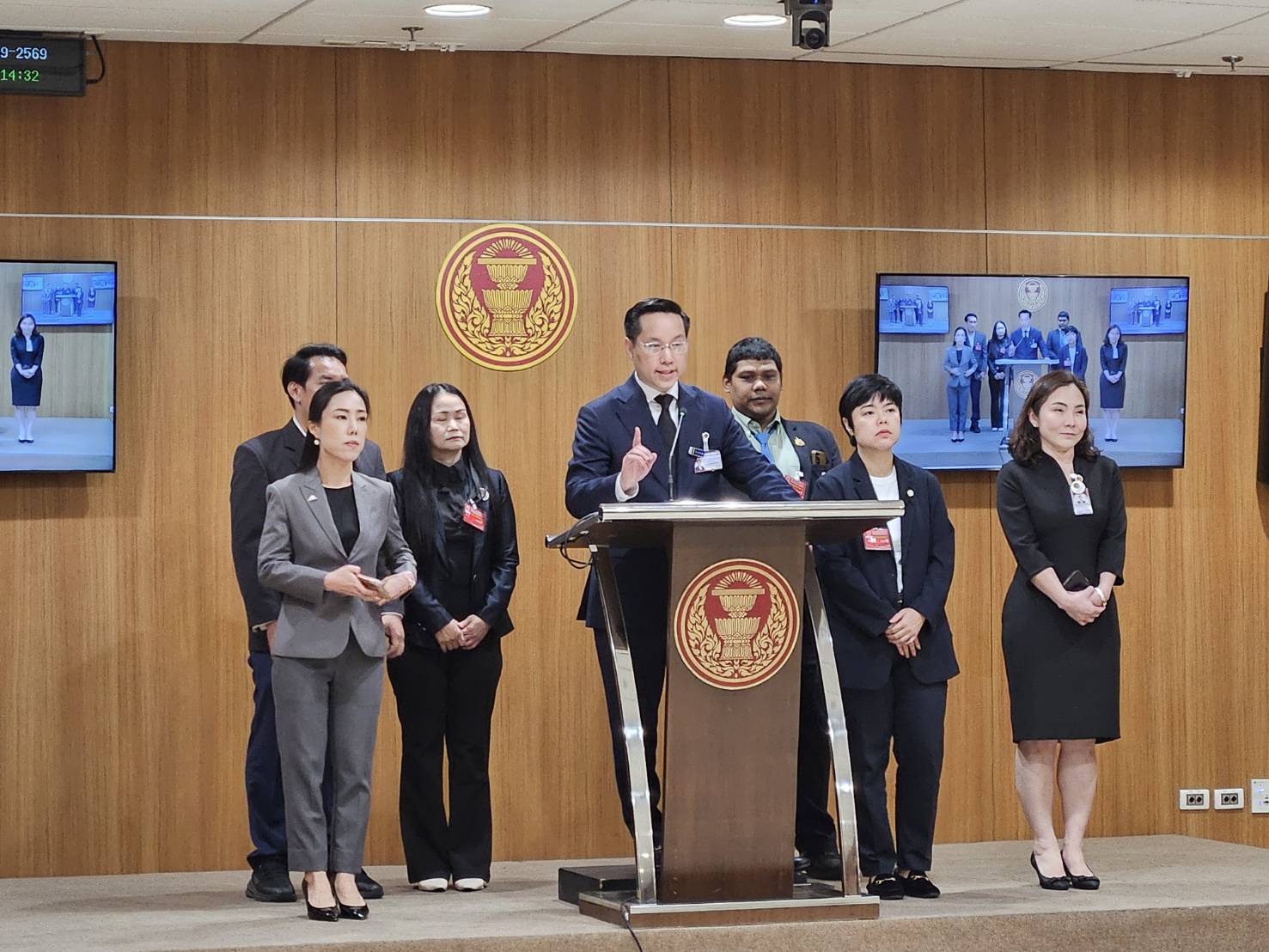
Retail diesel in Thailand has reached 41.44 baht, the highest level in 18 years, and a lawmaker from a governing-side party is pressing the Energy Ministry to abandon the Singapore price reference that underpins domestic fuel pricing. Atthawit Suwanpakdee, a party-list MP for the United Thai Nation Party, made the demand at a press conference at Parliament on 24 September, Daily News reported.
A benchmark under fire
According to Daily News, Suwanpakdee said the Energy Ministry still uses a notional Singapore price as the basis for domestic selling prices. That reference was defensible when Singapore functioned as a straightforward selling market, he argued, but the price now swings too sharply and the mechanism has become distorted. The correct anchor, in his view, is crude.
He built his case on a comparison. In 2022, when Dubai crude traded at 112 dollars a barrel, diesel in Thailand cost 35 baht. Applying the same Dubai crude price today, he said, Thai diesel stands at 41.44 baht, more than 6 baht higher, which he attributed to the distortion in the Singapore selling-price mechanism. He also linked the volatility to the remaining two years of Donald Trump's term as US president, arguing that price swings will continue.
Suwanpakdee added that Singapore is an export market and therefore has an interest in keeping export prices high while compensating its own consumers, whereas Thailand consumes most of its fuel domestically and exports comparatively little. On that basis, he said, Thailand needs to supervise and regulate fuel prices directly rather than copy Singapore's pricing logic.
Three money taps, all constrained
The MP argued that the instruments available to cushion pump prices are running out of room:
- Borrowing: Korn Chatikavanij of the Democrat Party had asked why part of the 200 billion baht loan facility is not used. Suwanpakdee said that is not viable, because drawing 50 billion baht would last only a limited number of days and the emergency loan decree expires in September 2027, by which time the pressure would still be in place.
- Taxation: a deep cut in excise duty would undermine revenue projections for the 2027 budget year and leave state spending underfunded.
- The Oil Fuel Fund: the fund is currently 92 billion baht in deficit and, on his estimate, will touch 100 billion baht next week.
All three, he said, function only as ways to inject money while the Singapore reference remains in place.
Biofuel subsidies hit a legal deadline
Suwanpakdee also flagged 24 September 2026 as the expiry of the provision under the Oil Fuel Fund Act of 2019 that allowed fund money to be used for compensation. Section 55 of that law, he said, bars the fund from subsidising fuel containing a biofuel component, yet the most recent cabinet meeting, held on Tuesday, sought a resolution to draw further fund money for support.
He said he had warned the energy minister repeatedly about the palm oil dimension of the problem, noting that palm prices remain high, and that without a rapid legal fix the use of fund money to cover biofuel blends would move into illegal territory after that date. He had expected a temporary emergency decree extending the biofuel provision, he said, but none was issued. In his assessment, running energy policy this way would damage fiscal policy and the wider economy.
A price ceiling instead of a float
As an immediate remedy, Suwanpakdee pointed to the Ministry of Commerce, which holds the authority to set prices for controlled goods. Fuel already carries controlled-goods status, he said, but no rate has ever been announced. Because a 1991 cabinet resolution requires pricing to follow world market levels, the Commerce Ministry would need to take the matter back to cabinet to amend that resolution and then declare a maximum price ceiling, as is done for instant noodles and vegetable oil.
The ceiling figure itself would have to come from the Energy Policy and Planning Office within the Energy Ministry, which would submit the number to Commerce for announcement and cabinet approval. Instead, he said, the Energy Ministry is letting prices float upward with no ceiling while retaining the Singapore reference, which will pull other consumer goods prices up with it. Asked about coordination between the two ministries, he called the situation disappointing, noting that the Energy Ministry was separated from Commerce around 2002 while price-control powers stayed with Commerce, which cannot act without data from the Energy Policy and Planning Office. He also criticised the practice of the minister pushing down refining margins on a weekly or monthly basis, saying it makes prices a matter of ministerial discretion and leaves room for speculation.