Thailand biofuel proposal targets SAF, HVO and agricultural feedstock growth
A proposed overhaul of Thailand’s energy sector would use cassava, molasses, palm oil and agricultural waste to expand advanced fuel production. The plan builds on installed ethanol and biodiesel capacity exceeding 17.28 million liters per day and targets aviation, shipping and cross-border logistics.
Agriculture positioned as the feedstock base
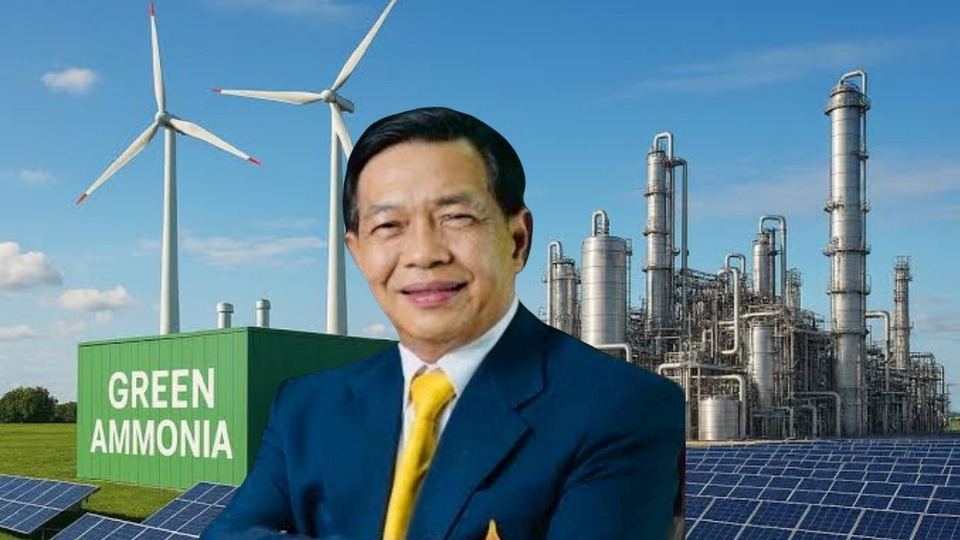
Thailand could use its agricultural sector to develop a larger advanced-biofuel industry serving aviation, road freight and maritime transport, under an energy reform proposal presented by Alongkorn Ponlaboot. Siam Rath reported that Ponlaboot, known as “Mr. Ethanol” and chairman of the FKII Institute, published the proposal on July 14, 2026.
Thailand currently has combined installed biofuel capacity of more than 17.28 million liters per day. Its 28 operating ethanol plants account for 7.02 million liters per day, using mainly domestically produced cassava and molasses. Another 16 operators have combined installed B100 biodiesel capacity of 10.26 million liters per day, supported by a palm-oil supply chain ranked among the world’s top three, according to the proposal.
Ponlaboot argues that ethanol should move into higher-value applications including fuel cells and alcohol-to-jet conversion for sustainable aviation fuel, or SAF. The proposal estimates that available feedstock could support annual growth of more than 15% in ethanol-based SAF production capacity. This would create another outlet for agricultural materials while linking Thai suppliers to aviation-fuel and biochemical demand.
HVO, waste fuels and biomass exports
The biodiesel industry’s proposed next step is commercial production of hydrotreated vegetable oil, or HVO. The fuel is described as chemically equivalent to fossil diesel while reducing greenhouse-gas emissions by as much as 80-90%. An initial target calls for at least 1 million liters of daily HVO capacity for cross-border heavy transport and large agricultural machinery.
The plan also proposes converting wastewater from cassava-starch plants, pineapple stems and animal manure into compressed biomethane for injection into Thailand’s main gas grid. For solid biomass, it points to more than 1,700 megawatts of combined biomass and waste-fired generation and proposes expanding wood-pellet exports to Japan and South Korea while preparing suppliers for the EU Deforestation Regulation.
Aviation would provide an immediate demand channel. Airports of Thailand is pursuing lower-carbon airports, and the proposal cites an initial 1% SAF blend equal to 250,000-300,000 liters per day. For maritime trade, it identifies the Laem Chabang phase-three expansion, valued at 110 billion baht and designed to raise capacity to 18 million TEU per year, as a potential clean-fuel gateway.
Ports and infrastructure widen the trade angle
The 55-billion-baht third phase of Map Ta Phut port could help convert oil storage capacity exceeding 8 billion liters into bunkering infrastructure for green ammonia and green methanol. These fuels are proposed for international merchant fleets, potentially giving Thailand a role in supplying cleaner marine fuels within Southeast Asia.
The wider framework connects renewable electricity, vanadium redox flow batteries, green hydrogen and synthetic fuels. It calls for direct power-purchase agreements, third-party access to transmission networks and a first-phase green-finance program of 10 billion baht for vanadium storage. These are recommendations rather than confirmed investment commitments.
For commodity traders, the central issue is whether new fuel demand changes the domestic balance for cassava, molasses, palm oil, wood pellets and agricultural residues. Higher conversion capacity could strengthen local feedstock demand, but export opportunities will depend on project financing, sustainability certification and implementation of the proposed SAF, HVO and marine-bunkering infrastructure.