Toyota Sees Thai Auto Recovery as Imported EV Growth and Pickup Weakness Raise Tax Concerns
Toyota expects Thailand’s automotive market to recover, but the Federation of Thai Industries is concerned that growth is concentrated in imported electric vehicles. The federation is calling for tax reform as Thailand’s domestically produced pickup segment weakens.
Recovery outlook diverges across vehicle segments
Toyota expects Thailand’s automotive market to recover, offering a more positive outlook for an industry facing uneven demand across vehicle categories. The assessment concerns the direction of the market in August 2026, but the available information provides no forecast for sales, production or the timing of a broader recovery.
The Federation of Thai Industries, or FTI, is more cautious. It is concerned that sales growth may be concentrated in imported electric vehicles rather than spread across the country’s automotive manufacturing base. That distinction matters in Thailand, where vehicle assembly and the surrounding supplier network are important parts of domestic industry.
Imported EV sales create a mixed picture
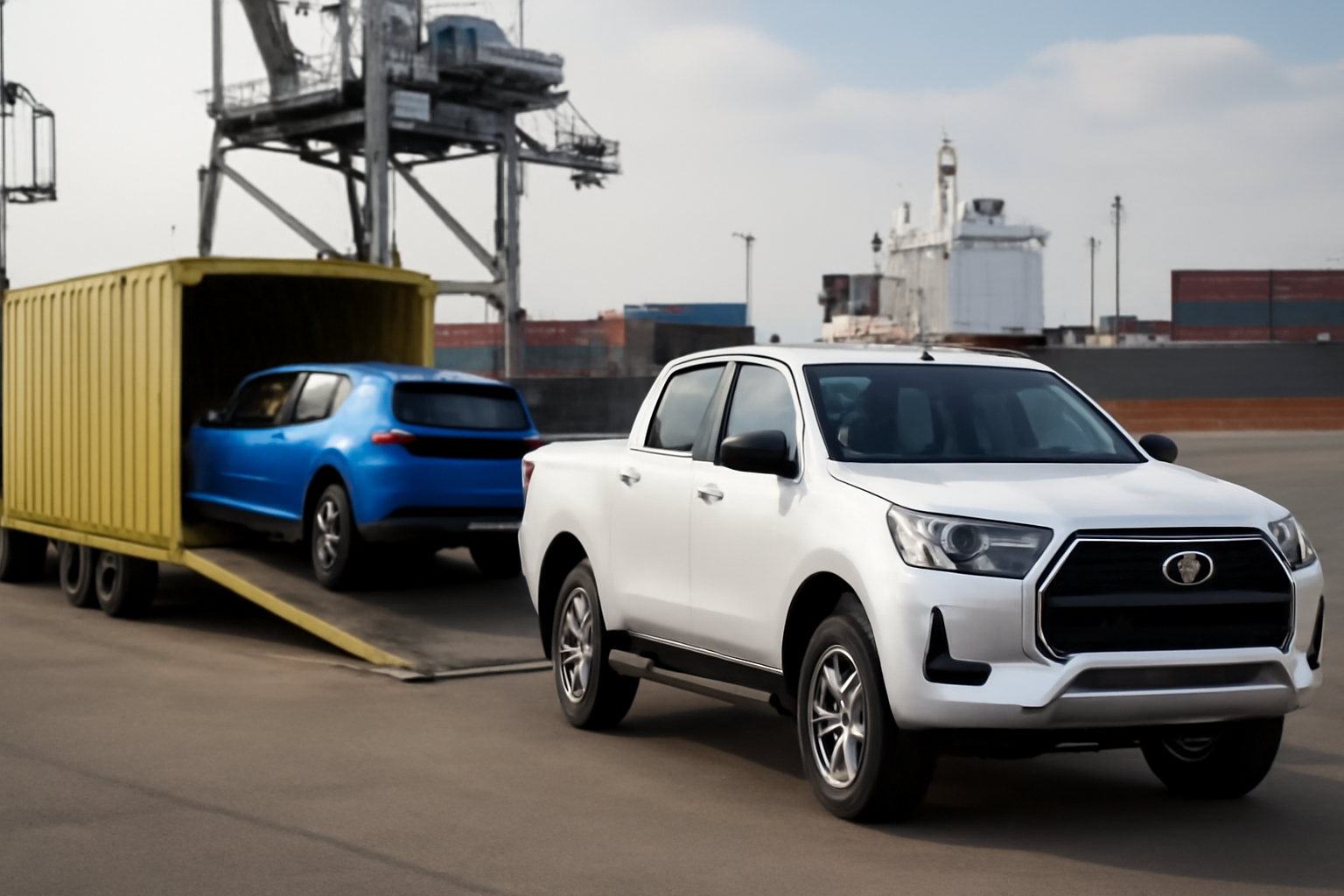
Higher sales of imported EVs can expand consumer choice and accelerate the adoption of electric mobility. However, growth driven mainly by finished-vehicle imports does not necessarily translate into equivalent orders for Thai assembly plants, parts manufacturers or logistics companies serving domestic production.
The difference between market growth and manufacturing growth is therefore central to the industry debate. Importers and EV distributors may benefit from rising demand, while local producers remain exposed if capacity utilization and orders for domestically manufactured vehicles fail to recover. Parts suppliers can face an additional challenge because EV supply chains and component requirements differ from those of combustion-engine vehicles.
Pickup weakness challenges Thailand’s production base
FTI has highlighted the severe weakness of pickup trucks, a segment described as one of Thailand’s product champions. A continued downturn in pickups would affect more than vehicle brands. It would also pressure component makers, dealers, financing providers and other businesses tied to the domestic production ecosystem.
The federation is urging the government to revise the automotive tax structure so that it treats manufacturers more fairly. The policy question is not simply whether EV demand should receive support, but whether incentives and taxes encourage investment and production in Thailand or primarily stimulate imports of finished vehicles.
Tax policy will shape the quality of the recovery
For producers and investors, a sustainable recovery would require improvement beyond imported EV sales. Demand for locally assembled vehicles, including pickups, would need to stabilize if the rebound is to support factories and suppliers. Without that broader improvement, headline sales could recover while domestic manufacturing remains under pressure.
The contrasting positions from Toyota and FTI are not necessarily contradictory. Toyota is addressing the direction of the overall market, while FTI is questioning where growth occurs and which companies capture its value. The next phase of Thailand’s automotive policy will need to balance EV adoption, competition and support for domestic manufacturing without insulating producers from market change.