Thailand approves 11,400-tonne skimmed milk powder import quota for 11 companies
Thailand’s Milk Board has allocated a combined 11,400-tonne skimmed milk powder import quota to 11 companies for 2026. The second-round allocation falls under the TAFTA–TNZCEP trade framework.
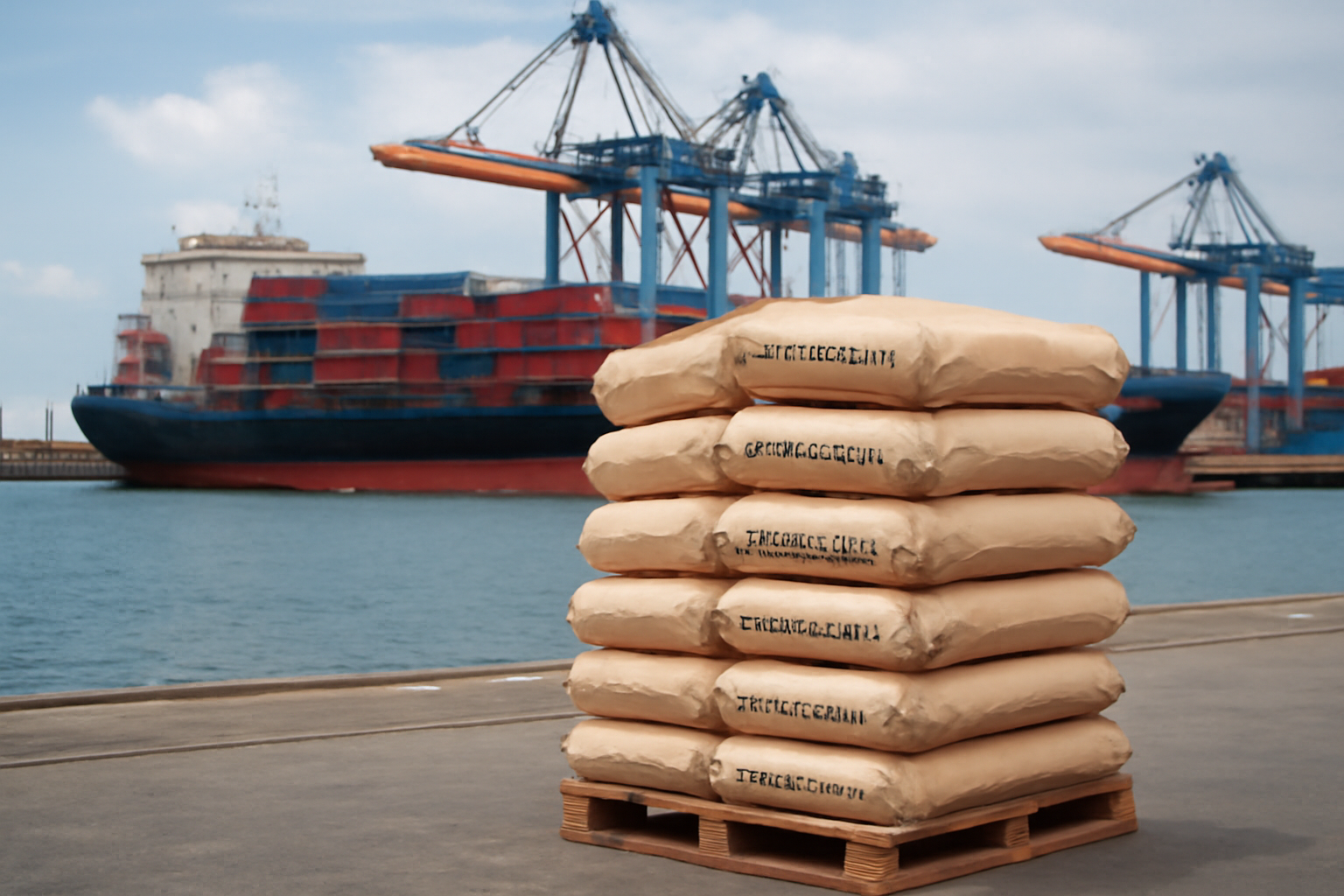
Milk Board allocates 2026 import volume
Thailand’s Milk Board has approved a combined quota of 11,400 tonnes for imports of skimmed milk powder in 2026. Eleven private companies received allocations in the second application round conducted under the TAFTA–TNZCEP trade framework.
The decision establishes how much skimmed milk powder the approved companies may bring into Thailand through the quota arrangement. The available information identifies FrieslandCampina, F&M, Danone, Dairy Plus and Mary Anne among the companies involved. The names of the other recipients and their individual allocations were not provided in the source material.
The quota applies specifically to skimmed milk powder, an industrial dairy ingredient used by food and beverage manufacturers. It does not indicate that the entire approved volume will necessarily be imported, as actual purchases will depend on the commercial requirements and procurement decisions of the participating companies.
Allocation sits within two trade frameworks
The 2026 allocation is being administered under the framework connecting the Thailand–Australia Free Trade Agreement, known as TAFTA, and the Thailand–New Zealand Closer Economic Partnership, or TNZCEP. Australia and New Zealand are therefore the relevant partner countries within the stated quota framework.
The announcement concerns access to an import quota rather than a report of completed trade. No information was supplied on shipment schedules, suppliers, origin shares, contract prices or the distribution of the 11,400 tonnes between Australia and New Zealand. The source material also did not disclose the tariff treatment attached to the allocation.
For approved importers, the quota provides a defined channel for arranging 2026 supplies. Processors can use that access when planning ingredient procurement, but the commercial effect will vary according to each company’s allocation and actual use. Those company-level figures have not been published in the material provided.
Implications for Thailand’s dairy supply chain
The involvement of 11 companies spreads the approved volume across several private-sector participants rather than assigning it to a single importer. The listed businesses include companies active in dairy products and food manufacturing, making the allocation relevant to industrial users as well as firms managing imported dairy ingredients.
For domestic producers and processors, the central figure is the authorized volume of 11,400 tonnes. It sets the maximum combined access disclosed for this application round, while leaving open how much product will enter the market and when. Importers, overseas suppliers and Thai milk-sector participants will consequently need company-level allocations and subsequent shipment data to assess the full effect on procurement and competition.