Thailand advances second global integrated hub for sugarcane-based bioplastics
Thailand is accelerating its bio-industry strategy by developing Nakhon Sawan as an integrated production base for sugarcane-based bioplastics. The project is intended to create more value from domestic agriculture, support new industries and position the country as an ASEAN bioeconomy hub.
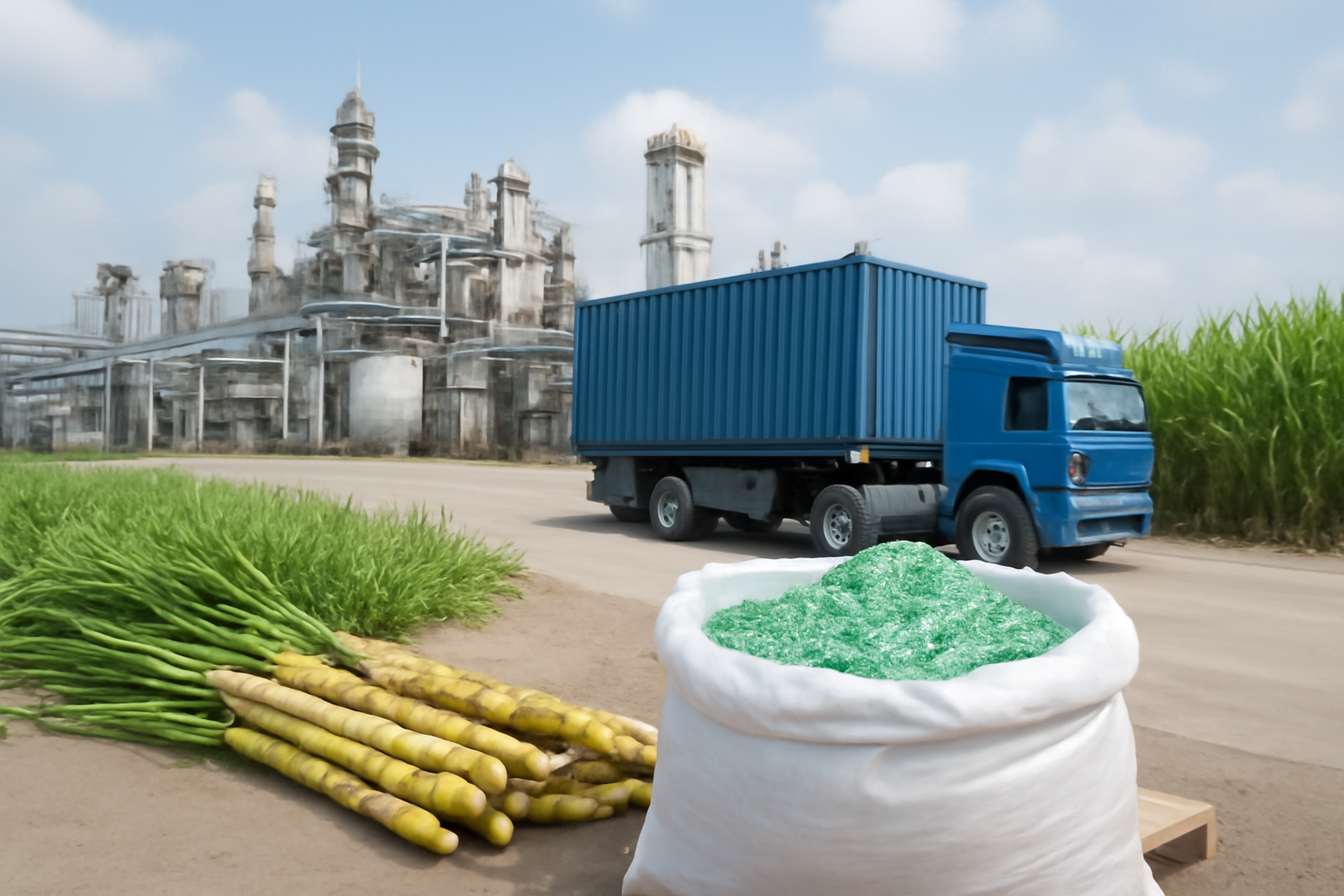
Thailand targets higher value from sugarcane
Thailand is accelerating the development of its bio-industry, with sugarcane-based bioplastics at the center of a plan to create more value from agricultural production and compete in global markets. The country aims to establish itself as a bio-industry hub for the Association of Southeast Asian Nations, linking its agricultural base with emerging materials manufacturing.
Nakhon Sawan has been designated as the location for an integrated bioplastics production base. The project is described as the second fully integrated bioplastics production base of its kind in the world. Its proposed role extends beyond manufacturing finished plastic products: the broader objective is to connect agricultural raw materials, biological processing and industrial production within one domestic value chain.
For Thailand’s sugarcane sector, the strategy offers a route to diversify beyond conventional uses of the crop. Converting sugarcane into inputs for bioplastics could give producers and processors access to demand from industries seeking materials derived from renewable agricultural resources. The available information does not specify the project’s investment, production capacity, construction schedule or expected operating date.
Nakhon Sawan anchors an integrated supply chain
Locating the production base in Nakhon Sawan places agricultural value creation at the center of the industrial policy. An integrated facility could support closer coordination among sugarcane growers, feedstock processors, chemical producers and manufacturers of finished bioplastic materials. The commercial effect will depend on how efficiently the project converts domestic crops into materials that meet the technical and price requirements of industrial buyers.
The initiative also supports the development of new industries around Thailand’s existing agricultural output. Rather than relying only on sales of raw or lightly processed commodities, the strategy seeks to retain more processing and manufacturing value inside the country. That could broaden the group of companies participating in the sugarcane economy, although no specific investors, technology providers or intended customers were identified in the supplied material.
Supply reliability will be important for the project’s competitiveness. Bioplastics producers require consistent feedstock quality and volumes, while farmers and processors need predictable industrial demand. The formation of an integrated production base may help align these requirements, but its market position will ultimately depend on production costs, product performance and the ability to secure buyers.
ASEAN hub ambitions meet global competition
Thailand’s push places bioplastics within a wider effort to strengthen its role as an ASEAN bio-industry center. A domestic chain running from sugarcane to processed materials could serve both local manufacturing and potential international markets. However, the supplied information provides no figures on anticipated exports, destination countries or expected trade volumes.
The environmental case is another stated part of the policy. Thailand presents sugarcane-based bioplastics as a means of supporting efforts to reduce global warming while creating additional value for agriculture. The actual environmental outcome will depend on production methods, energy use, product design and end-of-life management, none of which were detailed.
For producers, processors and investors, the next decisive information will concern capacity, financing, technology and commissioning. Until those details emerge, the Nakhon Sawan project is best viewed as a clear statement of industrial direction: Thailand wants to use sugarcane not only as an agricultural commodity, but also as the foundation for a higher-value materials industry with regional ambitions.