Thai Plastic Recycle Group secures US FDA clearance for food-contact rPET flakes
Thai Plastic Recycle Group has received a No Objection Letter from the US FDA for its recycled PET flakes. The decision covers direct food-contact packaging, food films, shopping and product bags, and non-food-contact layers in multilayer packaging.
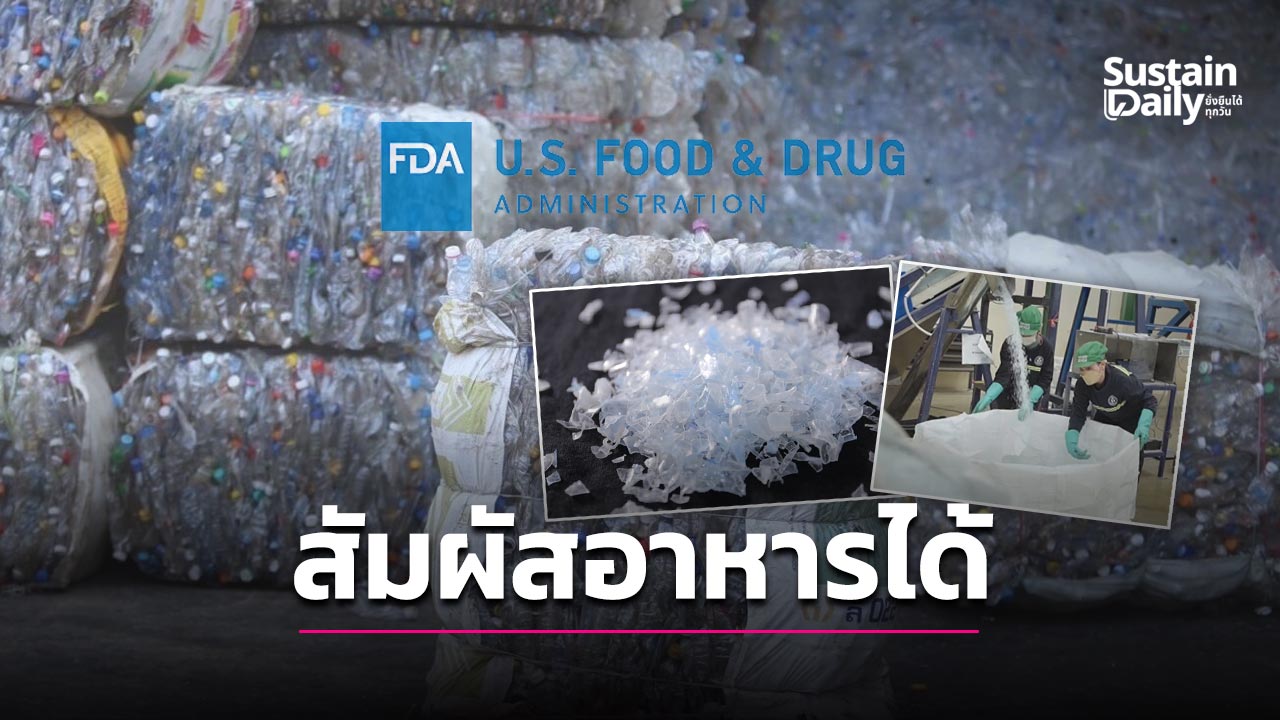
FDA decision covers food-contact applications
Thai Plastic Recycle Group has received a No Objection Letter from the US Food and Drug Administration for its recycled polyethylene terephthalate flakes, according to Thailand’s Daily News. The decision gives the Thai recycler an important regulatory basis for supplying rPET material intended for a range of packaging applications, including products that come into direct contact with food.
The FDA assessment covered the company’s mechanical recycling process, its evaluation of feedstock sources and its production procedures. The resulting clearance allows the recycled flakes to be used safely in direct food-contact packaging for both raw and processed foods, as well as in films used to wrap different categories of food packaging.
The approved applications also include shopping bags and bags for packaged goods. In multilayer packaging, the material can be used in layers that do not come into contact with food, providing another outlet for recycled PET in packaging structures designed to reduce the use of virgin material.
Clearance strengthens access to packaging customers
Thai Plastic Recycle Group specializes in processing post-consumer PET bottles and plastic bottle caps into high-quality recycled flakes. The FDA letter validates the controls applied across the company’s recycling chain, from the selection of used packaging through mechanical processing and final production.
Chief executive Pongsak Juengrungruangwattana said the decision confirms the production standards and quality of the company’s rPET flakes. He added that it should strengthen confidence among domestic and international business partners and support the company’s participation in the international circular economy.
For packaging buyers, regulatory acceptance is particularly relevant when recycled polymers are intended for sensitive uses. The clearance broadens the range of potential customers that can assess the Thai company’s flakes for food packaging, films, bags and multilayer formats. It also improves the producer’s ability to approach the US market, although Daily News did not disclose production capacity, expected sales volumes, customer contracts or a timetable for commercial shipments.
Company targets wider international opportunities
Pongsak said products made with recycled materials are gaining a more significant market role as brand owners and consumers pay closer attention to plastic waste. The company views the FDA decision as preparation for global demand and as an opportunity to improve its competitiveness in the United States.
Thai Plastic Recycle Group also plans to apply the safety criteria and experience associated with the decision when pursuing opportunities in other countries. However, access to individual markets will continue to depend on local food-contact rules, customer qualification procedures and the technical requirements of each packaging application.
The company said it would continue recycling used plastic bottles into higher-value resources, linking waste reduction with business growth. The FDA clearance expands the potential end-use portfolio for its rPET flakes, but commercial impact will depend on the recycler’s ability to secure packaging customers and deliver consistent material that meets their specifications.