Thai palm oil output falls 20-30% as drought intensifies competition for fruit
Thailand’s oil palm harvest is running 20-30% below normal after earlier drought and El Niño conditions, tightening raw material supplies for crushing mills. Fresh fruit bunch prices have risen to 9.80 baht per kilogram as growers call for retail bottled palm oil prices to follow the market.
Drought leaves mills competing for limited fruit
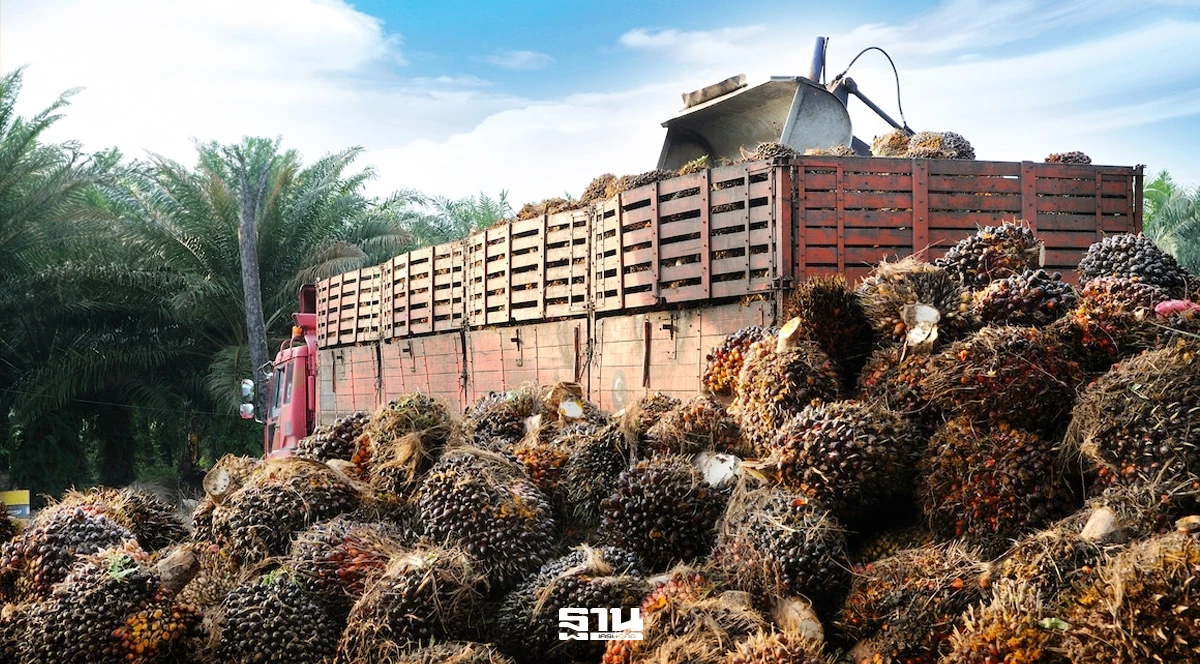
Thailand’s palm oil market is tightening as the effects of earlier drought and El Niño conditions reduce the volume of fruit reaching processors. Oil palm production is running 20-30% below normal, particularly in the country’s southern growing region, according to Than Settakij.
Manat Phuttharat, president of the Oil Palm Farmers Federation of Thailand, told the publication that only about 1.1 million tonnes of oil palm output is expected to circulate in the market during the second half of 2026. The decline has created a seasonal shortage known locally as a gap in bunch formation, leaving mills with less raw material than usual.
Extraction plants and collection yards are consequently competing more aggressively for available fresh fruit bunches. Buying prices have climbed to 9.80 baht per kilogram, providing growers with a higher unit price but leaving processors exposed to rising feedstock costs and weaker utilization if sufficient fruit cannot be secured.
Higher prices offset lost volumes
Manat said the stronger fruit price should not be interpreted as a windfall for farmers. In his assessment, the additional revenue per kilogram merely compensates for the 20-30% reduction in saleable output. Growers may therefore receive more for each delivery without recording a comparable increase in total farm income.
The supply contraction also creates a difficult pricing question further down the chain. The Ministry of Commerce can influence the price of bottled cooking palm oil, a sensitive consumer product. Farmers are concerned that keeping retail prices below levels justified by raw material costs would transfer the burden of consumer support to plantations and processors.
Manat called on the government to allow bottled palm oil prices to float within a realistic ceiling and respond to supply and demand. He argued that lower-income households could instead receive targeted support through Thailand’s state welfare card or the government’s Blue Flag program for discounted goods, avoiding broad price suppression at the production end of the chain.
Stock data will guide market management
The debate will depend partly on the amount of palm oil already held in the domestic system. Thailand’s real-time stock reporting mechanism remains in operation, with companies continuing to submit inventory information so that the government and other market participants can assess the latest supply balance.
Accurate stock figures will be important for determining whether the current shortage is limited to fresh fruit or is beginning to constrain refined cooking oil availability. They will also shape decisions on retail pricing and any measures intended to balance the interests of growers, crushers and consumers.
For mills, the immediate challenge is securing enough fruit to keep extraction lines operating while the harvest remains depressed. For farmers, the 9.80-baht price offers partial protection against lost volume, but their earnings still depend on how long the production decline lasts. The market’s direction in the second half of 2026 will therefore be driven by the pace of crop recovery, verified inventories and the government’s response to calls for more flexible bottled-oil pricing.