Federal probe targets Texas Gulf Coast fertilizer plants over alleged market manipulation
The U.S. Department of Justice is investigating whether decades of mergers turned the fertilizer industry into an illegal monopoly, with Texas Gulf Coast plants at the center. Prices topped $1,600 a ton after 2021 and rose more than 25% again after the U.S. strike on Iran, squeezing farmers.
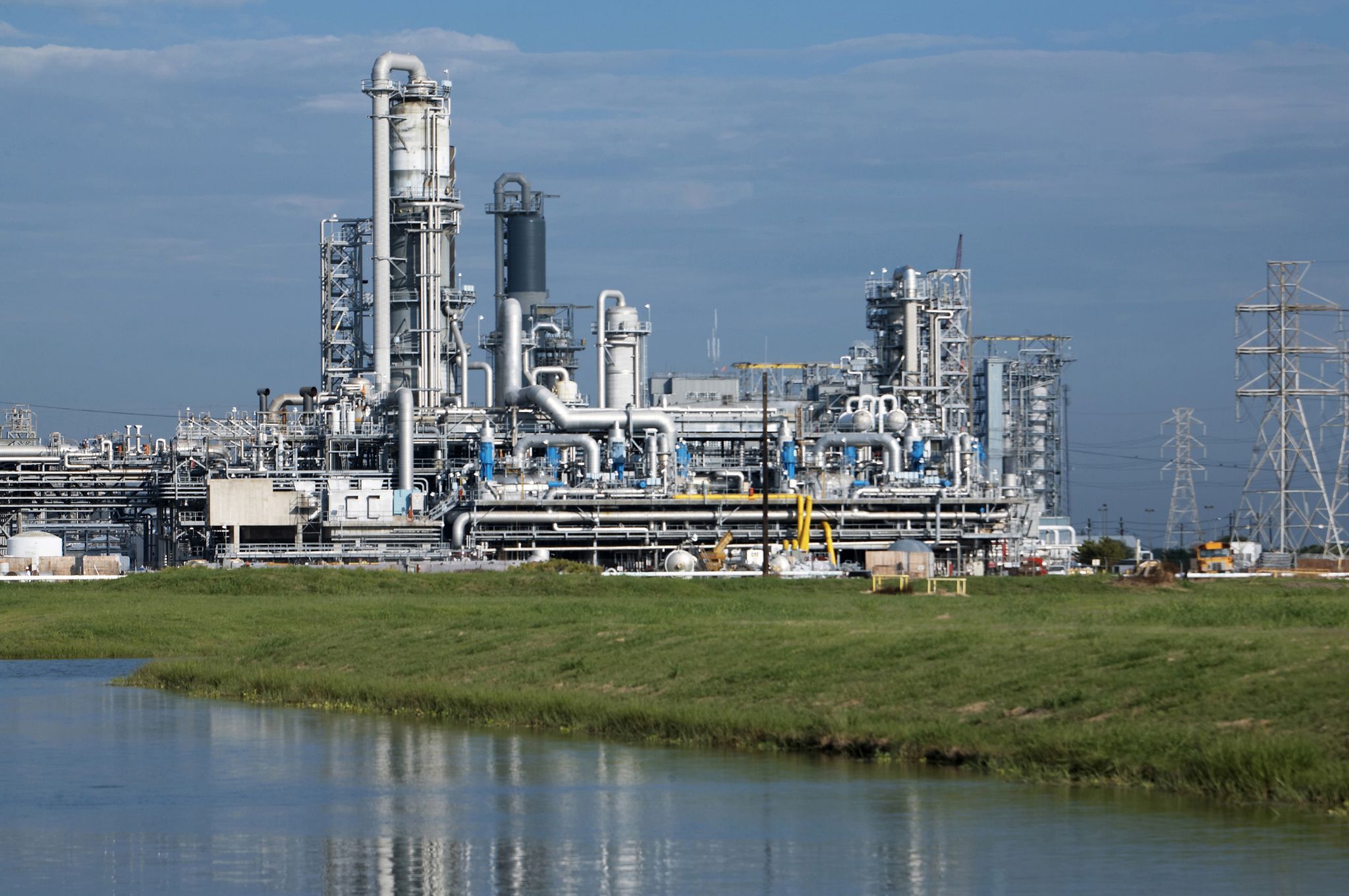
Federal probe examines fertilizer pricing along the Texas Gulf Coast
Fertilizer plants along the Texas Gulf Coast have become the focus of a federal inquiry into alleged market manipulation, the Houston Chronicle reported, as recent price spikes leave farmers struggling to afford the chemicals they need to grow their crops. The U.S. Department of Justice has requested information from fertilizer companies as prosecutors investigate whether a series of corporate mergers over recent decades has turned the industry into an illegal monopoly that is gouging farmers.
The scrutiny extends to Congress. The U.S. Senate is weighing bills that would require companies across the fertilizer supply chain to release their sales data to regulators, with similar legislation under consideration in the House. President Donald Trump addressed the issue on social media last month, writing that 'the United States will not accept PRICE GOUGING from the fertilizer monopoly.' Senate Majority Leader John Thune said a small number of manufacturers hold the lion's share of production and that 'there's structural things that need to be addressed.' The industry rejects the allegations, arguing that market forces are responsible.
Price spikes and supply shocks
Fertilizer prices have not returned to earlier levels since global supply chains were disrupted, according to the Houston Chronicle. The report linked two shocks in particular to the current strain on farmers:
- Following the 2021 Russian invasion of Ukraine, prices spiked to over $1,600 a ton and never came back down to where they had been before the conflict.
- After the U.S. launched an attack on Iran in late February, clogging supply lines through the Strait of Hormuz, prices rose again — by more than 25% in some cases.
Fertilizer typically accounts for around a third of a farm's expenses, said Russell Boening, president of the Texas Farm Bureau, who farms outside San Antonio. He said the increases of the past two or three months had 'added fuel to the fire' and warned that cutting fertilizer use to save money carries production risks.
Lawsuit alleges 'managed scarcity'
In March, Union Line Farms, an Iowa-based corporation, filed a federal lawsuit in Colorado accusing the country's largest fertilizer companies — including CF Industries, Koch Agronomic Services, Mosaic and Nutrien — of a 'conspiracy' to cut production and keep prices high. 'In a competitive market, record-high prices would have triggered a rapid and sustained supply response. That did not occur here,' the complaint states, describing the situation as 'managed scarcity.' Consolidation in the U.S. fertilizer sector stretches back decades, driven partly by competition from overseas suppliers that pushed domestic companies to merge.
Industry points to global forces
Veronica Nigh, an economist at The Fertilizer Institute, a Washington trade group, dismissed claims of insufficient competition and attributed the long-term price rise to external factors: conflicts in Eastern Europe and the Middle East, China's decision to cut fertilizer exports and Mr. Trump's tariff regime. 'Fertilizer markets are like oil markets; they're global commodities,' she said. Mark Welch, an agricultural economist at Texas A&M University, said price increases since 2020 correlated with industry consolidation but that causation was unclear.
Companies operating in Texas have tapped the state's cheap natural gas to produce nitrogen-rich ammonia; the BASF plant in Freeport began producing ammonia in 2018 under a joint operating deal with Norway's Yara. Nutrien and Yara have seen their share prices climb sharply. Fertilizer producers are resisting the Senate disclosure bills, arguing the measures focus too heavily on domestic production and too little on imports, which supply a large share of U.S. consumption.