Tesla’s Vietnam Entry Adds Pressure to a Fast-Growing Electric Vehicle Market
Tesla’s arrival is set to intensify competition in Vietnam’s increasingly crowded electric vehicle market. The market is estimated at $3.71 billion in 2026 and could reach $8.84 billion by 2031, creating opportunities for vehicle manufacturers and the domestic supply chain.
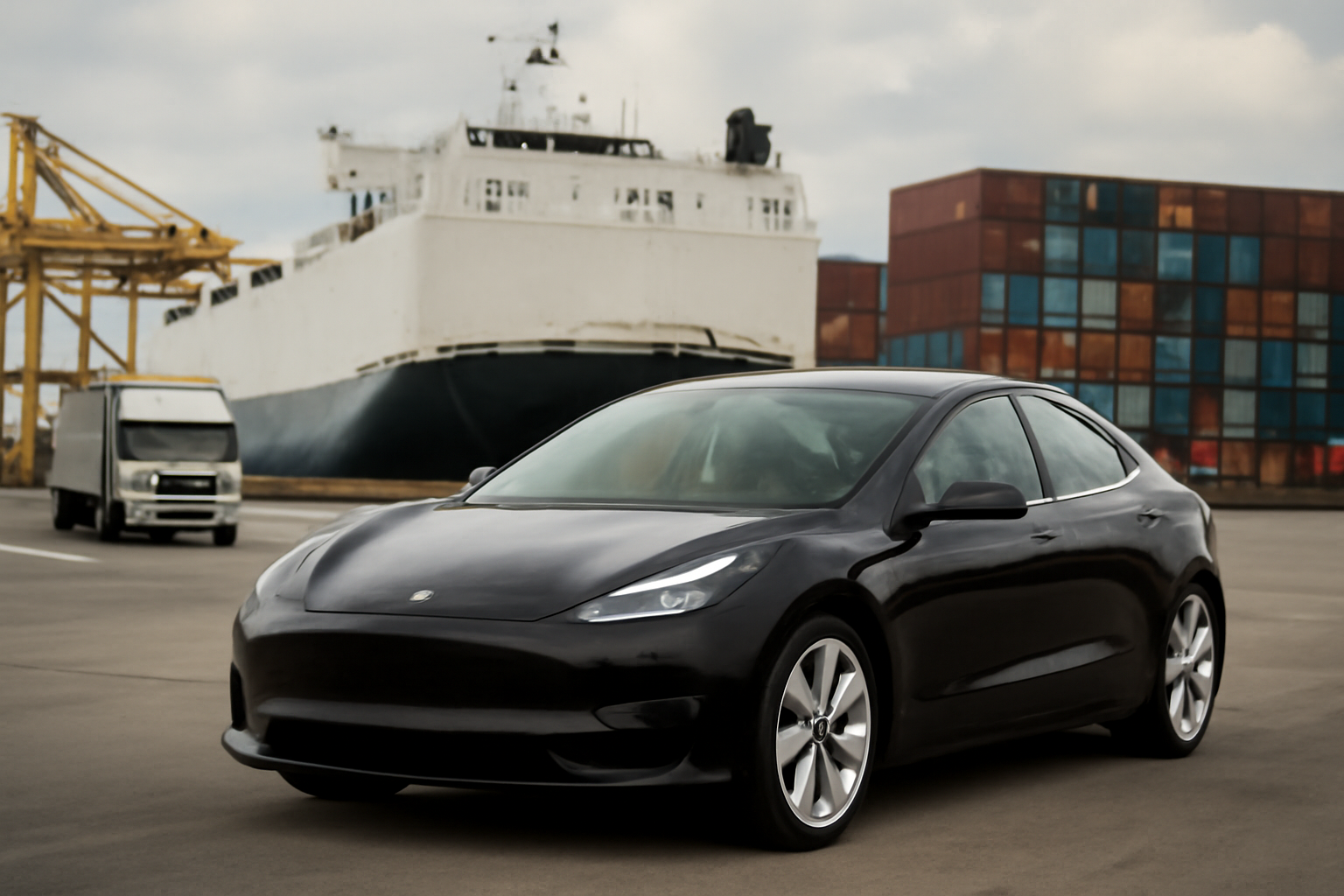
A larger opportunity attracts another major brand
Tesla’s entry into Vietnam adds a prominent international brand to an electric vehicle market that is already attracting considerable attention from global manufacturers. The country’s EV market is estimated to reach $3.71 billion in 2026 and could expand to $8.84 billion by 2031. That projected increase gives manufacturers, component suppliers, charging providers and investors a clear reason to assess their positions in Vietnam.
The opportunity is not limited to vehicle sales. Vietnam has domestic resources that could support the development of a broader electric vehicle industry. Combined with rising market interest and the presence of large automotive companies, those capabilities are creating conditions for the country to develop an EV manufacturing and services cluster in Southeast Asia.
Competition was already becoming crowded
Tesla will enter a market where domestic and international brands are already competing for customers. Its presence can raise pressure on pricing, product positioning, technology and after-sales service. For established companies, the challenge will be to defend market share while continuing to invest in vehicles and customer infrastructure. New entrants will need to show that their products fit local purchasing power, driving patterns and service expectations.
Brand recognition gives Tesla visibility, but it does not remove the practical barriers involved in building a sustainable position. Electric vehicles depend on more than the specifications of the car. Buyers also consider access to charging, maintenance, spare parts and reliable technical support. The companies able to connect vehicle sales with a dependable ownership experience will be better placed to convert market growth into recurring demand.
Investment may spread through the supply chain
A market potentially worth $8.84 billion by 2031 can support activity beyond final assembly and retail. Demand for batteries, electronic components, charging equipment, software, maintenance and logistics could grow alongside vehicle adoption. Domestic suppliers may gain opportunities to work with larger manufacturers, while international groups may evaluate partnerships, sourcing arrangements or local investment.
Tesla’s arrival therefore matters even before its long-term market share is known. It strengthens the signal that Vietnam is becoming a relevant destination for electric vehicle companies and may encourage competitors to accelerate their own plans. More brands can broaden consumer choice, but they can also compress margins and raise the cost of customer acquisition. The result is likely to be a more demanding market in which scale, pricing and service execution become increasingly important.
Execution will determine the winners
The projected expansion from $3.71 billion in 2026 to $8.84 billion in 2031 indicates substantial room for growth, but forecasts do not guarantee sales for any individual producer. Companies must still establish distribution, support customers and adapt their offers to local conditions. Manufacturers that rely only on global brand strength may struggle against rivals with stronger local networks or products designed around Vietnamese demand.
For producers and investors, the central question is how quickly the market can develop the infrastructure and supplier depth required to support sustained adoption. For importers and distributors, a larger field of brands brings more potential business but also greater inventory and pricing risk. Tesla’s entry makes the contest more visible; the commercial outcome will depend on which companies can combine competitive vehicles with reliable delivery, charging and after-sales support.