Tesla Takes Two-Thirds of South Korea’s Imported EV Registrations in July
South Korea registered 15,428 imported electric cars in July 2026, equal to 49.8% of all imported passenger-car registrations. Tesla’s Model Y and Model 3 generated 10,236 registrations, while domestic brands placed six models in the overall electric-vehicle top 10.
Imported market approaches an electric majority
Battery-electric vehicles accounted for almost half of South Korea’s imported passenger-car registrations in July 2026, highlighting the rapid expansion of the country’s electric segment and its dependence on a small number of high-volume models. According to the Korea Automobile Importers & Distributors Association figures cited by Auto Tribune, 15,428 imported electric cars were newly registered during the month. That represented 49.8% of all imported passenger-car registrations.
Tesla dominated this imported electric market. Registrations of the Model Y and Model 3 reached a combined 10,236 units, equivalent to roughly two-thirds of the imported electric total. The result shows that broader electric-vehicle adoption has not yet produced an equally distributed market: registrations remain heavily concentrated in Tesla’s two models.
Model Y establishes a wide lead
The Model Y was South Korea’s best-selling battery-electric model in July, with 8,705 registrations. It finished 5,238 units ahead of the second-ranked Kia EV3, which recorded 3,467. The Kia EV5 followed with 3,434 registrations, leaving a gap of only 33 units between second and third place.
The Model 3 posted the largest monthly increase among the leading models. Its registrations rose from 414 in June to 1,531 in July, an increase of 1,117 units or 269.8%. The EV3 added 629 registrations, while Kia’s EV6 increased by 30.5% and entered the top 10. Auto Tribune cautioned that imported EV shipments, certification and customer deliveries can cluster in particular months, making a single monthly change an imperfect measure of long-term demand.
Domestic brands offer the broadest model range
The 10 leading electric models recorded 24,913 registrations in total. Six were from South Korean brands and four were imported models. Kia placed four vehicles on the list—the EV3, EV5, Ray EV and EV6—with combined registrations of 9,305. Hyundai contributed the Ioniq 5 and Ioniq 9, giving domestic manufacturers a broader top-10 presence even as Tesla led by individual model.
Concentration was also visible across the overall electric market. The Model Y alone represented 34.9% of top-10 registrations. Together, the Model Y, EV3 and EV5 accounted for 62.6%. Below them, the Ioniq 5 registered 1,833 units, followed by the Model 3 with 1,531 and the Ray EV with 1,334. The close grouping of an SUV, a sedan and a compact box-shaped car indicates demand across commuting and family-use categories rather than a single body style.
BYD retains two top-10 positions
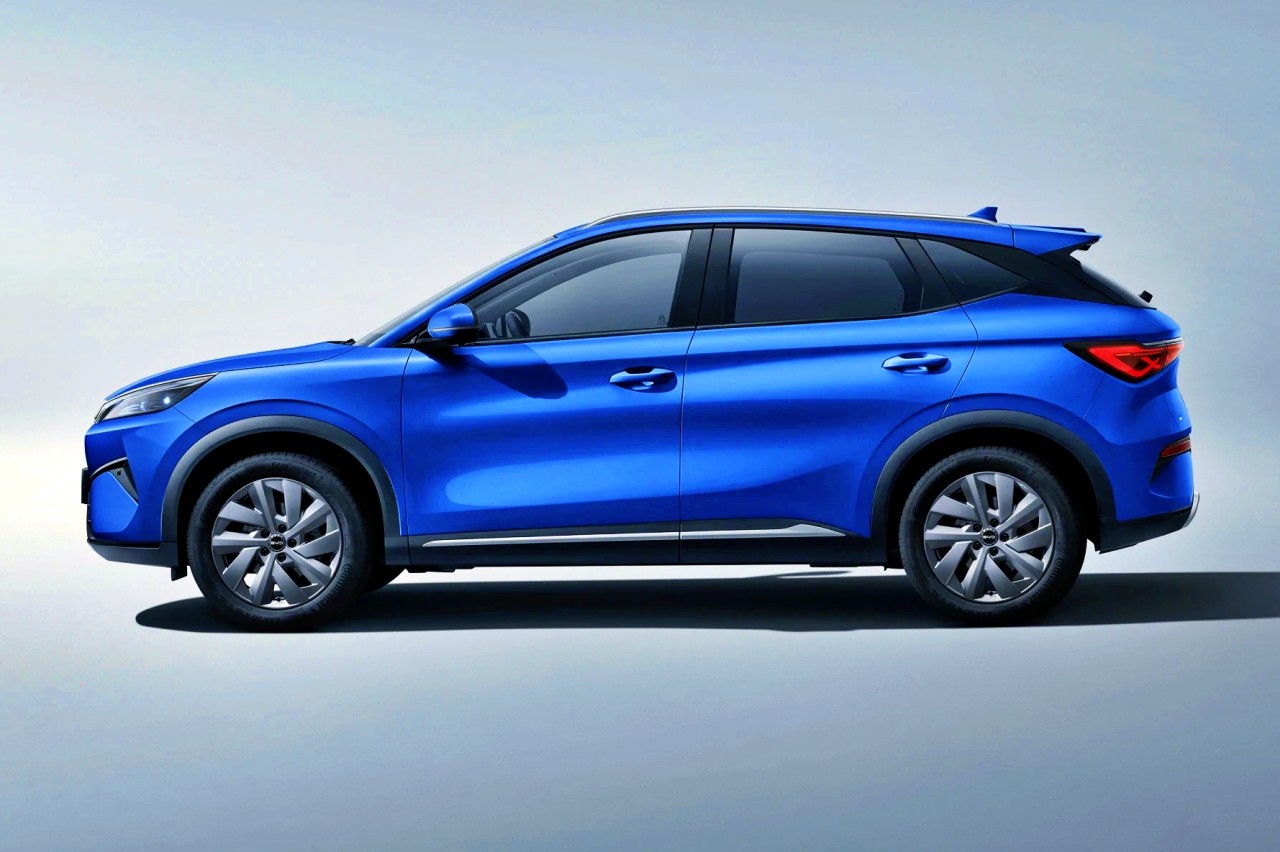
BYD’s Dolphin registered 1,264 units in July, down 55.3% from 2,828 in June, but remained seventh in the ranking. The Sealion 7 placed tenth with 1,060 registrations. Together, the two models generated 2,324 registrations, accounting for 81.7% of BYD’s total registrations in South Korea.
The lower end of the table remained closely contested: only 10 registrations separated the ninth-ranked EV6 from the Sealion 7. For manufacturers and distributors, the July figures point to two parallel trends. South Korean buyers now have a wider selection of electric models, but commercial scale remains concentrated among Tesla’s Model Y and a limited group of electric SUVs from Kia.