Tereos ships record sugar cargo from Brazil to China via Tiplam
French sugar group Tereos shipped a record volume of sugar to China through the Tiplam terminal in Brazil’s Santos region. The movement highlights the role of specialized port infrastructure in Brazil-China sugar trade, although the reported material did not disclose the cargo size, value or shipment date.
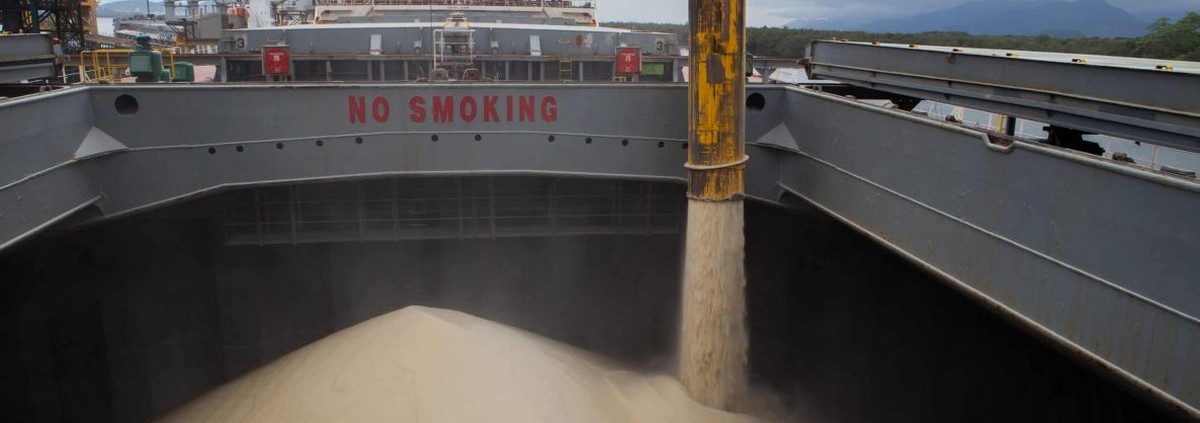
Record shipment moves through Brazil’s Santos region
French group Tereos has shipped a record volume of sugar from Brazil to China through the Tiplam terminal in the Baixada Santista, according to Globo Rural. Tiplam, formally known as Terminal Integrador Luiz Antônio Mesquita, is operated by Brazilian logistics company VLI.
The report identifies the movement as a record for Tereos but does not state the cargo’s tonnage, commercial value, loading date or expected arrival date. It also does not specify the sugar grade, the buyer in China or whether the shipment was covered by a long-term supply agreement or a spot transaction. Those omissions limit direct comparison with previous cargoes and broader Brazilian export statistics.
Even without those details, the shipment is relevant for agricultural commodity traders because it links a major sugar-producing country with a large Asian destination through dedicated bulk-export infrastructure. For exporters, the ability to consolidate a large cargo at one terminal can support efficient handling and vessel loading. For Chinese importers, large individual shipments can concentrate supply arrivals and affect the timing of inventories, port deliveries and refinery procurement.
Port capacity shapes sugar trade flows
Tiplam’s location in the Baixada Santista places the operation in the wider Santos port area, one of Brazil’s principal gateways for international commodity trade. The use of a VLI-operated terminal also shows how sugar exports depend on coordination between producers, inland logistics networks, storage facilities and maritime loading capacity.
Large cargoes can reduce handling complexity compared with multiple smaller movements, but their commercial impact depends on information that was not included in the report. Freight costs, vessel size, sugar specifications, contract terms and delivery schedules all influence the final economics for the exporter and importer. No price or freight data were provided for the Tereos shipment.
For market analysts, the record designation is therefore a signal of shipment scale rather than a complete measure of trade growth. A single cargo does not establish a trend in annual volumes, and the available material does not provide figures for Tereos’s earlier exports to China or Brazil’s total sugar shipments to the country.
Focus turns to follow-on shipments
The next indicators for the market will be whether Tereos repeats shipments of a similar scale and whether China remains a regular destination for cargoes handled through Tiplam. Importers and exporters will also need volume, price and scheduling data before assessing the shipment’s effect on supply availability or trade margins.
For now, the movement underscores the practical importance of terminal access in the Brazil-China sugar corridor. Tereos supplied the commodity, Tiplam handled the record movement and VLI operated the terminal. The disclosed information supports a clear logistics milestone, while leaving its wider effect on prices and aggregate trade volumes unresolved.