Taylor Farms recalls iceberg lettuce in 27 US states over potential cyclospora contamination
Taylor Farms is recalling iceberg lettuce distributed across 27 US states because of potential cyclospora contamination. The action creates a significant food-safety and supply-chain issue for fresh produce businesses, although the available information does not identify affected lots, volumes or customers.
Recall reaches 27 states
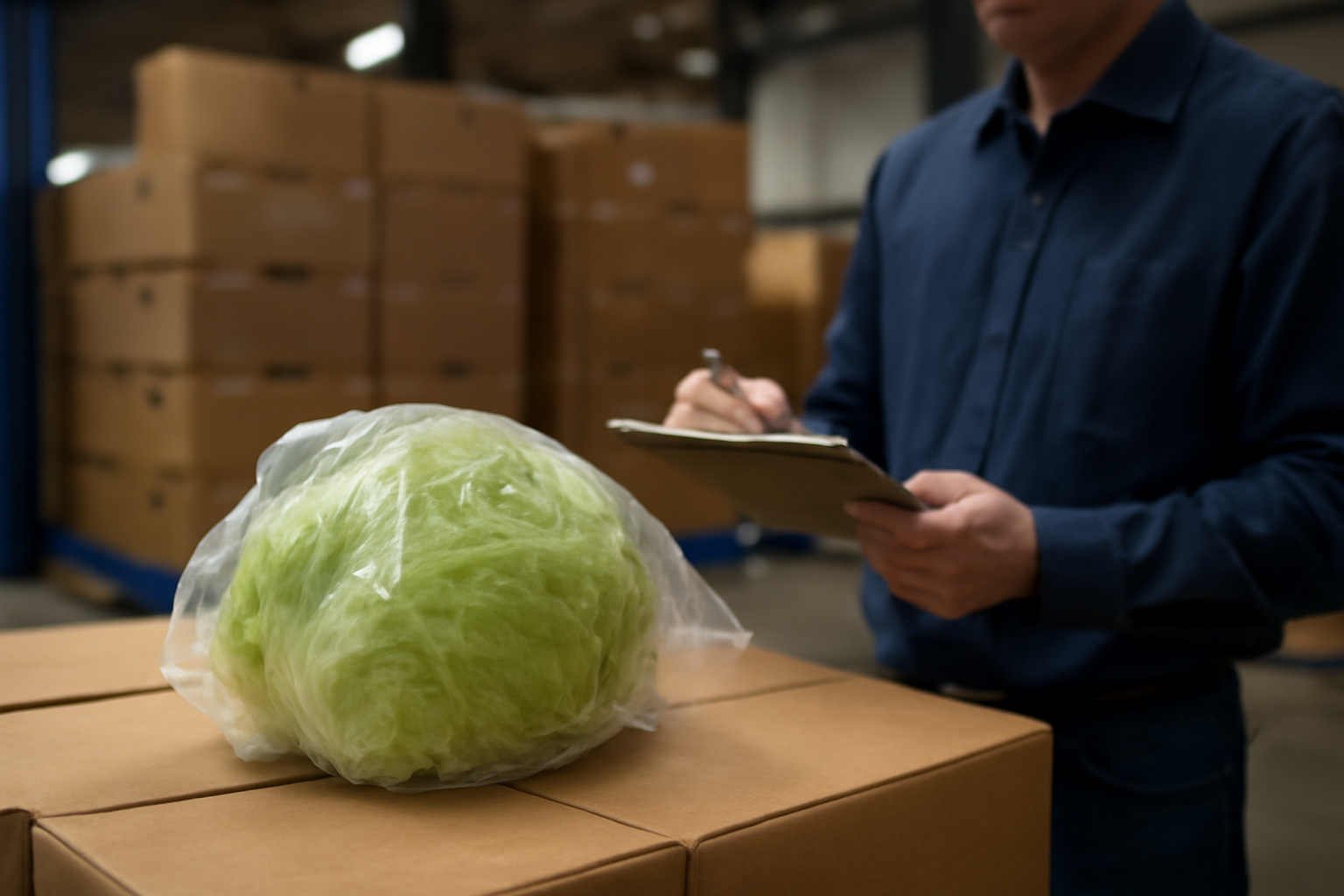
Taylor Farms is recalling iceberg lettuce shipped to 27 US states because of potential contamination with cyclospora. The action places a widely distributed fresh vegetable under scrutiny and requires businesses handling the affected product to review their inventories and supply records.
The information available does not specify the volume of lettuce involved, the affected lot numbers, the distribution period or the individual states covered. It also does not identify the farms, processing facilities, retailers, restaurants or food-service operators connected to the recalled product. Those details will determine the recall’s operational and financial impact across the fresh produce chain.
The stated reason for the recall is potential contamination, rather than confirmed contamination across all recalled lettuce. The supplied material does not report confirmed illnesses directly tied to Taylor Farms product. It describes cyclospora as a parasite associated with thousands of cases of diarrhea, but provides no case count, location or reporting period for the current event.
Fresh produce chain faces rapid checks
A recall covering 27 states has implications beyond the supplier. Distributors, wholesalers, retailers and food-service companies may need to identify affected shipments, isolate inventory and determine whether lettuce has already moved to customers. Because iceberg lettuce is sold as a perishable product, the speed and accuracy of product tracing are central to limiting exposure and unnecessary disposal.
For buyers, the immediate task is to distinguish recalled lettuce from unaffected supply. Without lot, pack-date or customer information in the material provided, companies cannot assess the precise boundaries of the action from the headline alone. They will need recall notices and direct supplier communications before making inventory decisions.
Producers and processors outside the affected supply may also face additional inquiries from customers seeking confirmation of origin and handling records. The recall could temporarily influence purchasing decisions in markets served by Taylor Farms, but no evidence has been provided on shortages, replacement volumes or price movements.
Commercial impact depends on missing details
The scale of distribution—27 states—makes the event material for the US fresh produce sector, yet geographic reach does not establish the quantity of product affected. A recall can cover many states while involving limited volumes, or it can reach numerous customers through several distribution channels. The available source text does not allow that distinction to be made.
Key unanswered questions include how the potential contamination was detected, whether testing confirmed cyclospora in any sample, and which packages or product formats are included. There is also no information on whether the recall is limited to Taylor Farms branding or extends to private-label products supplied by the company.
For investors and commercial counterparties, the eventual cost will depend on product destruction, customer credits, logistics, testing and any disruption to production or sourcing. None of those costs has been disclosed. The immediate significance is therefore operational: a major produce supplier must coordinate a multi-state response while customers verify product identity and remove any affected stock from circulation.
Further official or company details will be needed to establish the precise health exposure and commercial consequences. Until then, the confirmed facts are limited to Taylor Farms, iceberg lettuce, potential cyclospora contamination and distribution across 27 US states.