Tanzania horticulture group defends exports amid pesticide concerns
The Tanzania Horticultural Association says the country continues to meet international food-safety standards despite growing concern about pesticides. The dispute puts the credibility of Tanzania’s horticultural export sector under scrutiny.
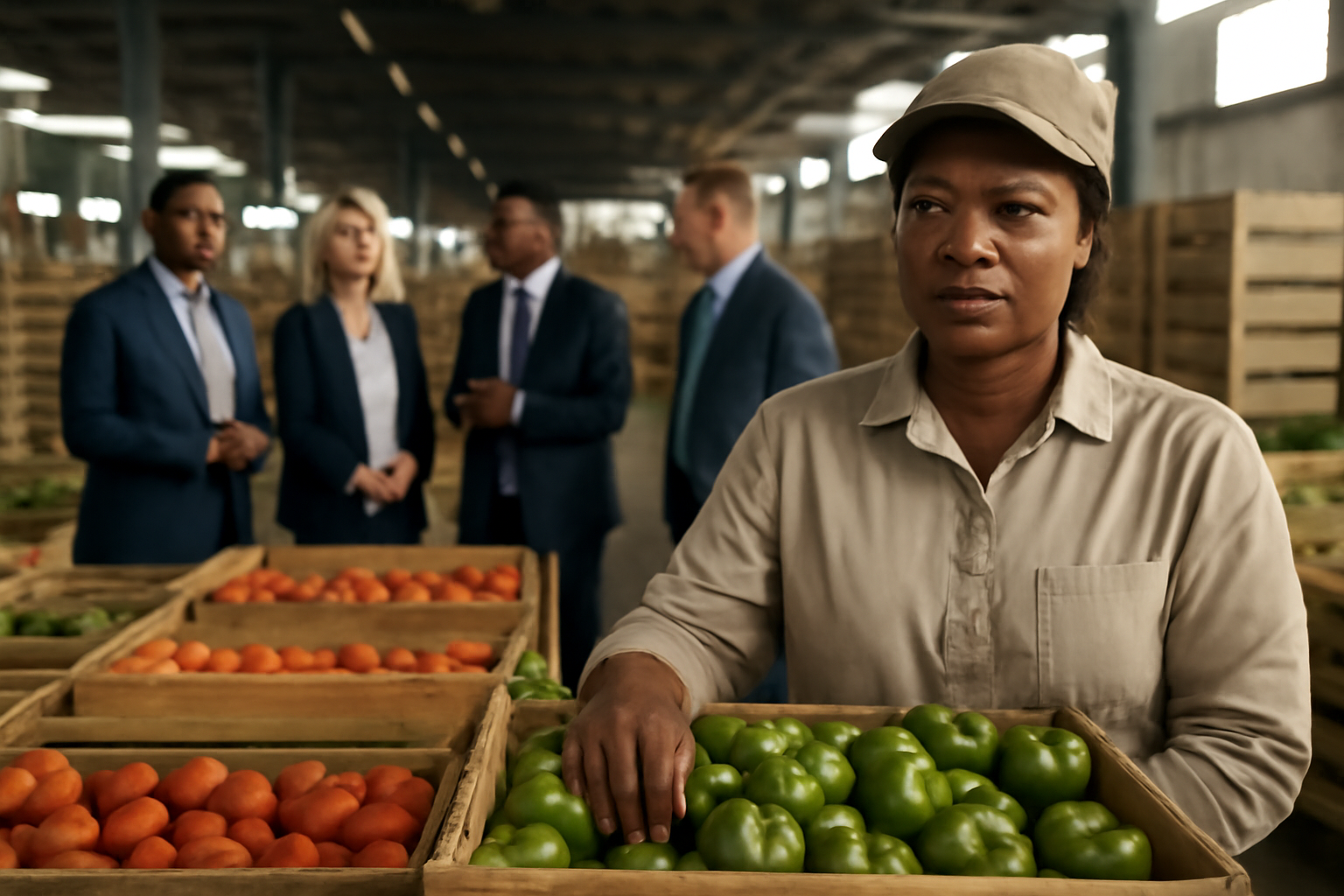
Industry association responds to safety concerns
The Tanzania Horticultural Association has defended the country’s horticultural exports as concerns about pesticide use place greater attention on food safety. The association, known as Taha, says Tanzania continues to meet international food-safety standards.
The statement addresses a sensitive issue for an industry whose access to overseas buyers depends heavily on confidence in product safety. Pesticide concerns can affect more than individual consignments: they can influence how buyers, regulators and commercial partners assess the reliability of an exporting country’s wider control system.
No specific commodity, destination market, pesticide, rejected shipment or test result was identified in the material provided. It also contained no figures for export volumes, values or the number of producers involved. Taha’s central position is therefore a broad defence of Tanzania’s compliance record rather than a response to a documented case described in detail.
Market credibility becomes the central issue
For horticultural producers and exporters, compliance with food-safety requirements is a condition of market participation. Buyers need assurance that pesticide application, harvest intervals, handling practices and documentation are managed consistently. Exporters also depend on laboratories, certification systems and traceability records to demonstrate that produce meets the rules applied in destination markets.
Taha’s intervention indicates that the industry sees reputational risk as a material concern. Even when no specific breach is established, persistent questions about pesticide controls can lead customers to demand additional evidence, increase testing or review procurement decisions. That can raise costs and slow commercial processes for exporters and their suppliers.
The implications extend along the horticultural chain. Producers may face closer examination of farm practices and chemical-use records. Processors, packhouses and logistics providers may need to reinforce segregation and traceability. Importers and retailers may seek clearer documentation before accepting produce, while investors will watch whether the sector can protect access to international markets.
Evidence will determine buyer confidence
The association’s assurance may help present a unified industry position, but overseas confidence ultimately depends on verifiable controls. Clear information about monitoring, testing, certification and corrective procedures would allow buyers to evaluate the claim that Tanzanian exports continue to meet international standards.
The absence of detailed evidence in the available material leaves important questions unanswered. It is not clear what triggered the rising concerns, whether they relate to domestic pesticide practices or export inspections, or which markets and products could be affected. There is also no information indicating that any authority has imposed restrictions on Tanzanian horticultural goods.
Until more evidence emerges, the issue is best understood as a dispute over confidence rather than proof of a sector-wide food-safety failure. Taha has stated that international standards are being met. The next test for Tanzania’s horticultural industry will be whether regulators, buyers and other market participants regard the supporting compliance system as sufficiently transparent and credible.