Tanzania abolishes Pyrethrum Board and transfers its functions to COPRA
Tanzania’s Parliament has approved legislation dissolving the Tanzania Pyrethrum Board and transferring its functions, assets, liabilities and employees to COPRA. Lawmakers backed the consolidation but called for a dedicated directorate to protect pyrethrum production, quality, processing and market development.
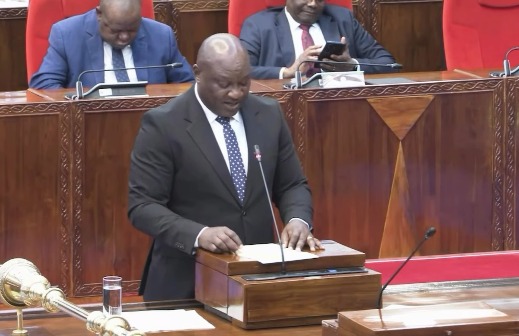
Parliament approves regulatory consolidation
Tanzania’s Parliament has passed the Pyrethrum Industry (Repeal) Bill, 2026, clearing the way for the dissolution of the Tanzania Pyrethrum Board and the transfer of its responsibilities to the Cereals and Other Produce Regulatory Authority, known as COPRA.
Agriculture Minister Daniel Chongolo told the National Assembly that the Board’s functions, assets, liabilities and employees would move to COPRA, according to Daily News. The government presented the measure as part of an effort to lower operating costs and streamline agricultural regulators with overlapping functions.
The Bill repeals the Pyrethrum Industry Act No. 1 of 1997, which provided the legal framework for regulating pyrethrum production and established the sector’s dedicated board. Its provisions also cover the transition following the Board’s abolition.
Chongolo said the consolidation was intended to reduce duplication, strengthen coordination, improve regulatory management and make more productive use of public resources. The change places pyrethrum within an authority responsible for more than 120 crops, significantly broadening the institutional setting in which the industry will be managed.
Lawmakers seek dedicated oversight within COPRA
The Parliamentary Standing Committee on Industries, Trade, Agriculture and Livestock broadly supported the Bill but raised concerns that pyrethrum could receive insufficient attention within COPRA’s extensive crop portfolio. Committee chair Deodatus Mwanyika recommended establishing a dedicated directorate inside the authority to oversee production, quality, markets and development of the pyrethrum value chain.
The committee based its recommendation on the crop’s strategic importance. Daily News reported that Tanzania is the world’s second-largest pyrethrum producer. Lawmakers argued that this position requires focused measures to protect the industry and support its further development despite the removal of its stand-alone regulator.
Ernest Nollo, a lawmaker representing Bahi, supported the proposed directorate and said it could give pyrethrum greater institutional attention. He called for research, processing promotion and examination of the crop’s potential as a source of organic pesticide as demand grows for environmentally friendly agricultural products.
Other lawmakers stressed that the transfer should retain the former Board’s core development objectives. Hadija Aboud called for continued attention to product quality, reliable markets and conditions for farmers and processors. Yustina Rahhi said Tanzania should use the quality of its pyrethrum to expand production, strengthen processing and develop the value chain, including its capacity to generate foreign exchange.
Production and processing remain central challenges
The institutional change comes as the sector faces a gap between its international production standing and its ability to supply domestic processors. Dickson Lutevele, the member of Parliament for Mafinga Urban, said Tanzania’s status as the second-largest producer did not reflect the crop’s full potential. He noted that output remained below the requirements of local processing industries and urged the government to increase both production and quality.
For growers, processors and exporters, the practical effect of the reform will depend on how COPRA allocates staff and resources to a relatively specialized crop. Oversight of quality, market access and value-chain investment will now sit alongside the authority’s responsibilities for more than 120 other crops. A dedicated directorate, if adopted, could provide continuity while allowing the government to retain the cost and coordination benefits sought through consolidation.
The transition also has implications for institutional expertise. The parliamentary committee urged the government to protect the employment rights and interests of former Pyrethrum Board staff continuing under COPRA. Pindi Chana similarly supported the reduction of duplicative boards but said affected employees’ legal rights should be safeguarded and the new structure must deliver the intended efficiency.
No production targets, implementation timetable or budget for the proposed pyrethrum directorate were reported. The sector will therefore be watching whether COPRA creates a specialized unit, preserves technical knowledge from the former Board and translates the administrative overhaul into higher farm output, improved quality and more reliable supplies for Tanzania’s processing industry.