Tajikistan Seeks 2.55 Million Tonnes of Iranian Oil and Fuel
Tajikistan has asked Iran to supply 2.55 million tonnes of crude oil and petroleum products for its domestic market. The proposed flow would require about 51,000 rail tank cars and special transit arrangements on Iran’s railway network.
Tajikistan outlines a 2.55 million-tonne requirement
Tajikistan has asked Iran to supply 2.55 million tonnes of crude oil and petroleum products to support its domestic market, according to Pressa.tj, citing Tajikistan’s Ministry of Transport. The request could create a substantial new bilateral energy flow if the two countries agree on commercial terms and railway arrangements.
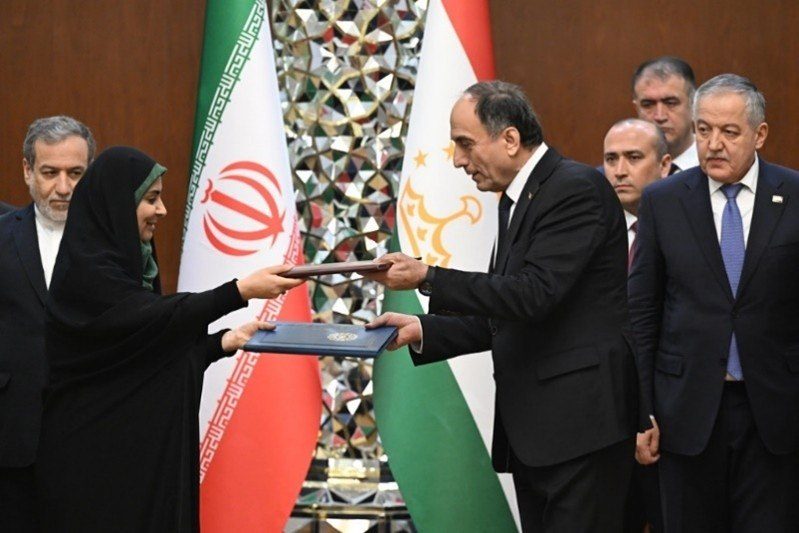
The proposal was discussed during a meeting between Tajik Transport Minister Azim Ibrohim and Iranian Minister of Roads and Urban Development Farzaneh Sadegh. The available information does not specify a delivery schedule, prices, suppliers or whether binding purchase contracts have been signed.
Crude oil accounts for most of the requested volume
The requested cargo consists of 2 million tonnes of crude oil, 150,000 tonnes of gasoline, 300,000 tonnes of diesel fuel and 100,000 tonnes of aviation fuel. Crude oil therefore represents the largest part of the proposed supply, while the refined-product component totals 550,000 tonnes.
The product mix addresses several parts of Tajikistan’s fuel market. Gasoline and diesel are central to road transport and commercial activity, while aviation fuel supports air services. The inclusion of crude oil alongside finished fuels means that processing capacity, product yields and the eventual destination of the crude would be important elements of any final supply arrangement, although the source provides no details on these points.
Rail capacity is central to the plan
Moving the full volume would require approximately 51,000 rail cars, Pressa.tj reported. Tajikistan asked Iran to help establish a dedicated freight train using tank cars and to provide special conditions for transporting the fuel. The scale of the rolling-stock requirement makes railway availability, train formation and transit coordination central to the feasibility of the plan.
Tajikistan also proposed a “green corridor” and a special transport regime for its fuel-carrying wagons while they travel across Iran’s railway network. Such arrangements could give the cargo priority or simplify its movement, but the report does not define the proposed regime or say whether Iran has accepted it.
Implementation details remain open
The request establishes the intended volume and commodity breakdown, but several commercial and logistical questions remain unresolved publicly. These include the origin and ownership of the tank cars, loading points in Iran, the route to Tajikistan, border procedures and the handling of different products within the proposed rail operation.
For Tajik fuel buyers and transport operators, the decisive issue will be whether the requested volumes can be converted into scheduled deliveries. For Iranian suppliers and railway operators, a movement involving about 51,000 cars would require sustained loading and transit capacity. Until contracts, routes and delivery terms are disclosed, the proposal remains a large procurement request rather than a confirmed trade flow.