Syria’s textile sector seeks revival through NasTex 2026 and factory restarts
NasTex 2026 has brought manufacturers, investors and technology suppliers to Damascus as Syria seeks to rebuild its textile industry. Factory restarts offer early signs of recovery, but energy, inputs, finance, labor skills and trade procedures remain major constraints.
Industry looks for a route back
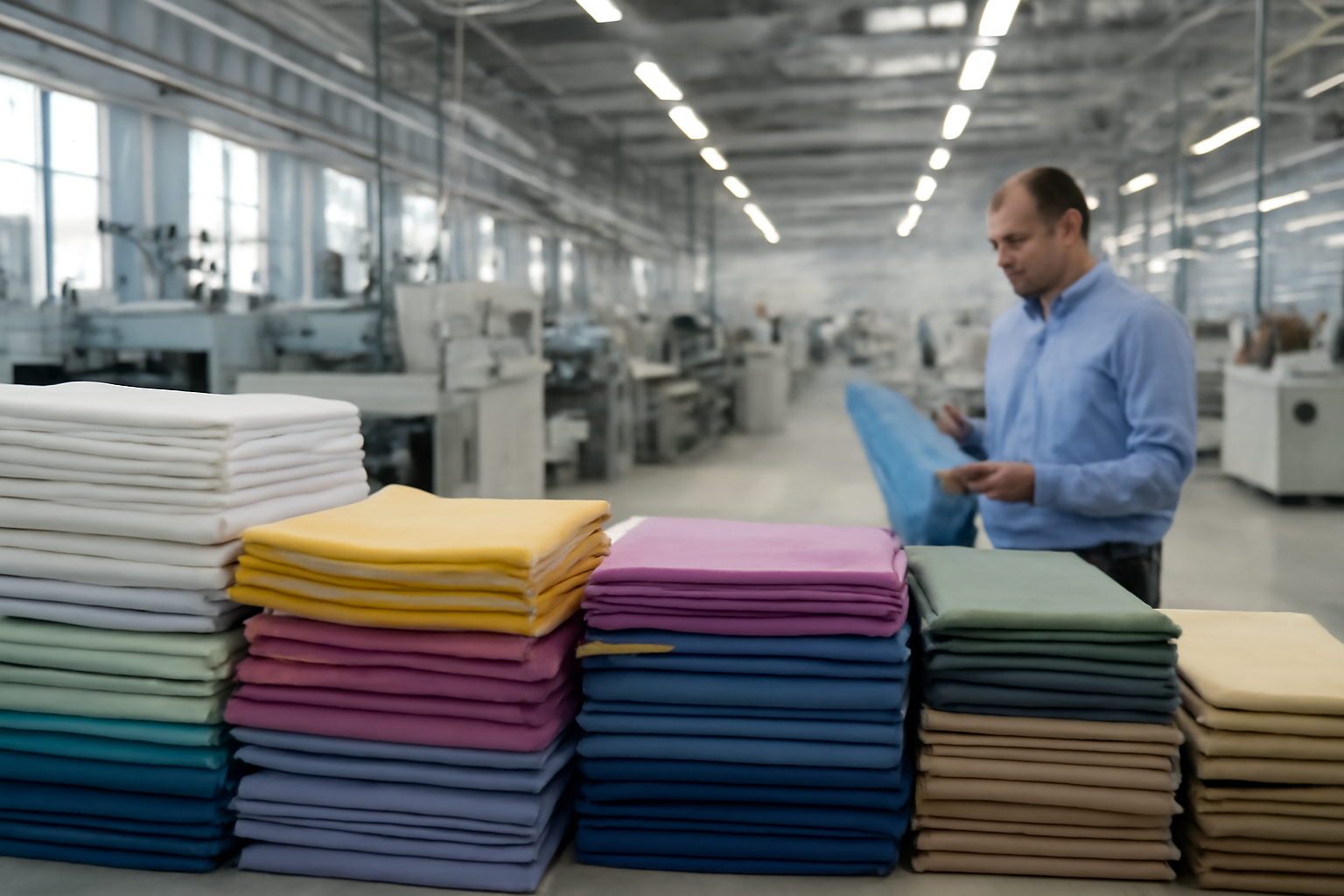
Syria’s textile industry is attempting a gradual comeback, with some factories returning to operation and the NasTex 2026 exhibition providing a meeting point for manufacturers, machinery suppliers, investors and traders. The four-day event was held at the Damascus Fairgrounds from July 18 to 21, presenting the recovery of textile production as part of a wider effort to restore industrial activity and reconnect Syrian companies with domestic and foreign markets.
The Syrian Arab News Agency, SANA, reported that more than 300 companies representing more than 20 countries were expected at the exhibition. NasTex’s own materials put participation at more than 300 exhibitors from more than 25 countries and listed an exhibition area exceeding 150,000 square metres. The difference reflects separate figures published by the agency and the organizer, but both indicate substantial international participation in the inaugural event.
Machinery, inputs and market access
NasTex covered fabrics, yarn, raw materials, home textiles, curtains, furniture and production equipment. Its industrial zone also featured spinning and weaving machinery, complete production lines, automation, smart warehousing and digital systems. That mix matters for Syrian factories seeking to resume output: reopening a plant is only an initial step if old machinery, unreliable inputs or high operating costs prevent it from producing competitively.
Manufacturers interviewed by SANA identified raw-material availability, production costs and energy stability as immediate priorities. Industrialist Samer Mustafa said the sector retains extensive expertise and an established manufacturing base but needs greater support in securing inputs and lowering costs. Sewing-machinery manufacturer Samir Aqili called for production-line modernization and investment in advanced technology, while Kamal al-Assali said stable energy and simpler import and export procedures would help raise output and open markets.
Finance and workforce remain constraints
The United Nations Development Programme’s 2026 private-sector dialogue identified inputs, energy, skills, technology, financing and market access as constraints on the recovery of Syria’s textile and garment value chain. A NasTex session also addressed the need to train workers for current factory requirements. These issues affect the pace at which restarted plants can move from limited production to regular commercial operation.
Industry representatives are also seeking clearer investment conditions. The Damascus Chamber of Industry has said it is working with government authorities on infrastructure, financing and vocational training for textile, garment and dyeing businesses. Government plans discussed during NasTex’s launch included evaluating public factories and offering them for investment rather than privatization, with the state providing infrastructure and private partners supplying capital and operating expertise.
An exhibition is a starting point
NasTex gives Syrian producers access to equipment vendors, potential partners and buyers, but orders and investment will determine whether the event translates into durable capacity. The sector’s established skills and product range provide a foundation, including garments, home textiles, denim, silk fabrics and traditional brocade. Its recovery will nevertheless depend on dependable power, affordable inputs, trained labor, working finance and predictable customs and trade rules. For producers and traders, the test now is whether factory restarts can become sustained production and whether new commercial contacts can deliver contracts in regional and international markets.