Syria Sets 2026 Yellow Corn Purchase Price as Farmers Warn of Cost Pressure
Syria’s General Establishment for Fodder set the purchase price for dried yellow corn at 43,500 new Syrian pounds, equivalent to $291 per tonne. Farmers say the price does not reflect production, drying and transport costs, despite a projected 42% increase in national output.
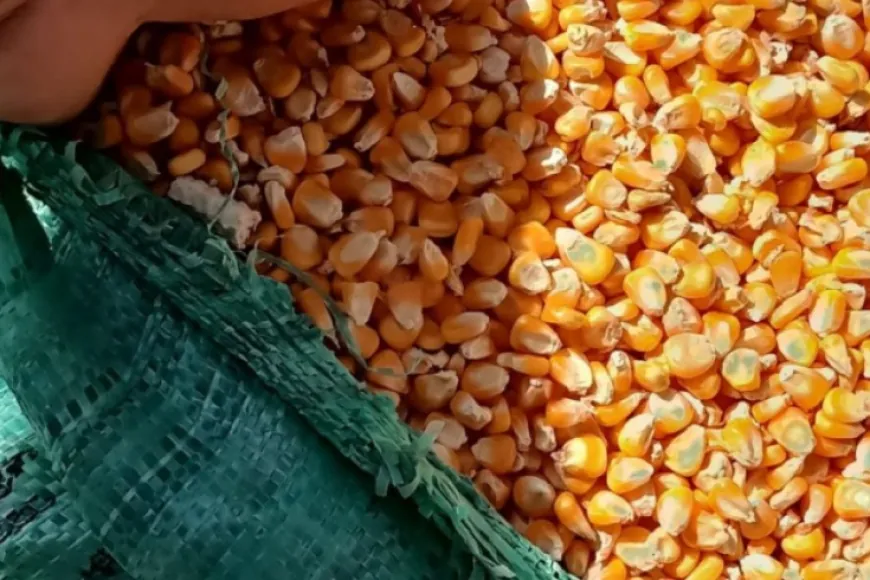
State buyer opens procurement at $291 per tonne
Syria’s General Establishment for Fodder has set the purchase price for dried yellow corn at 43,500 new Syrian pounds per tonne, equivalent to $291 at the reported market exchange rate, according to Hawar News. The price applies to corn with 14% moisture and will be adjusted according to the moisture level measured when the crop is delivered.
The establishment said it would begin receiving corn on November 16 at approved drying centers, subject to their available capacity. The procurement decision establishes a formal outlet for the 2026 crop, but farmers interviewed in recent weeks said prevailing market prices have not kept pace with their expenses.
Producers also said the current value is below last year’s price of $310 per tonne. Some are therefore delaying sales in the hope of securing a better return, a choice that may increase their exposure to storage losses and additional handling costs.
Farm economics remain under pressure
According to the farmers cited by Hawar News, average yellow corn production did not exceed 600 kilograms per dunam this year, while cultivation cost about $135 per dunam. The estimate includes seed, fertilizer, irrigation, fuel and labor, but does not account for every expense incurred after harvest.
At a procurement value of $291 per tonne, 600 kilograms of corn would generate gross revenue of about $174.60 before moisture adjustments, drying, transport and storage. This is an inference based on the figures reported by Hawar News. Against the stated cultivation cost, the remaining margin would be narrow even before post-harvest expenses are deducted.
Drying capacity is a further constraint. Some farmers spread corn in yards and along roads to dry naturally because mechanical dryers are limited. Transport and drying by private operators can exceed $30 per tonne in some cases, further reducing the proceeds available to growers. Limited access to approved drying centers could also affect how quickly the state buyer can absorb the crop.
Larger harvest may support feed supply
Syria’s yellow corn production is forecast to reach 475,232 tonnes in 2026, up from 332,573 tonnes in the previous year, according to Ministry of Agriculture data reported by Hawar News. That represents a 42% increase, while the planted area has reached 84,381 hectares.
Raqqa is the largest producing region, accounting for 35% of domestic output. Aleppo contributes 27% and Hasakah 13%. Together, the three regions represent three-quarters of national production, concentrating procurement, drying and transport requirements in the northeast and north of the country.
Domestic production currently covers about 50% of Syria’s yellow corn requirements. Because the crop is a core ingredient in animal feed, the larger harvest could improve the availability of raw material for feed processors and livestock producers. However, the effect will depend on how much corn enters formal procurement channels and whether drying centers can handle deliveries without costly delays.
The purchase price creates a reference for the market, but farmers’ cost calculations indicate a risk to future planting. If growers cannot secure an adequate return after drying and logistics, some may reduce acreage or shift land to other crops. That would limit the longer-term feed-supply benefit of the projected 2026 production increase.