Syria reports seasonal wheat self-sufficiency, but farmer payment delays threaten next crop
Syria reportedly received more than 2.7 million tonnes of wheat this season, exceeding estimated annual demand of 2.55 million tonnes. However, delayed payments to farmers and widespread food insecurity raise doubts about whether the result can be sustained.
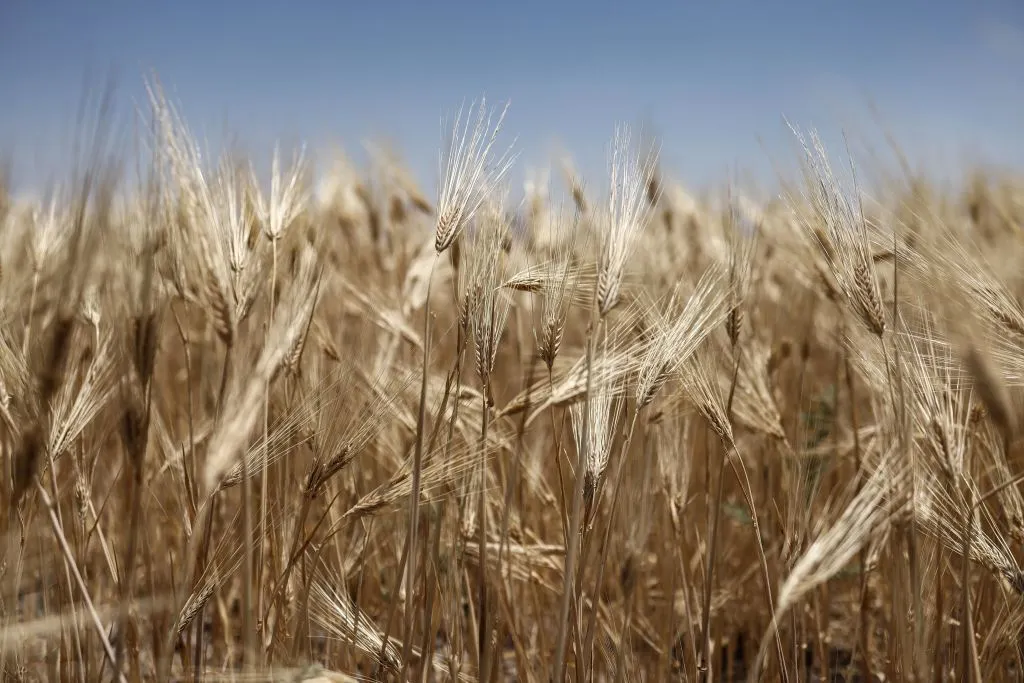
Deliveries exceed estimated annual demand
Syria has achieved seasonal self-sufficiency in wheat for the first time in years, according to economic analyst Hassan Deeb, whose comments to RT were reported by Ahwal. The quantity received by the state this year exceeded 2.7 million tonnes, above official estimates of actual annual demand at 2.55 million tonnes.
The reported intake marks a sharp recovery from the 2025 season, when total production did not exceed 934,000 tonnes. Deeb said the larger crop should support strategic reserves, reduce import requirements and conserve foreign currency. Immediate payment to farmers would also return liquidity to rural markets and support agricultural transport, services and trade.
The result nevertheless remains well below Syria’s pre-crisis production capacity. Before the war, the country produced about 4.1 million tonnes of wheat annually and was self-sufficient. Conflict damaged the agricultural sector, while successive droughts — particularly the severe drought in 2025 — reduced output and pushed the country toward years of imports, especially from Russia.
Government incentives meet a liquidity bottleneck
During the current season, the Syrian government raised its wheat purchase price to levels described as encouraging. The policy was intended to increase deliveries to the Syrian Grain Establishment and limit the diversion of crops to neighboring markets or private traders. Authorities also expanded collection centers and improved transport and storage operations.
Those measures helped the state secure grain, but payment delays have weakened their effect on producers. Ahwal reported that many farmers have not received money for wheat already delivered to the government. Long queues have formed outside cooperative agricultural banks, where farmers say they are repeatedly told that cash is unavailable.
Farmer Mohammed Matar told RT that the delays had left him and thousands of other growers unable to settle debts incurred for seed, fertilizer, fuel, labor, harvesting and transport. Farmers have protested to demand payment and the opening of additional cooperative bank branches. Allegations that intermediaries can accelerate selected payments for a fee have not received an official response, according to the report.
Next season will test the durability of the recovery
The payment problem reaches beyond household income. Farmers normally begin preparing land for the next crop after harvest, but delayed receipts restrict their ability to buy inputs and repay creditors. Farmer Mazin al-Fares told RT that some growers were seriously considering not planting wheat next season, which could reduce future acreage if debts continue to accumulate.
Cash shortages have also created a secondary market for government receivables. Intermediaries offer to buy farmers’ claims or invoices for immediate cash at a discount. For indebted producers, accepting less than the full amount may be preferable to waiting without a clear payment date, but the discount transfers part of the value of the state support program away from farmers.
Seasonal wheat availability also does not eliminate Syria’s broader food-security crisis. The report cited a June warning by the UN Food and Agriculture Organization that more than 13 million Syrians, or over half the population, face acute food insecurity. Maintaining lower import dependence will therefore require more than one strong harvest: timely producer payments, continued access to inputs, reliable storage and transport, and sufficient planting in the next season will determine whether the current result becomes durable.
