Syria extends apple import ban to end-November and bans lemon imports from October
Syria's National Committee for Import and Export has extended its ban on apple imports until the end of November and ordered a ban on lemon imports from 1 October 2026 to 31 March 2027, state news agency SANA reported. The measures follow the country's approved agricultural calendar, which closes the border to selected produce during domestic harvest and marketing periods.
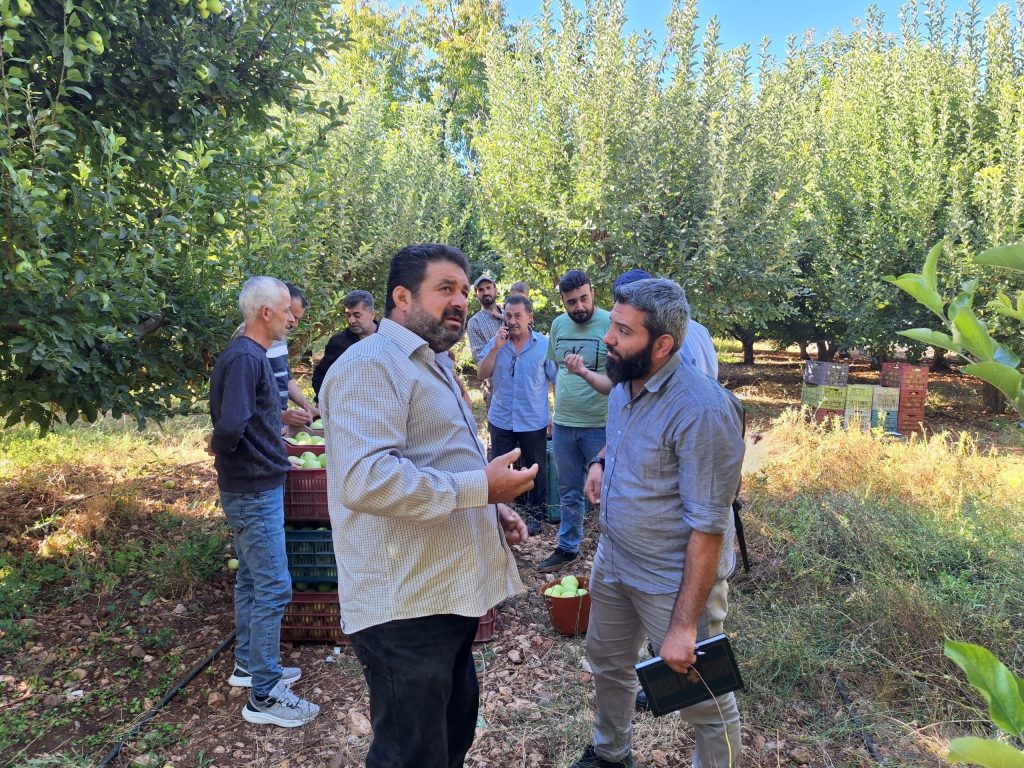
Syria's National Committee for Import and Export has extended its ban on apple imports until the end of November and ordered a separate ban on lemon imports running from 1 October 2026 to 31 March 2027. The state news agency SANA reported the decision on Thursday, citing the Ministry of Agriculture's Telegram channel, which said the measures were taken in line with the approved agricultural calendar and with the aim of protecting domestic production.
The apple measure extends the prohibition set out in Article 5 of Decision No. 10 of 2026. That decision had closed the border to apples from 1 August until the end of October 2026, as part of a list of agricultural products with defined import-ban periods. The new ruling carries the apple restriction one month further, to the end of November, and adds lemons for a six-month stretch. According to SANA, the committee instructed the General Customs Administration to take the steps needed to implement the decision, which is to be published in the Official Gazette and applies from the date of its issue.
How the agricultural calendar works
The agricultural calendar sets import timing for a number of farm products according to domestic production periods. As described by SANA, its purpose is to keep crops available in the market while limiting the overlap between imported goods and local output during the domestic season.
In practice the instrument works as a seasonal window rather than a permanent tariff barrier. Imports are blocked for a defined stretch tied to each crop's local production dates, then allowed again once that period ends. The lemon ban covers 1 October 2026 to 31 March 2027; the apple ban, originally due to expire at the end of October, now runs a month longer.
Apple growers point to costs and weak local prices
In a separate report, SANA said apple growers in the Zabadani area and the town of Sarghaya, in Rural Damascus governorate, are contending with high production, marketing and cold-storage costs alongside low prices on local markets. The growers called for solutions that would help them sell their crop and for curbs on imports.
Taken together, the two reports show policy moving in the direction growers have been asking for. The complaint, however, spans both sides of the margin: input, marketing and refrigeration costs on one side, weak market prices on the other. An import ban addresses only the price side, and only to the extent that domestic supply and storage capacity can cover demand during the closed window.
What the measures mean for importers
For traders, the effect is a fixed calendar of closed periods rather than case-by-case licensing. The current position is as follows:
- Apples: imports banned from 1 August 2026 through the end of November 2026, under Article 5 of Decision No. 10 of 2026 as extended.
- Lemons: imports banned from 1 October 2026 to 31 March 2027.
- Implementation assigned to the General Customs Administration, with the decision effective from the date it was issued.
Neither SANA report gave import volumes, values or the origin of previously imported consignments, and no penalties or exemptions were detailed beyond the customs instruction. Importers with fourth-quarter shipments face the change immediately, since the decision applies from issuance rather than after a transition period. The lemon window is set to reopen on 1 April 2027 — though the apple case shows that a stated end date can be extended within the same season.