Syria needs $831 million a month for fuel, energy minister says
Syrian Energy Minister al-Bashir said the country requires about $831 million a month to cover its oil and fuel needs. Daily consumption runs at roughly 12 million litres of diesel and 8 million litres of gasoline, while power plants and industry burn around 8,500 tonnes of fuel oil a day. The figures were presented as the baseline for a plan to move toward energy self-sufficiency.
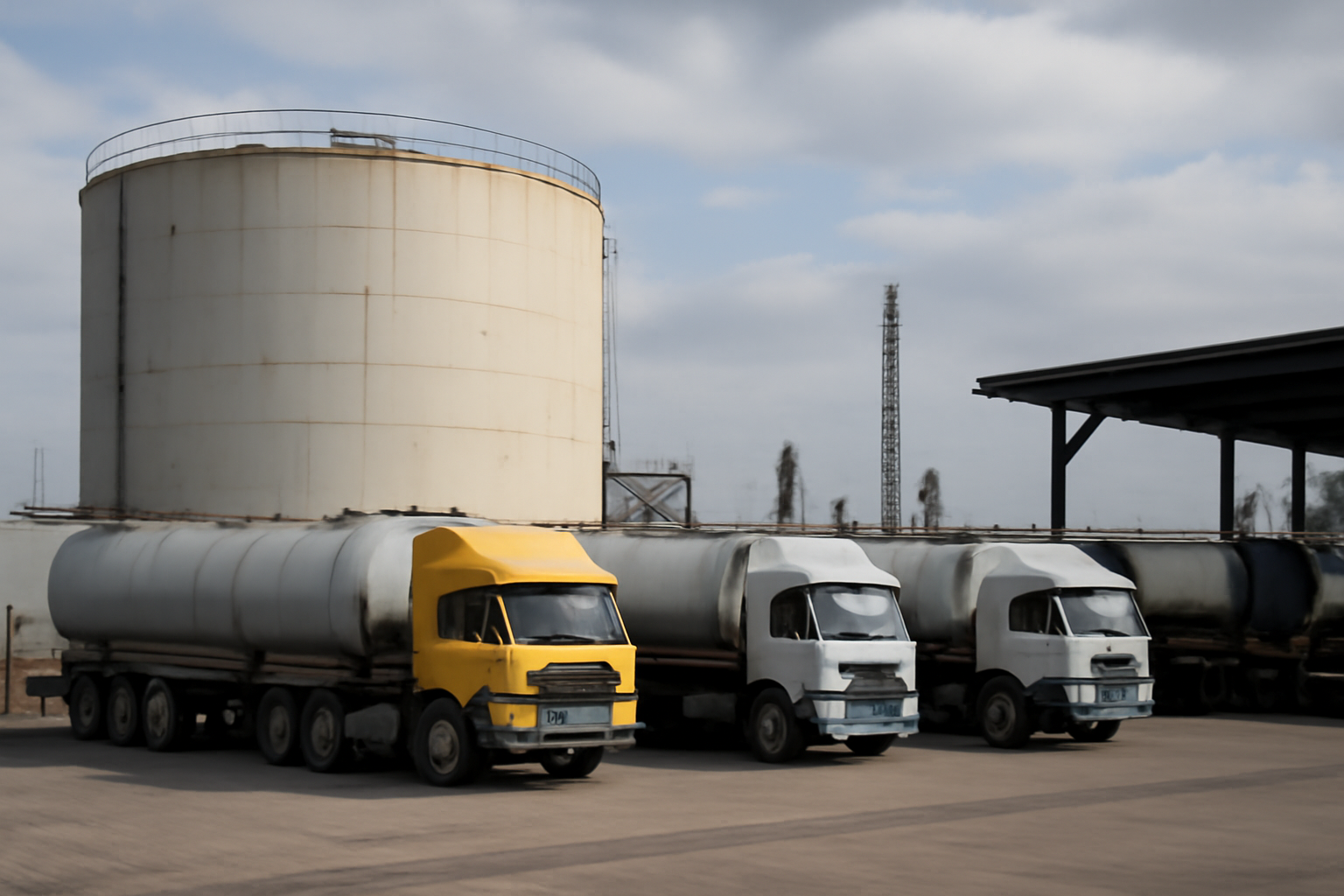
Syria requires about $831 million a month to cover its oil and fuel needs, Energy Minister al-Bashir said, attaching a number to the country's dependence on imported petroleum products and presenting it as the baseline for a plan to move toward energy self-sufficiency.
Daily consumption: 12 million litres of diesel, 8 million of gasoline
Daily consumption in Syria reaches around 12 million litres of mazot, the local term for diesel, and 8 million litres of gasoline, al-Bashir said. Power generation plants and the industrial sector together consume an average of about 8,500 tonnes of fuel oil per day.
Converted into the units used in international product trade, those volumes look like this (shev.io calculations, at 159 litres per barrel):
- Diesel: 12 million litres a day, or about 75,000 barrels per day and roughly 360 million litres a month.
- Gasoline: 8 million litres a day, or about 50,000 barrels per day and roughly 240 million litres a month.
- Fuel oil: 8,500 tonnes a day, or about 255,000 tonnes a month and close to 3.1 million tonnes a year.
Diesel and gasoline together therefore account for roughly 125,000 barrels a day of refined product demand, a volume comparable to the throughput of a mid-sized refinery. The figures cited covered road fuels and fuel oil; jet fuel, LPG and bunkers were not included.
An annual bill approaching $10 billion
At $831 million a month, the fuel requirement annualises to about $9.97 billion, just under $10 billion a year, and it is payable largely in hard currency. The figures cited did not break the monthly sum down between crude oil and refined products.
For refiners and trading houses, the numbers define the size of the addressable market: about 600 million litres a month of road fuels plus 255,000 tonnes of fuel oil. A requirement of that size is met through recurring cargo programmes rather than occasional spot purchases, which makes the demand profile predictable for suppliers able to handle payment and compliance risk. For the Syrian budget, it is a fixed monthly outflow of foreign exchange that competes with every other reconstruction priority.
Why the fuel oil figure matters most
The 8,500 tonnes a day going to power stations and industry ties electricity supply directly to fuel procurement. An interruption in fuel oil deliveries shows up as reduced generating hours rather than as queues at filling stations, and industrial output follows the power supply. That makes fuel oil the most sensitive line in the import programme, even though road fuels are the larger volume in litres.
The self-sufficiency plan
al-Bashir set out the size of the gap alongside the government's plan to reach self-sufficiency in energy. Closing it requires some combination of higher domestic crude production, restored refining capacity and lower consumption. Each of those needs capital, equipment and time, and none of them removes the import requirement in the short term.
Until domestic supply covers a meaningful share of the 12 million litres of diesel and 8 million litres of gasoline consumed each day, Syria remains a structural importer of refined products. The $831 million monthly requirement stays the binding constraint on both the power sector and industrial recovery, and any plan to close it will be measured against those daily consumption baselines.