Syntetica advances chemical nylon recycling toward industrial scale in Italy
Syntetica is moving chemical nylon recycling beyond laboratory development with backing from Lululemon. The project could affect Italy’s textile supply chain as companies prepare for textile extended producer responsibility and digital product passport requirements.
Chemical recycling moves beyond the laboratory
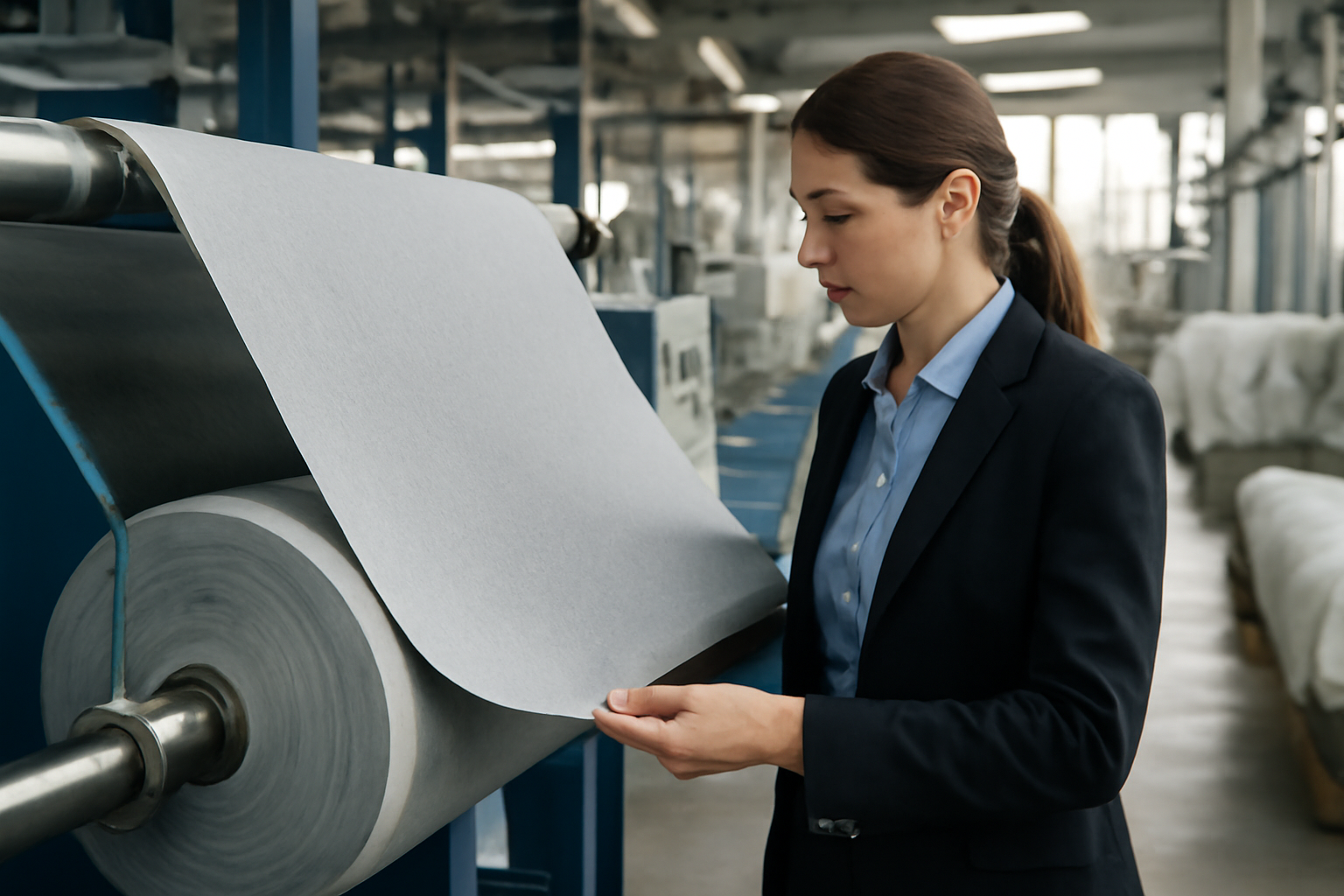
Syntetica is advancing chemical nylon recycling from laboratory development toward industrial scale, supported by apparel company Lululemon. The step could broaden the options available to textile manufacturers seeking recycled nylon suitable for demanding applications.
Chemical recycling is intended to recover usable raw material from nylon waste rather than process it only through mechanical methods. For textile producers, the commercial significance will depend on whether the technology can supply material with consistent quality, operate reliably at larger volumes and compete with virgin nylon and established recycled alternatives.
No production capacity, investment value, plant location or commissioning date has been disclosed in the available announcement. Those details will determine how quickly the project can affect purchasing decisions and material flows in Italy and elsewhere in Europe.
Italy already has an established nylon-recycling player
For Italy’s textile industry, the relevant comparison is Aquafil, an established participant in recycled nylon. Syntetica’s progress may therefore add another technological route and a potential source of recovered material rather than introduce nylon recycling to the Italian market for the first time.
The effect on manufacturers, processors and brands will depend on the types of nylon waste accepted and the specifications of the resulting material. Feedstock access will also be critical: industrial-scale plants require stable collection, sorting and preparation systems capable of delivering sufficiently uniform waste.
Lululemon’s backing links the project directly to downstream demand. Support from a major apparel buyer can help align material development with performance requirements, but the announcement does not specify purchase commitments, target volumes or commercial terms.
EU rules increase pressure for traceable materials
The development comes as the textile sector prepares for extended producer responsibility and digital product passports in the European Union. These measures increase the importance of knowing where materials originate, how products are made and what happens to them after use.
For Italian textile companies, chemical recycling could become one part of the compliance and sourcing response. Its practical role will depend on verified environmental performance, traceability, price and availability at commercial scale. Producers and investors will now be watching for a plant plan, capacity figures, feedstock agreements and evidence that the process can move from technical validation to continuous industrial production.