Sugarcane biomass supplies 15.8% of Brazil’s domestic energy
Bagasse and sugarcane straw accounted for 15.8% of Brazil’s domestic energy supply in 2025. Mills consume about 35% of the electricity they generate and can sell the remaining 65%, although returns depend on power-market prices.
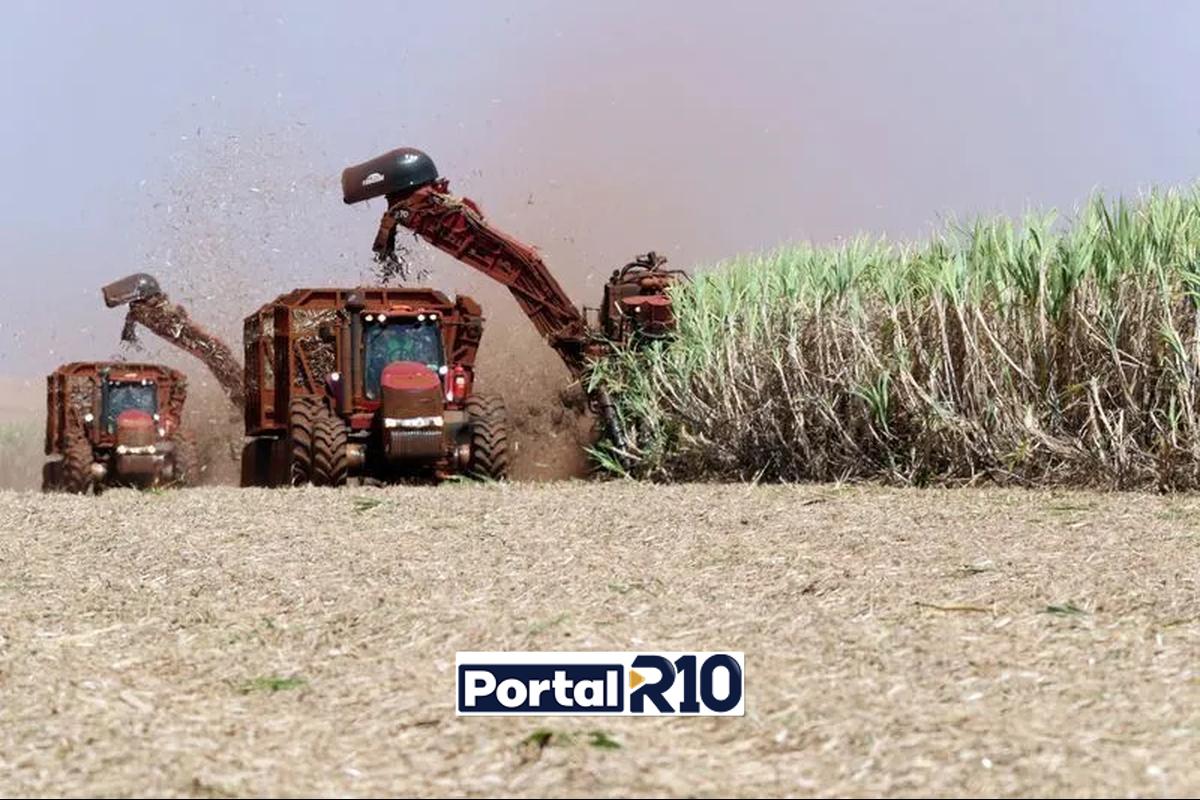
Cane residues gain weight in the energy mix
Biomass made from sugarcane bagasse and straw accounted for 15.8% of Brazil’s Domestic Energy Supply in 2025, according to data from the Energy Research Office, or EPE, reported by Portal R10. Renewable sources overall represented 49.5% of the country’s energy supply during the same year, placing cane residues among the main components of Brazil’s renewable energy base.
The feedstock comes from residues generated during sugarcane harvesting and milling. Mills burn bagasse and straw in boilers to produce high-pressure steam, which drives turbines and generates electricity. This cogeneration model turns material already available at sugar and ethanol plants into an energy source, reducing the need to purchase power and creating a commercial outlet for agricultural and industrial residues.
Mills can sell most of the electricity generated
StoneX estimates that sugar and ethanol plants use about 35% of the electricity generated from cane biomass internally. The remaining 65% can be sold into Brazil’s National Interconnected System, providing revenue in addition to sugar and ethanol production. The split makes cogeneration relevant both as a cost-control tool and as a separate business for mills with sufficient boiler and turbine capacity.
Bagasse dominates the country’s biomass cogeneration fleet. Data from the Electric Energy Commercialization Chamber, or CCEE, for February 2026 show that sugarcane bagasse represented 73% of installed cogeneration capacity. Generation is geographically concentrated: StoneX data indicate that the Southeast and Center-West, Brazil’s leading sugar and ethanol producing regions, hold 81% of bagasse-based generating capacity.
Revenue is not automatic. The value of surplus electricity depends on conditions in Brazil’s power market, particularly the Difference Settlement Price, known as PLD, which serves as a benchmark for short-term transactions. Hydroelectric reservoir levels are among the factors influencing the PLD, StoneX analyst Letícia Correia said. Mills therefore face price exposure even though their fuel is generated as part of their own production process.
Dry-season timing strengthens the commercial case
Sugarcane bioelectricity has an operational advantage because peak biomass availability coincides with pressure on hydroelectric generation. From May through October, the dry season in Brazil’s Center-South, mills are at the height of the harvest and have their largest volumes of bagasse available. At the same time, lower rainfall can put hydroelectric reservoirs under greater strain and support higher short-term electricity prices.
Across the five most recent harvests, the average electricity price during the dry period was 12.6% higher than during the wet period, based on CCEE and Pecege data and StoneX estimates. That seasonal premium improves the opportunity to monetize surplus generation, although actual returns still depend on market conditions and each plant’s efficiency and commercial arrangements. For the sugar and ethanol industry, cogeneration combines lower operating costs, internal energy security and an additional revenue stream. For Brazil’s electricity system, it provides renewable output when hydropower can face less favorable conditions.