Sugar enters a tighter global cycle as Mexico secures minimum access of 712,000 tonnes to the US
The international sugar market is moving into a new cycle defined by reduced supply. Mexico is raising output and has secured a minimum of 712,000 tonnes of access to the United States market, setting a floor under its export volumes regardless of world prices.
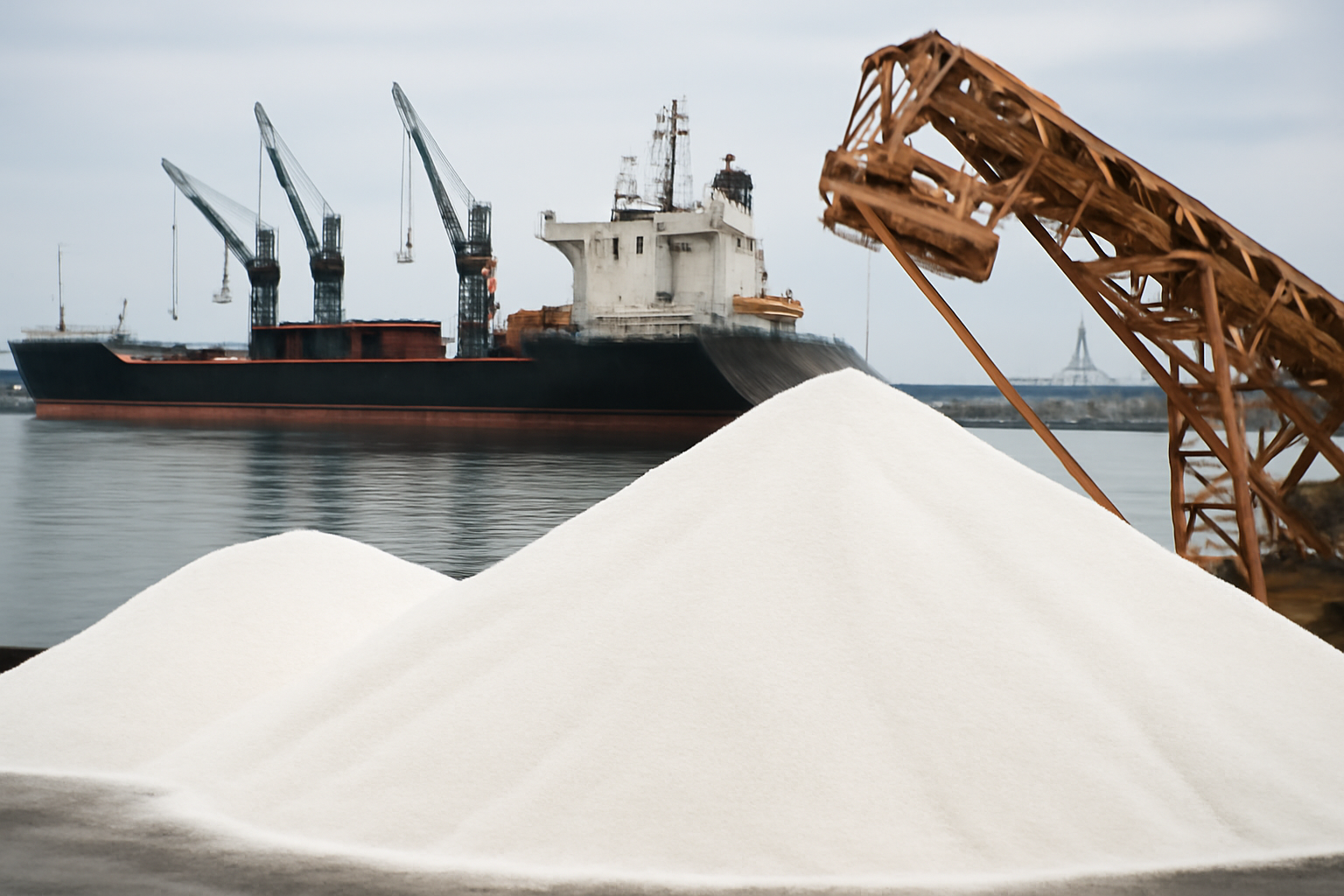
The international sugar market is entering a new cycle shaped by tighter supply, and Mexico is going into it from a stronger position: domestic output is rising and the country has secured a minimum of 712,000 tonnes of access to the United States market. The figure is a floor rather than a forecast — the volume Mexican mills can count on placing in the US regardless of how the rest of the world balance develops.
That distinction carries more weight in sugar than in most agricultural commodities. A large share of the world's cross-border sugar trade moves not through freely negotiated volumes but through quotas, agreements and preferential access, and the United States is the clearest example. Guaranteed tonnage lets a producer plan the harvest, book freight early and finance working capital before the crop is cut. Sellers without such access compete for whatever demand is left once administered volumes are filled.
Supply tightens across the global balance
The new cycle is driven by supply, not demand: the pressure comes from less sugar being available. Scarcity typically reaches the market in a defined order. Premiums for prompt physical cargoes widen first, refiners then bid up for raw material, and only afterwards does the cost work through to packaged goods, where contracts and hedges delay the pass-through by months.
For industrial buyers — bottlers, confectioners, bakers, dairy and processed-food manufacturers — sugar is a small share of the finished product but a highly visible line in the cost sheet. Tight cycles push those buyers to cover further forward and to look at origins they would otherwise ignore. On the producing side, the same cycle rewards anyone able to add tonnage quickly, which is where Mexico's rising output becomes relevant.
- Sugar is entering a cycle of greater global pressure caused by reduced supply.
- Mexico is increasing its sugar production.
- Mexican exporters hold minimum access of 712,000 tonnes to the US market.
The 712,000-tonne floor in the US market
Secured access of 712,000 tonnes gives the Mexican sugar sector a defined base of export demand in the large, high-value market on its northern border. Because the access is a minimum, it describes the worst case rather than the ceiling: additional volume can follow if US requirements grow, but the floor holds whatever happens to world prices.
The commercial effect shows up in planning and credit as much as in margin. A known export volume can be contracted early, which supports pricing of the rest of the crop at home and gives mills a concrete number to present to lenders. It also concentrates risk. The larger the share of the exportable surplus committed to one destination, the more the sector's results depend on that market's policy framework and on its own demand for sweeteners.
What to watch next
No figures have been published for the size of Mexico's production increase, the scale of the global supply shortfall, or the period covered by the minimum access, so the magnitude of each remains open. The direction is not in doubt: less sugar available worldwide, more produced in Mexico, and a fixed part of that output with a guaranteed destination.
The variables that will decide how the cycle plays out are the ones that always decide sugar — cane and beet yields in the main producing regions, the share of cane diverted to ethanol instead of sugar, energy costs at the mill, and the peso-dollar rate, which determines what a dollar-denominated export price is worth to a Mexican producer. US buyers, for their part, will be watching whether the guaranteed Mexican tonnage is enough to keep the domestic refining chain supplied in a year when the rest of the world has less to sell.