Stavian Industrial Metal brings Vietnam’s first domestically produced aluminum billet to market
Stavian Industrial Metal has helped bring Vietnam’s first domestically produced aluminum billet to market. The launch marks a step toward building local industrial-metals supply and serving customers in Vietnam and abroad.
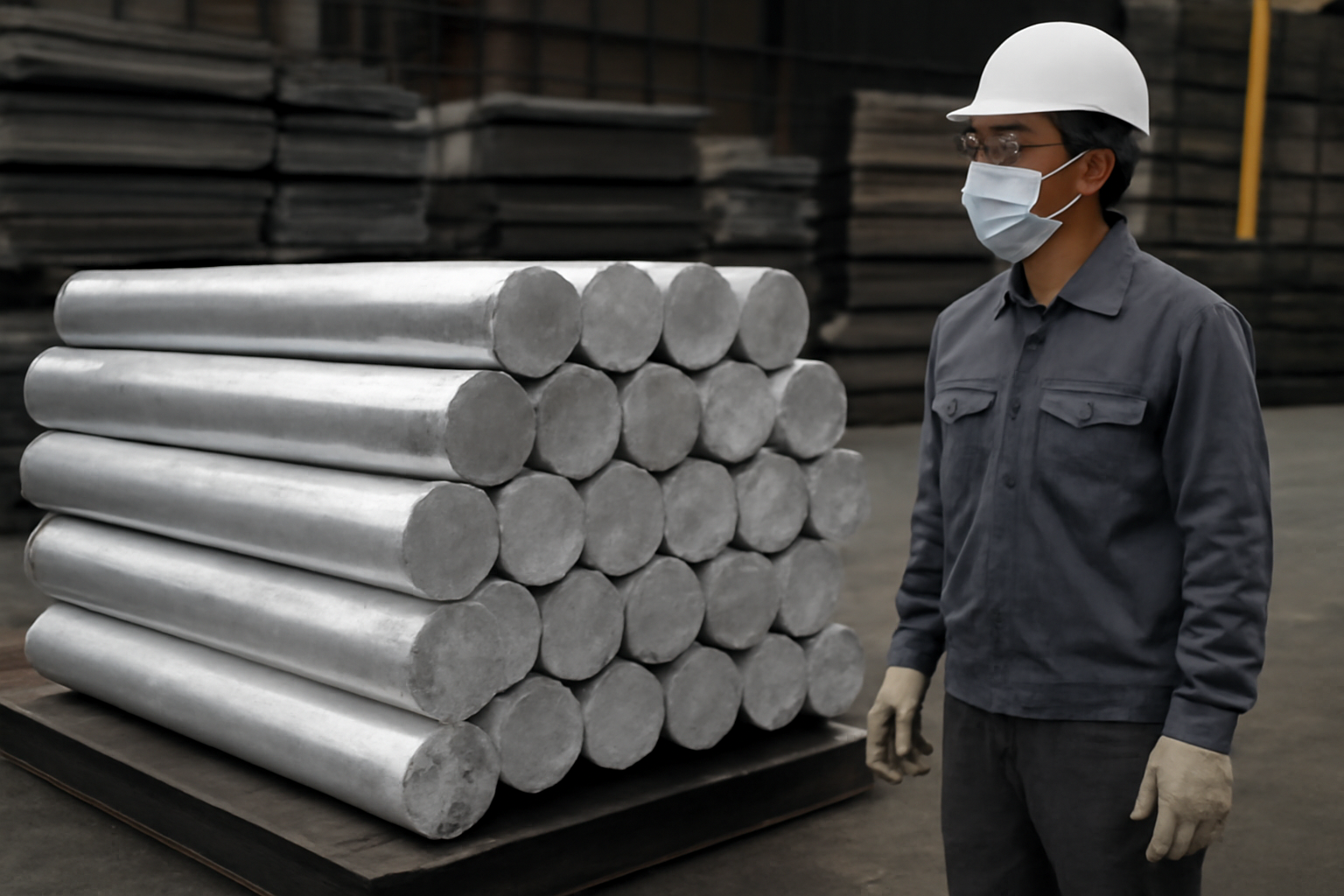
Vietnam adds a domestically produced aluminum billet
Stavian Industrial Metal has participated in bringing Vietnam’s first domestically produced aluminum billet to market, marking a milestone for the country’s industrial-metals sector. The product gives Vietnamese manufacturers a locally produced source of primary material used in downstream aluminum processing.
The available announcement does not disclose the producer, production site, capacity, alloy specifications, billet dimensions, launch date or planned sales volume. It also provides no figures for investment, pricing or the share of Vietnamese demand that the new product could supply. The significance of the launch therefore rests on the establishment of domestic production rather than on a stated change in market scale.
Stavian Industrial Metal describes its role as connecting, developing and bringing Vietnamese industrial-metal products to domestic and international markets. That positioning suggests the company is working on commercialization and market access for the billet, although the announcement does not specify whether Stavian manufactured the material, financed production or is acting primarily as a distributor.
A new local option for downstream processors
Aluminum billet is an intermediate product processed into extruded profiles and other semi-finished goods. A domestic billet source can give processors another procurement option alongside imported material. The practical effect will depend on consistent quality, available grades, delivery reliability and commercially competitive pricing, none of which were detailed in the announcement.
For Vietnamese processors, the launch could shorten part of the supply chain if material is produced and stocked near their plants. Local availability may also make order planning more flexible. These potential advantages cannot yet be quantified because no information was provided on output, customer contracts or geographic distribution.
The product may support import substitution, but its actual contribution will depend on production volume relative to domestic consumption. Without capacity and demand data, it is too early to determine whether the billet will materially reduce Vietnam’s reliance on overseas suppliers or initially serve a limited group of customers.
Domestic and international ambitions
Stavian Industrial Metal says it aims to connect Vietnamese industrial-metal products with both the domestic and international markets. Export development would require the billet to meet buyers’ technical specifications and documentation requirements, while competing with established suppliers on price, quality and delivery terms.
The launch also creates a reference point for Vietnam’s broader metals industry. Moving an industrial input from development into commercial circulation requires coordination among producers, processors, distributors and customers. Stavian’s involvement indicates that market development is part of the effort, not only the production of the physical material.
Further disclosures will be needed to assess the project’s commercial importance. Capacity, utilization, alloy range, feedstock sourcing, customer sectors and export destinations would show whether the product is intended as a specialized domestic offering or the beginning of a larger Vietnamese billet supply base. For now, the confirmed development is narrower but still notable: Vietnam has brought its first domestically produced aluminum billet to market, with Stavian Industrial Metal supporting its commercial introduction.