Stationary battery storage emerges as a second major source of lithium demand
Stationary energy storage is developing into a second major battery market alongside electric vehicles. The new demand source may support lithium consumption, but mining projects still require years of preparation before they can supply the market.
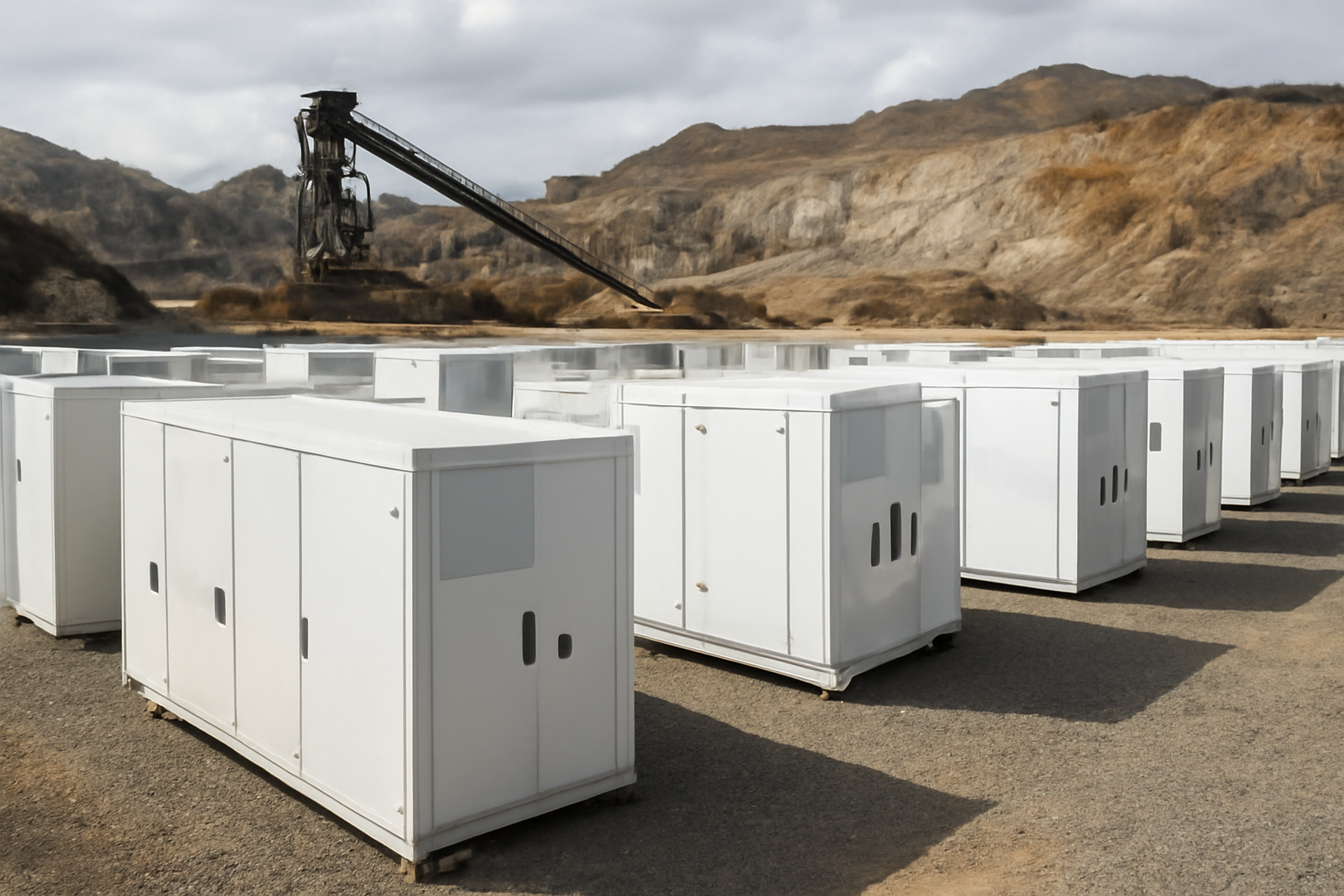
Lithium demand broadens beyond electric vehicles
The lithium industry has long been assessed primarily through the expansion of electric mobility. That framework is now becoming less complete as stationary battery storage develops into another large market for lithium-based cells. According to Wallstreet Online, this segment is emerging as a second major battery market alongside electric vehicles.
Stationary systems store electricity for later use and help balance fluctuations in power supply. Their role is therefore different from that of vehicle batteries: they remain connected to homes, businesses or electricity networks rather than powering transport. For lithium producers and battery suppliers, however, both markets draw on the same broad raw-material chain. Growth in storage can consequently add demand even when electric-vehicle conditions are less supportive.
Grid needs create a separate demand cycle
The expansion of stationary storage gives the lithium market a demand driver linked to electricity systems rather than vehicle sales alone. Storage installations can absorb power when supply is available and release it when generation falls or consumption rises. This balancing function becomes relevant wherever electricity output fluctuates, creating a commercial use for batteries that is independent of consumer decisions about buying an electric car.
That distinction matters to producers, processors and investors. A lithium market supported by two major battery applications is exposed to a broader set of investment decisions. Automakers and vehicle buyers remain important, but utilities, energy developers, industrial users and operators of storage assets can increasingly affect battery-material consumption. Traders and market analysts will therefore need to track storage deployment as well as developments in electric mobility when assessing demand.
Mining supply cannot respond immediately
The emergence of another demand pole does not mean lithium supply can expand at the same speed. New mining projects require years of lead time, Wallstreet Online noted. Deposits must be developed and projects must progress through technical, financial and operational stages before material reaches processors and battery manufacturers. This delay separates today’s investment decisions from future production.
Long lead times create a planning challenge across the value chain. Producers must decide whether future demand from both vehicles and stationary storage justifies new capacity, while processors need sufficient feedstock to support battery output. Investors must also judge whether projects can remain viable through changes in lithium-market conditions during the years before production begins.
A broader market with persistent timing risks
Stationary storage does not replace electric vehicles as a lithium-demand driver. It adds a second application with its own customers, investment logic and deployment cycle. That diversification can make lithium consumption less dependent on a single end market, while also making demand forecasting more complex.
For industry participants, the central issue is timing. Storage can create additional demand as electricity systems add balancing capacity, but mines approved in response will not deliver material immediately. If investment decisions lag the development of the battery market, supply may struggle to adjust. If expectations run ahead of actual installations, producers may commit capital before demand is established. The growth of stationary storage therefore expands lithium’s opportunity set without removing the execution and lead-time risks attached to new mining capacity.