Sri Lanka orders milling and release of 30,000 MT of state paddy stocks
Sri Lanka’s Cabinet has approved the processing of 30,000 metric tonnes of state-owned paddy into packaged rice. The programme will use registered private mills and distribute the finished product through public, cooperative and private retailers.
Cabinet authorizes release of state stocks
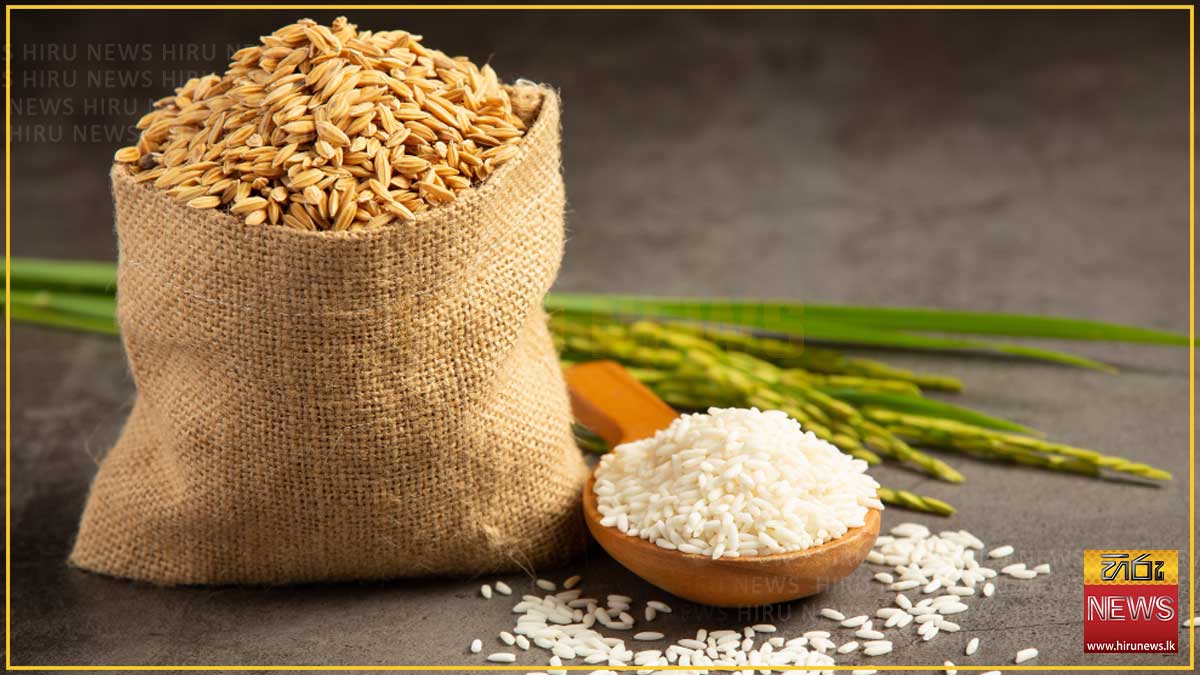
Sri Lanka’s Cabinet has approved a programme to convert 30,000 metric tonnes of paddy held by the Paddy Marketing Board into rice and release the finished product to the domestic market, the Daily Mirror reported on August 11. The measure is intended to support the government’s paddy procurement programme while maintaining an adequate supply of rice.
The decision follows a recommendation made at the 34th meeting of the Food Policy and Security Committee on July 22, 2026. Hiru News also reported that the committee had recommended milling Paddy Marketing Board stocks through the state wholesale network and releasing the resulting rice to the market.
The intervention concerns paddy rather than finished rice. The sources did not specify the milling yield, the volume of packaged rice expected from the 30,000 metric tonnes, the varieties involved or a timetable for retail sales. These details will determine the programme’s actual contribution to consumer supply.
Registered mills will process and pack the rice
The Cooperative Wholesale Trading Corporation, known as CWE, will organize processing and packaging. It will invite expressions of interest from rice mill owners registered with the Paddy Marketing Board. Participating mills will receive state paddy and return rice packed in 5 kg, 10 kg, 25 kg and 50 kg formats.
The procurement structure brings private milling capacity into a state-managed release programme. The Cabinet decision, as reported, does not identify participating companies, processing fees or the allocation of paddy among mills. It also does not state whether the rice will be released in one tranche or distributed over a longer period.
A price committee established under a Cabinet decision of December 15, 2025, has determined the paddy-to-rice conversion rate and the appropriate selling price. Its members represent the Paddy Marketing Board, CWE, Lanka Sathosa, the National Post-Harvest Management Institute and the Hector Kobbekaduwa Agricultural Research and Training Institute. The reported material did not disclose the approved conversion rate or retail price.
Distribution will combine public and private channels
The finished rice will be sold through Lanka Sathosa, cooperative outlets and private-sector sellers. Using several channels could broaden retail availability, but the market effect will depend on when the rice reaches shops, the quantity recovered after milling and the selling price set by the committee.
The Daily Mirror text placed Sri Lanka’s daily requirement at 6,000 metric tonnes and described 30,000 metric tonnes as equivalent to five days of supply. That comparison uses the gross paddy volume: because milling produces less rice than the amount of paddy processed, the finished output would represent less than five days at that stated consumption rate. No recovery ratio was provided, so a more precise estimate cannot be made from the available information.
For farmers and millers, the release is also connected to the government’s ability to manage existing inventories while continuing paddy procurement. For retailers and consumers, the central questions are the final volume, timing and price. The approved plan establishes the processing and distribution mechanism, but the disclosed information is insufficient to measure its eventual effect on market prices.