Sri Lanka launches 500 tea village clusters targeting 400 million kg of production
Sri Lanka has launched the Ceylon Tea Village 500 programme, a national initiative to establish 500 cluster tea villages. The programme targets 400 million kilograms of made tea production and US$2.5 billion in export earnings.
National programme begins in Nuwara Eliya
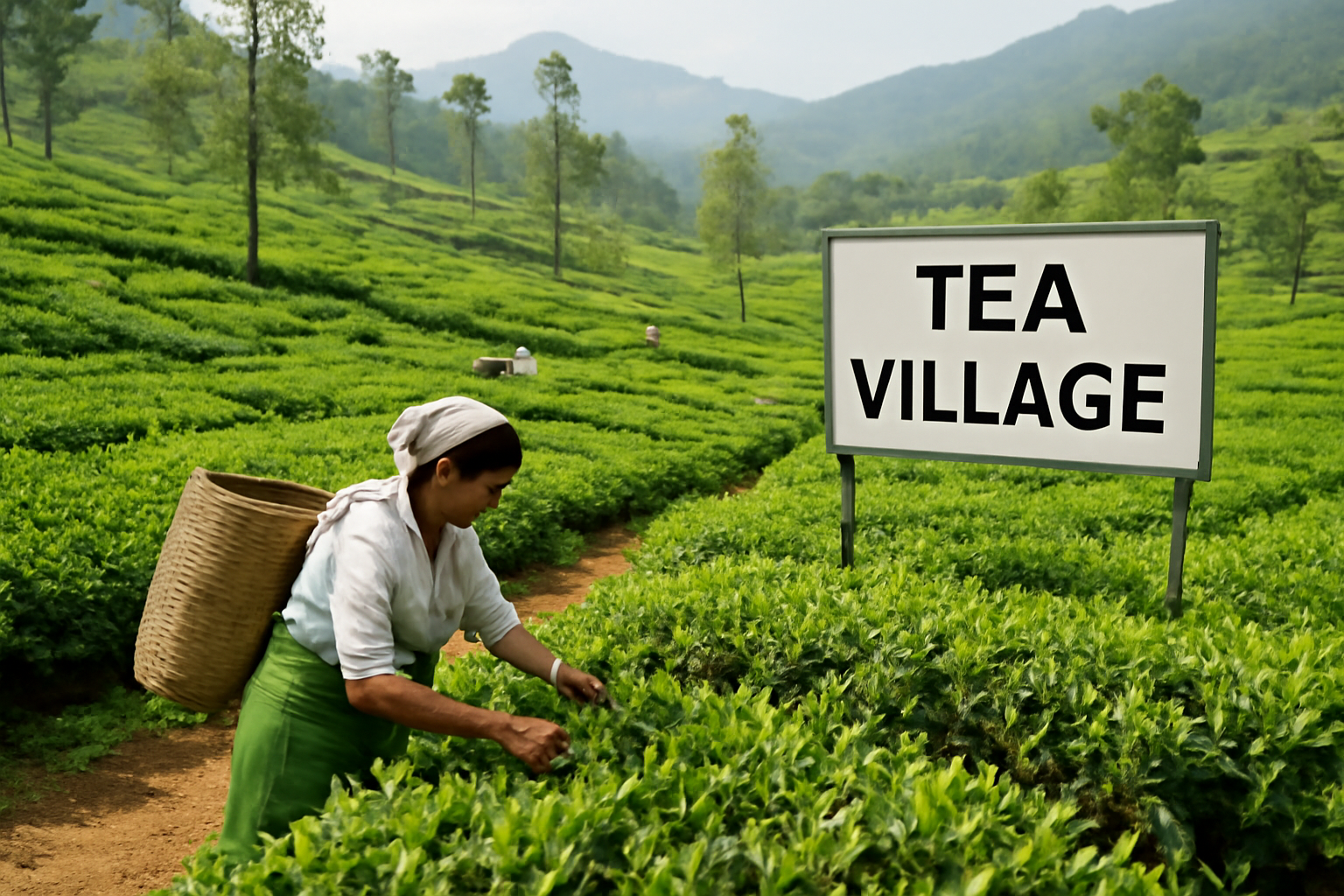
Sri Lanka has launched the Ceylon Tea Village 500 National Programme, a nationwide initiative designed to support the growth of the country’s tea industry. The rollout began on Wednesday at Halgolla, in the Kotmale Divisional Secretariat of Nuwara Eliya, one of the locations associated with Sri Lanka’s tea-producing economy.
The programme calls for the establishment of 500 cluster tea villages across the country. Its stated production target is 400 million kilograms of made tea, while the export earnings objective is US$2.5 billion. These figures define the scale of the initiative, but the available programme information does not specify a deadline for reaching either target.
The cluster model places villages, rather than a single factory or estate, at the centre of the programme. For growers and processors, the commercial importance of the rollout will depend on how the 500 clusters are organised and how effectively additional leaf production can be converted into made tea. Details about funding, village selection, processing capacity and the timetable for subsequent launches have not been provided.
Production and export goals must advance together
The two headline targets connect domestic output with overseas revenue. Raising made tea production to 400 million kilograms would require sufficient cultivation and processing activity across the participating villages. Reaching US$2.5 billion in export earnings would also depend on how the resulting tea is positioned and sold, because a higher volume alone does not determine export revenue.
This distinction matters to producers, processors and exporters. Growers need a reliable route from harvested leaf to processing, while factories need enough suitable throughput to use their capacity. Exporters, in turn, need products and sales channels capable of translating additional production into earnings. The national scale of the programme creates an opportunity to coordinate these parts of the supply chain, although the operational arrangements have yet to be disclosed.
The launch in Halgolla gives the programme a starting point, but its industry impact will be measured through implementation across all 500 proposed villages. Market participants will be watching the pace at which clusters are established, the amount of made tea they contribute and whether export earnings rise alongside production. Until milestones and a schedule are announced, the targets of 400 million kilograms and US$2.5 billion should be treated as programme objectives rather than completed or forecast results.