Sri Lanka launches 250 king coconut villages to expand production and exports
Sri Lanka plans to establish 250 dedicated king coconut villages by 2028, combining new planting, tree rehabilitation and village-level processing. The program targets 25 million additional nuts annually by 2030 and more than US$12 million in additional export earnings.
National program sets phased expansion
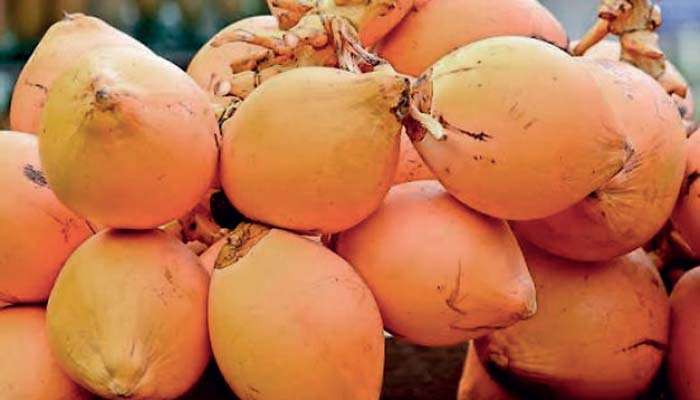
Sri Lanka has launched a national program to establish 250 “Ceylon King Coconut Villages” as it seeks to expand production, processing and exports of one of the country’s distinctive agricultural products. The initiative was unveiled on September 2, alongside World Coconut Day, at the Coconut Cultivation Board’s Mahayaya Estate in Kurunegala, according to Sri Lanka Mirror.
The villages are scheduled to be developed in three stages through 2028. The plan calls for 75 villages in 2026, another 80 in 2027 and the remaining 95 in 2028. This timetable gives growers, collectors and processors a defined production pipeline while spreading implementation across several cultivation cycles.
The program involves planting 212,500 new king coconut plants and rehabilitating about 221,500 existing trees. One micro-processing facility is also planned for each village, creating a network of 250 small processing units. The combination of orchard investment and local processing is intended to increase available volumes while improving the industry’s ability to handle products closer to cultivation areas.
Harvest and export targets
Officials expect the initiative to raise Sri Lanka’s annual king coconut harvest by 25 million nuts by 2030. Export earnings from king coconut and related products are targeted to increase by more than US$12 million. The targets cover both the primary crop and processed products, making processing capacity an important part of the program rather than an addition to the cultivation plan.
Daily FT has reported that Sri Lanka is positioning the industry to pursue a larger share of a global market valued at US$10 billion. The national program does not specify what share Sri Lanka expects to capture, but its production and revenue targets indicate an effort to create a more consistent commercial supply for overseas buyers.
About 21,250 growers are expected to benefit. The authorities also plan to establish a formal data and marketing system linking growers, collectors and exporters. Such a system could give participants clearer information on available volumes and strengthen coordination between fragmented farms, domestic intermediaries and export companies.
Subsidies support the 2026 phase
For the 2026 component, the government plans to provide financial assistance of Rs. 700 per existing tree for fertiliser and mulching, covering 20,300 trees. Growers will also be offered 37,500 new king coconut plants at a subsidised price of Rs. 150 each. These measures address both the recovery of current productive assets and the establishment of future supply.
At the launch, growers received subsidy cheques, king coconut and conventional coconut plants, whitefly-control equipment and agricultural machinery. Certificates were also presented to cultivators and exporters. The program’s commercial impact will ultimately depend on tree survival, rehabilitation results, the operation of the planned processing facilities and exporters’ ability to turn higher output into sustained overseas sales.