Sri Lanka’s June tea output rises 4%, but first-half production remains under pressure
Sri Lanka’s tea production increased 4% year on year in June, supported by a sharp recovery in the high-grown sector. First-half 2026 output remained constrained by extreme weather, high fertiliser costs and continued weakness in the low-grown region, the country’s largest producing segment.
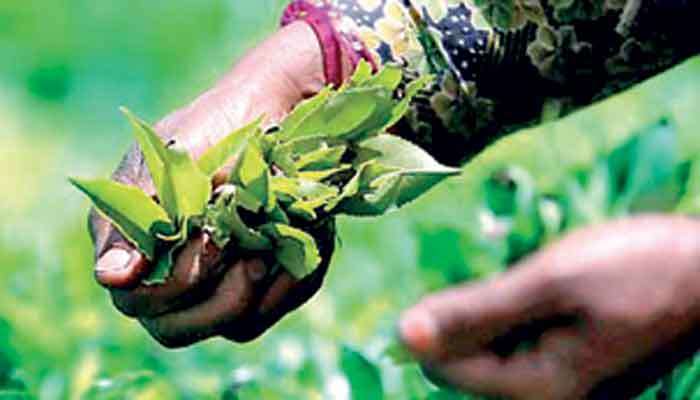
June production returns to growth
Sri Lanka’s tea production increased 4% year on year in June, marking a recovery after pressure on the crop earlier in 2026. According to the Daily FT, the improvement was not enough to reverse the weakness recorded during the first half of the year, when extreme weather and high fertiliser costs continued to affect output.
The national increase was led by a sharp recovery in high-grown tea, the Daily Mirror reported. High-grown estates therefore provided the main support to June production, while performance remained uneven across Sri Lanka’s principal cultivation regions. The latest figures show that the country’s tea sector is recovering at different speeds depending on elevation and growing area.
Low-grown weakness limits the rebound
The main constraint is the low-grown segment, which accounts for nearly 60% of Sri Lanka’s total tea production. The Daily Mirror said persistent weakness in this region held back the broader recovery, despite the stronger contribution from high-grown estates. Because low-grown tea represents the largest share of national supply, sustained underperformance there has a greater effect on the aggregate crop than gains in smaller producing segments.
This imbalance matters for processors and exporters as well as growers. A national increase driven mainly by high-grown estates may improve the availability of teas from those areas, but it does not by itself restore volumes across the full range of Sri Lankan production. Buyers whose requirements depend on low-grown supply remain exposed to tighter availability if that region continues to lag.
Weather and input costs weigh on the first half
Extreme weather was among the factors that reduced production during the first half of 2026, according to the Daily FT. Adverse conditions can affect leaf growth, harvesting schedules and the volume delivered to factories. The June improvement indicates that production can recover when conditions become more supportive, but one month of year-on-year growth does not eliminate the losses or disruptions accumulated earlier in the year.
High fertiliser costs added another source of pressure. For estates and smallholders, expensive inputs can limit application rates or raise the cost of maintaining yields. The effect is particularly significant when weather has already weakened crop performance, because producers face higher expenditure without certainty that harvested volumes will compensate for it.
Market focus shifts to the low-grown crop
The June data offer a positive signal for Sri Lanka’s tea industry, but the composition of the increase remains critical. A high-grown-led rebound cannot produce a broad national recovery unless the low-grown region, responsible for nearly three-fifths of output, also improves. Its performance will determine whether June represents the beginning of a sustained recovery or only a temporary rise within a difficult year.
Producers will be watching weather conditions and fertiliser affordability, while factories, traders and exporters will assess whether incoming leaf volumes become more consistent. For the market, the central issue is no longer simply whether national output is growing year on year. It is whether growth extends to the country’s largest producing region and becomes strong enough to relieve the pressure visible across the first half of 2026.