Spanish Rice Growers Warn High Costs and Imports Could Push New Harvest Into Loss
Spanish rice growers are entering the harvest with rising diesel and input costs while farmgate prices are expected to decline. Unió de Pagesos says cheaper rice from Southeast Asia and Mercosur countries, delayed support and restrictions on crop-protection products are further weakening margins.
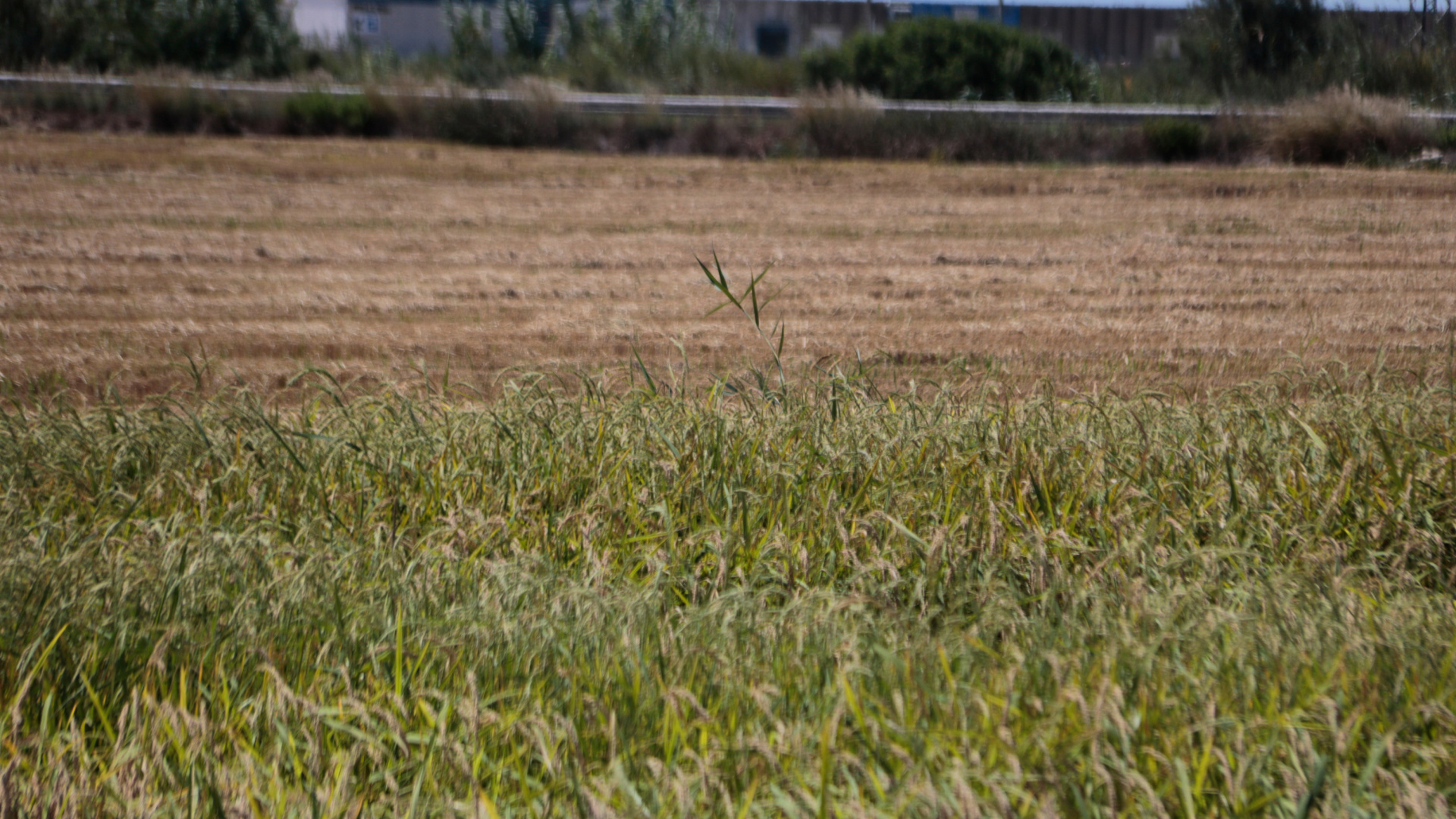
Harvest begins under margin pressure
Rice growers in Catalonia and other Spanish producing regions have begun the new harvest amid warnings that high production costs and weakening farmgate prices could leave farms operating at a loss. The immediate concern is the harvest of bomba rice, a variety closely associated with Spanish cuisine and domestic production. Josep Antoni Vidal, head of the rice sector at the farmers’ union Unió de Pagesos, told COPE Catalunya that the current campaign could become unviable unless measures are taken to improve operating conditions.
According to Vidal, higher diesel prices and more expensive agricultural supplies have raised the cost base beyond what growers expect to recover from crop sales. At the same time, anticipated farmgate prices are moving downward. He said farms are nowhere near covering their costs, creating a difficult commercial position before the full harvest has reached processors and buyers. The combination matters across the supply chain: growers have less room to absorb agronomic setbacks, while processors retain access to lower-priced alternatives outside the European Union.
Imported supply adds to price competition
Unió de Pagesos identifies imported rice as a major source of pressure on the Spanish and wider EU market. Vidal pointed to shipments from Southeast Asia and supplies linked to trade arrangements with Mercosur countries. He argued that these products can enter at lower prices because producers outside Europe operate under different standards. COPE reported that, in the union’s assessment, the availability of inexpensive foreign rice encourages processors to purchase outside Europe and contributes to lower domestic prices.
The source did not provide import volumes, price differentials or production forecasts for the campaign. It therefore remains unclear how much of the expected fall in farmgate prices is directly attributable to foreign supply. Nevertheless, the union’s warning highlights the exposure of Spanish growers when high domestic compliance and production expenses coincide with cheaper imported raw material. For processors and traders, imports expand procurement options; for local farmers, they reduce bargaining power at a time when fuel and other inputs are already squeezing margins.
Support payments and crop protection under scrutiny
Vidal also criticized the calculation and timing of agricultural support and compensation payments connected to the EU Common Agricultural Policy. He said subsidy calculations were established three years ago using economic assumptions that no longer reflect current farm conditions and have not been updated for inflation. In the union’s view, this gap means public support is failing to offset the increase in operating expenses, leaving some farms facing direct losses during the current season.
Regulatory constraints form a second production risk. Unió de Pagesos says authorities are withdrawing essential crop-protection products used against weeds and pests without making effective, commercially viable alternatives available. Growers have consequently been testing new rice varieties to address weed resistance in paddies, but Vidal warned that these seeds have not been sufficiently tested under local conditions. Introducing them without reliable evidence of agronomic performance could add yield and quality uncertainty to an already weak financial outlook.
Longer-term implications for Spanish production
The dispute extends beyond the results of one harvest. Vidal said falling profitability, regulatory obstacles and unstable market conditions are discouraging younger people from entering agriculture, livestock production and fishing. He called for fair prices and greater market stability to protect domestic producers from international commercial fluctuations. The union also linked the issue to food sovereignty and the continued economic management of rural territory.
For the Spanish rice industry, the campaign will test whether growers can pass any portion of their higher costs through to buyers while competing with lower-priced supply from outside the EU. Without updated support, workable crop-protection alternatives or firmer farmgate prices, producers may have to reassess planting and investment decisions. Processors, meanwhile, must balance inexpensive international sourcing against the availability and continuity of locally grown varieties such as bomba rice.