Spanish rice growers seek suspension of EU trade preferences for Myanmar
La Unión Extremadura has called for the immediate suspension of the EU’s preferential trade arrangement with Myanmar. The farm group says duty-free rice enters Europe at less than half the cost of EU production, depressing producer prices and cultivated area.
Farm group calls for immediate suspension
Spanish farm organization La Unión Extremadura has asked the European Commission and Spain’s Ministry of Agriculture to suspend immediately the European Union’s preferential trade arrangement with Myanmar. It argues that low-priced rice imports are undermining European producer prices and that Myanmar is not meeting the objectives that supported the original grant of trade preferences.
Myanmar has access to the EU market through the Generalised Scheme of Preferences and its Everything But Arms, or EBA, arrangement. The system gives eligible countries duty-free and quota-free access for almost all products. La Unión says the resulting conditions have exposed EU rice growers to competition from production systems with substantially lower costs.
Imports compared with Spain’s production
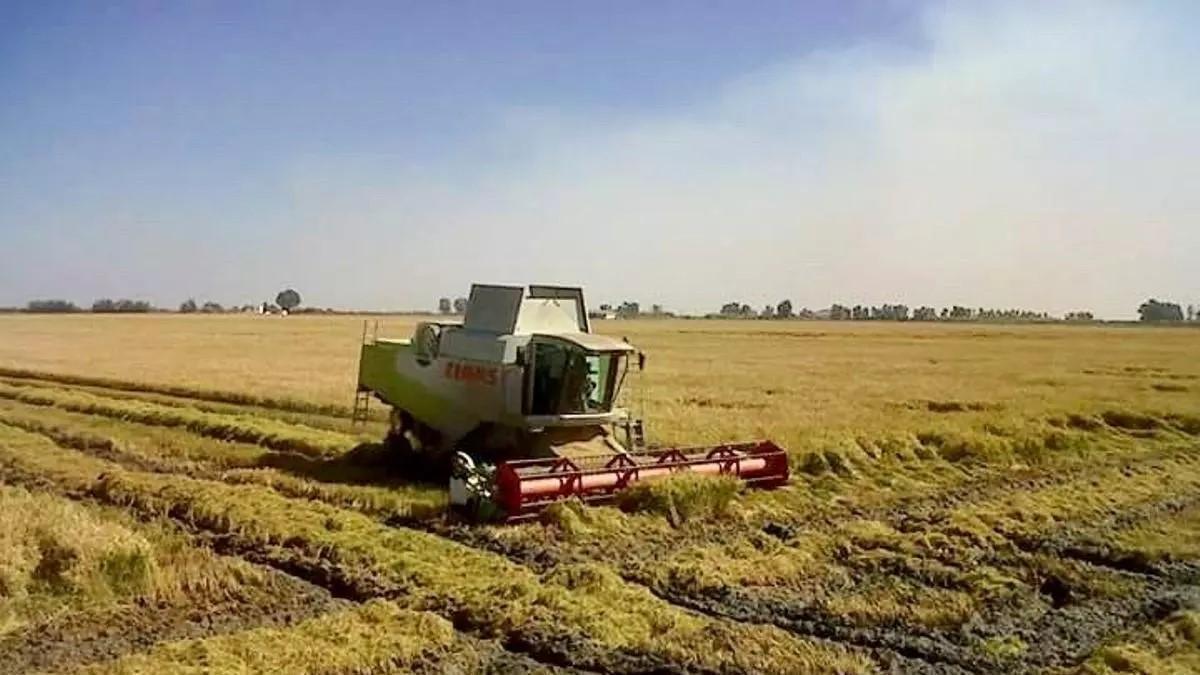
According to figures provided by La Unión, imports from Myanmar reached 690 million kilos of white rice in 2024. The organization said this volume was comparable with the entire output from Spain’s rice-growing area. It also claimed that differences in production conditions allow Myanmar rice to enter the European market at a price below 50% of the cost borne by EU farmers.
The organization linked these imports to a continuing decline in the prices received by European producers. It also said growers have reduced the area planted with rice because the crop is no longer sufficiently profitable. The dispute therefore concerns both current farm income and Europe’s future production capacity: a prolonged loss of acreage could leave processors and buyers with a smaller regional supply base.
Trade policy meets human-rights dispute
La Unión said the preferences were intended to support economic development and raise incomes in countries such as Myanmar, subject to commitments on human rights. The group argues that Myanmar’s military government has failed to meet that condition, citing atrocities against the Rohingya population. It maintains that the arrangement is neither protecting European growers nor achieving its stated political objectives.
The issue has already been raised with the European Commission by members of the European Parliament Diana Riba of ERC and Vicent Marzà of Compromís. Brussels defended the continued preferences on the grounds that they help reduce poverty and that withdrawal could harm Myanmar’s most vulnerable people. The Commission also said the military junta’s economic gains from EBA were limited and that it regularly monitors conditions in the country.
Commission faces competing risks
La Unión rejected that response and called on both Brussels and Madrid to act. Its demand would require policymakers to balance the commercial pressure reported by European rice growers against the potential social impact of withdrawing market access from Myanmar. The source material does not indicate that the Commission or Spain’s Agriculture Ministry has agreed to suspend the arrangement.
For rice producers, traders and processors, the immediate question is whether the complaint leads to a formal review or protective action. Until policy changes, Myanmar retains duty-free and quota-free access under EBA, while European growers remain exposed to imported rice that La Unión says is priced at less than half their production cost.