Spanish olive oil recovery pushes wholesale prices down and revives global demand
Spain’s latest olive oil harvest is estimated at 1.3 million tonnes, 17% above the average of the previous four campaigns. The supply recovery has brought Spanish extra virgin olive oil wholesale prices down to about €4 per kilogram from more than €9 in January 2024.
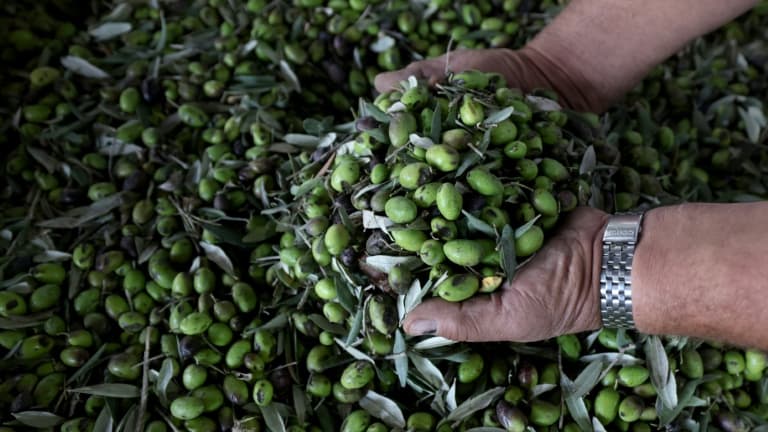
Spanish harvest restores supply
The olive oil market is stabilizing after drought reduced harvests and drove prices to exceptional levels between 2022 and 2024. BFM TV reports that recovering production has substantially increased availability, lowered prices for consumers and supported a rebound in global demand.
Spain, which accounts for about 40% of world olive oil production, remains central to the change. Its latest harvest is officially estimated at 1.3 million tonnes, 17% above the average of the previous four campaigns. That recovery has given processors, bottlers and traders more supply after several difficult seasons.
Spanish wholesale prices for extra virgin olive oil now stand at about €4 per kilogram, compared with more than €9 per kilogram in January 2024. Prices had already fallen by more than half from that peak by the end of 2025 as supply improved. A similar decline was recorded in Greece.
Tunisia adds volume to the global market
Spain is not the only producer benefiting from a stronger harvest. Abundant rainfall in Tunisia supported a record crop of more than 400,000 tonnes. The country could become the world’s second-largest producer in the 2025/26 season, with 13% of total output.
The additional Tunisian volume broadens the supply recovery beyond the European Union and creates more options for international buyers. For exporters and bulk traders, the combination of stronger Spanish and Tunisian production means greater product availability and less pressure on procurement costs than during the drought-driven shortage.
Global production is consequently expected to be substantially higher than during the crisis years. At the end of 2025, the UN Food and Agriculture Organization anticipated that olive oil trade could reach a record in 2026. Lower wholesale prices are making consumption more accessible again, supporting purchases that had been constrained by the earlier price surge.
Climate risk remains embedded in prices
The immediate supply picture has improved, but olive production remains highly exposed to weather. An analysis published by the European Central Bank in 2025 warned that heat extremes can disrupt harvests and supply chains, raising food prices and inflation over the medium term.
Using olive oil as one of its examples, the ECB estimated that the 2022 drought added about 0.7 percentage point to European food inflation. The institution warned that climate-related price increases could become more pronounced in the future. For growers, processors and importers, the current decline therefore offers relief rather than certainty: stocks and trade may rebuild, but another severe weather shock could tighten the market again.