Spanish Mandarin Imports Rise 13% as Egyptian Shipments Surge During Citrus Campaign
Spain’s mandarin imports reached a record during its own citrus campaign, increasing 13% as Egyptian shipments surged. The rise coincided with weaker Spanish citrus exports and a growing presence of fruit supplied by countries outside the domestic market.
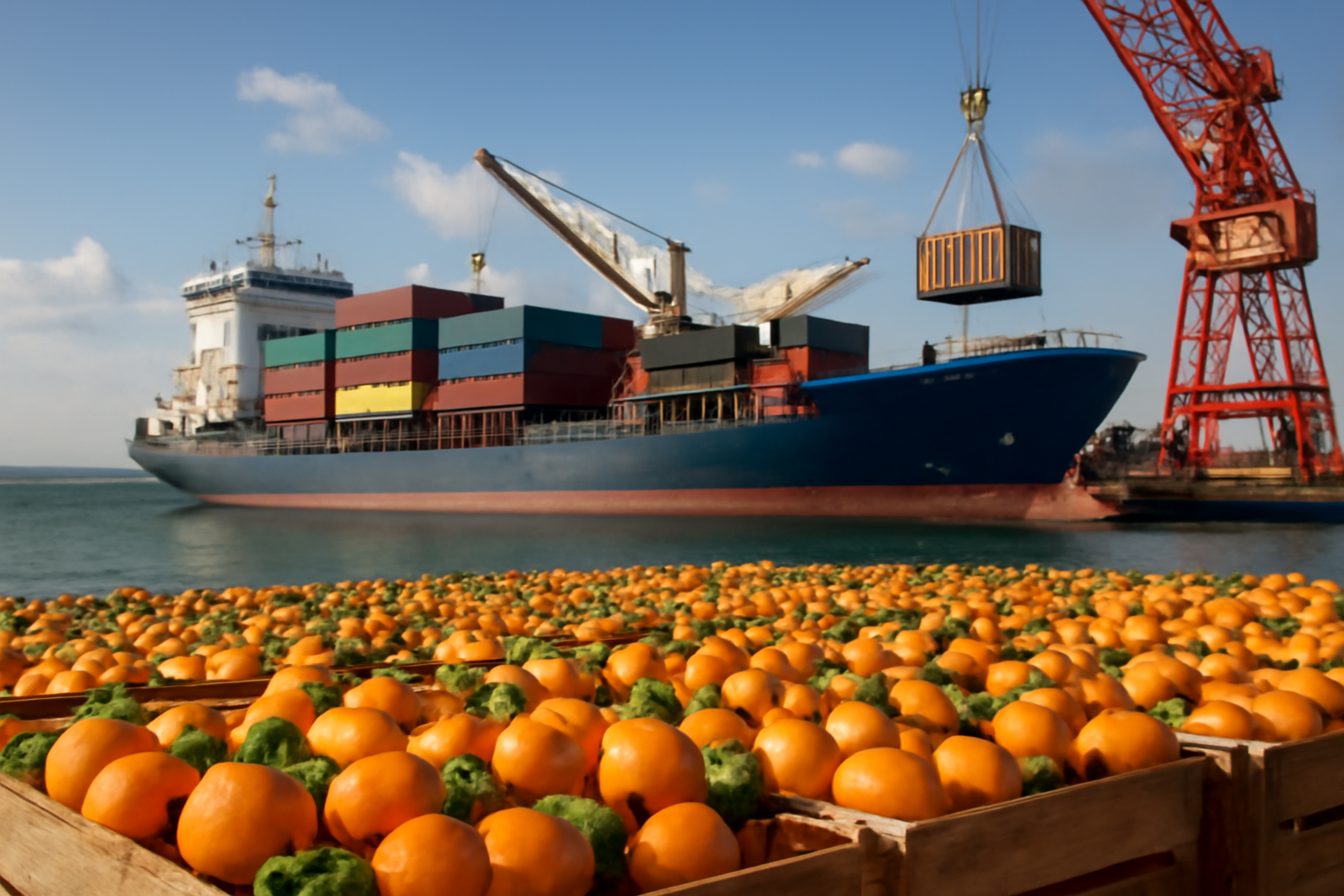
Imports rise during Spain’s domestic campaign
Spain’s mandarin imports increased 13% and reached a record during the country’s own citrus campaign, highlighting stronger competition for domestic fruit while Spanish growers and packers were marketing their crop. Egyptian suppliers recorded a particularly sharp increase in shipments, according to the available campaign assessment.
The timing is commercially significant. Imports arriving during the Spanish season compete for buyers, shelf space and processing demand at a point when local producers need to place harvested fruit. The figures provided do not specify import volumes, prices or Egypt’s exact market share, but the 13% increase indicates that foreign mandarins gained ground even while domestic supply was available.
Egypt expands as Spanish exports weaken
The increase in imports coincided with a decline in Spanish citrus exports during the latest campaign. These two movements put pressure on different sides of the Spanish supply chain: exporters faced weaker sales abroad, while growers, cooperatives and packing companies encountered more imported fruit in their home market.
Egypt’s expanding shipments are central to that change. A surge from one origin can alter purchasing options for retailers and wholesalers, particularly when buyers can compare fruit from several suppliers during overlapping marketing windows. For Spanish operators, the relevant issue is not only the annual amount imported but also when consignments reach the market and which commercial channels absorb them.
The source material does not provide a breakdown by destination, variety or month, so it is not possible to determine whether the export decline and import growth affected every citrus segment equally. Mandarins are the identified import category, while the reported export contraction covers Spanish citrus more broadly. The figures should therefore not be treated as a direct one-for-one replacement of Spanish mandarins by Egyptian fruit.
Third-country fruit gains a larger role
The campaign balance nevertheless shows that fruit from third countries is taking more space in Spain’s citrus market. That matters for producers deciding how much fruit to harvest and pack, for traders managing supply programmes and for processors assessing available raw material. Import growth may broaden sourcing options for buyers, but it also raises competitive pressure when domestic exports are losing momentum.
For market participants, the next campaign will make the timing of supply especially important. Spanish exporters will need to monitor whether weaker overseas sales persist, while domestic sellers will watch whether Egyptian shipments continue to expand during Spain’s production window. Without volume and price data, the impact on farm returns cannot be quantified, but the combination of record imports, a 13% increase and falling exports points to a more contested market for Spanish citrus businesses.