Spanish citrus group challenges Dutch role in surge of South African imports
Ailimpo says the Netherlands’ role as the EU’s main gateway for South African citrus is contributing to oversupply and pressure on European growers. The Spanish association is calling for EU action after record lemon imports in 2026 complicated the start of Europe’s season.
Dutch ports dominate EU citrus entry
Spain’s Lemon and Grapefruit Interbranch Association, Ailimpo, has called on the European Union to review the way citrus from South Africa and other third countries enters and is redistributed across the bloc. The association argues that the Netherlands’ import and re-export model is creating imbalances when Southern Hemisphere supplies overlap with European production, leaving growers—particularly in Spain—to absorb the financial consequences of oversupply.
According to figures cited by Valencia Fruits, the EU imported more than 2.34 million tonnes of oranges, lemons, grapefruit, mandarins and limes during the 2024/25 season. More than 1.32 million tonnes, or approximately 57%, entered through Dutch ports. The Netherlands’ port infrastructure and logistics network have made the country a leading entry point for citrus that is subsequently sold into other member states rather than consumed domestically.
South African supply is concentrated in the Netherlands
South Africa accounted for 1.05 million tonnes of EU citrus imports in the same season, according to Ailimpo. Of that volume, 692,000 tonnes, or 66%, arrived through Dutch ports. The association says this concentration creates commercial and reputational risks for South African suppliers while giving Dutch importers, intermediaries and logistics providers a central position in the European market.
Ailimpo distinguishes the Dutch model, which it describes as heavily dependent on consignment sales and the spot market, from planned supply programmes used by importers and supermarkets in Spain, France and Italy. Those programmes are intended to cover European consumption during the off-season and give preference to EU fruit when local production becomes available. By contrast, Ailimpo says large spot-market volumes can collide with the European harvest, build inventories and push quotations lower. It maintains that this pressure can eventually reduce returns for growers in both Europe and supplying countries such as South Africa and Egypt.
Record lemon volumes raise pressure before EU season
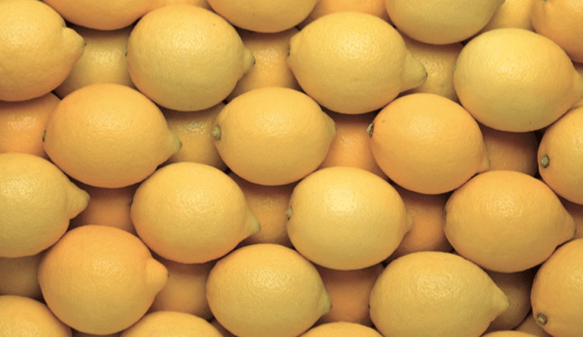
The association points to the summer of 2026 as evidence that the system requires a political response. In the current 2025/26 season through 20 August, the EU imported 448,000 tonnes of lemons from third countries. The Netherlands handled 231,000 tonnes, equivalent to 52% of the total, with most of the fruit originating in South Africa. Ailimpo describes the volume as a record and says it exceeded market requirements, created substantial stocks and made the opening of Europe’s lemon campaign more difficult.
Ailimpo further alleges that some South African lemons had remained in Dutch ports for several weeks, were of poor quality and were subsequently offered at clearance prices under a consignment-based business model. These quality and pricing assertions come from the industry association. Its broader demand is not a ban on imports, but EU rules that reconcile year-round citrus availability and free circulation with responsible management of incoming volumes, product quality and phytosanitary safeguards. The association wants policymakers to examine whether the current system is consistent with the EU’s economic, social and environmental sustainability objectives. For growers, importers and retailers, the central issue is timing: imported fruit can support consumption outside the European season, but accumulated stocks at the start of domestic harvesting can transfer price risk directly to producers.