Spanish cement industry recovered 3.9 million tonnes of waste in 2024
Spanish cement plants used 2.8 million tonnes of recycled raw materials and 1.1 million tonnes of alternative fuels in 2024. Waste-derived fuels supplied a record 42.4% of sector fuel consumption, but Spain remained below the 58% EU average.
Waste replaces raw materials and fossil fuels
Spain’s cement industry recovered 3.9 million tonnes of waste in 2024, using the material as an input for clinker production and as an alternative to fossil fuels. According to Residuos Profesional, citing the Circular Economy Observatory for the Cement Industry, plants consumed 2.8 million tonnes of recycled raw materials and 1.1 million tonnes of waste-derived fuels during the year.
The observatory is operated by the Cement and Environment Labour Foundation, Fundación CEMA, in collaboration with Institut Cerdà. Its latest update marks 20 years of monitoring waste use in Spain’s cement industry, with data covering the period from 2004 to 2024.
Recycled materials accounted for 11.4% of all raw materials used by the sector in 2024. That share increased by nearly three percentage points from 2023. The materials incorporated into clinker production included blast-furnace slag, fly ash and other mineral by-products generated by industrial activities.
Using these secondary materials reduces demand for virgin natural resources while providing an outlet for industrial waste streams capable of partly replacing conventional cement inputs. Since the observatory’s series began, Spanish producers have consumed nearly 58 million tonnes of waste-derived materials as substitutes for raw materials.
Alternative fuel share reaches a record
The replacement of fossil fuels also reached its highest level in the historical series. Cement plants consumed 1.1 million tonnes of fuels derived from waste in 2024, equivalent to 42.4% of the sector’s total fuel use.
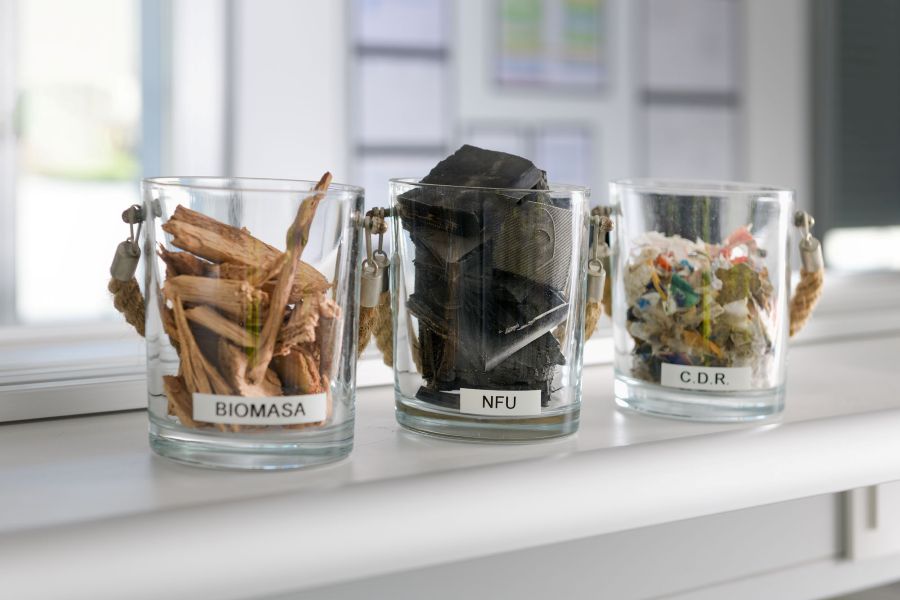
Facilities authorised to consume alternative fuels may use as many as 77 types of waste. Frequently used streams include refuse-derived fuel, biomass, end-of-life tyres and dried sewage sludge. These materials allow plants to reduce fossil-fuel consumption while recovering energy from waste that cannot necessarily be recycled into new products.
Despite the record, Spain remained behind the European Union average. Alternative fuels represented 58% of cement-sector fuel consumption across the EU, while substitution rates exceeded 70% in Austria, Germany, Switzerland and Norway. The figures indicate that Spanish plants have room to increase waste-based energy use if sufficient suitable material is diverted from landfill and regulatory conditions permit its use.
Landfill rates remain an obstacle
Fundación CEMA identified the disposal of non-recyclable materials that still have energy-recovery potential as a major barrier. It also called for more consistent regulatory and administrative criteria among Spain’s autonomous communities to facilitate the management and use of these waste streams.
Spain sends 47% of its municipal waste to landfill, compared with an EU average of 23%, according to figures released by Fundación CEMA. Landfill rates are below 10% in Germany, the Netherlands, Sweden and Denmark. This gap limits the volumes available for material and energy recovery and shows how waste policy can affect cement producers’ access to alternative inputs.
Across the 20 years covered by the observatory, Spain’s cement industry incorporated nearly 73 million tonnes of waste-derived materials into its processes. Approximately 58 million tonnes replaced raw materials and another 15 million tonnes served as alternative fuels. The observatory also tracks indicators by autonomous community and waste type, alongside national and European regulation. Its 2024 update shows continued growth in waste use, but also a persistent gap between Spain and several European markets in landfill reduction and the recovery of non-recyclable materials.